
In the context of increasingly fierce global competition, strong supply chain restructuring and a new industrial revolution reshaping the world economy, the 14th National Congress (Congress XIV) of the Communist Party of Vietnam is expected to establish breakthrough policies for the country's long-term development process.
Talking to a VNA reporter in Paris, Professor Nguyen Van Phu, Research Director at the French National Center for Scientific Research (CNRS), said that the economic orientations set out at the 14th Congress mark an "important strategic shift" to build a sustainable and high-quality growth foundation for Vietnam in the coming period.
According to Professor Nguyen Van Phu, the focus of the economic orientations at the 14th Congress is to innovate the growth model, shifting from dependence on cheap labor, exploiting raw materials and attracting foreign direct investment (FDI) in quantity to a model of development based on knowledge, high technology, innovation and labor productivity.
In which, the private economic sector is identified as the central driving force of growth, along with strong investment in education, science and technology, digital transformation and building a national innovation ecosystem.
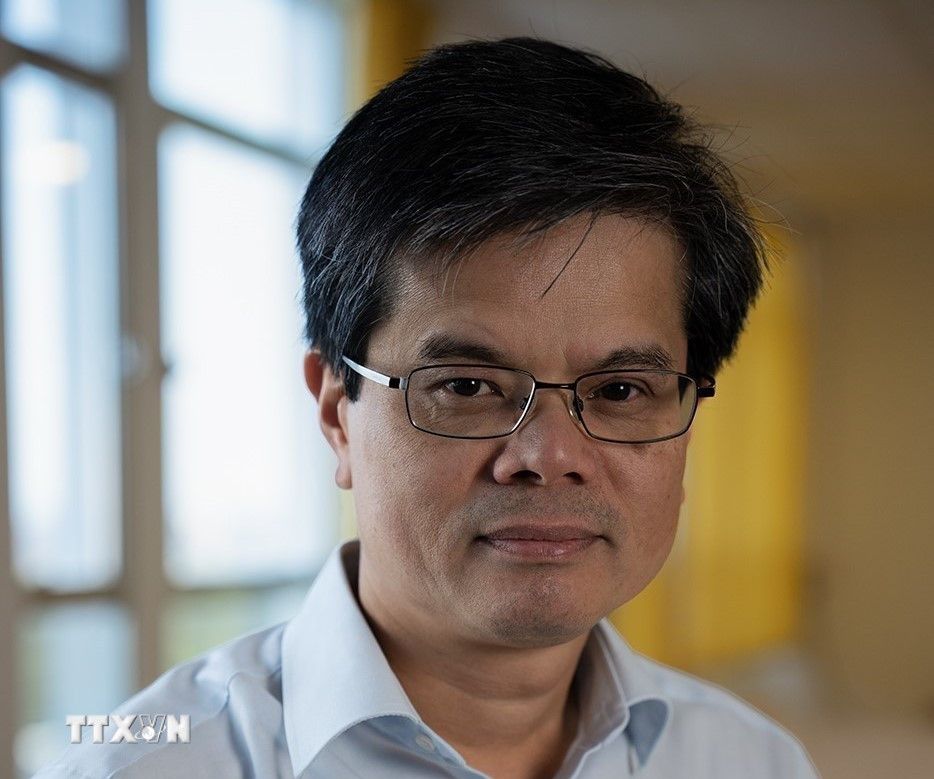
He emphasized that this is the "key" for Vietnam to avoid falling into the middle-income trap or the middle-growth trap, a situation where growth only maintains at 6-7% for a long time without being able to break through to higher development ladders.
From research practice, Professor Nguyen Van Phu believes that if productivity and growth quality are not strongly improved, Vietnam will find it difficult to consolidate the long-term development foundation, despite the remarkable achievements in the past period.
Reality shows that although Vietnam maintains a growth rate of 7-8% per year and reached 27.62 billion USD of FDI capital disbursed in 2025, the highest level in the last 5 years, the economy is still heavily dependent on the FDI sector, with about 70% of export turnover coming from this business sector.
Meanwhile, domestic enterprises are still limited in capital, technology and management capacity. Competition in the region is increasingly fierce as economies such as India, Indonesia, Thailand and Malaysia are promoting high-quality FDI attraction into strategic sectors such as semiconductor, data centers, electric vehicles and green economy with very drastic preferential policies.
According to Professor Nguyen Van Phu, in that context, the messages of the 14th Congress need to emphasize a selective and upgraded development strategy.
First of all, selective FDI attraction, prioritizing projects associated with technology transfer, innovation and close links with the "Make in Vietnam" orientation.
Along with that is strong institutional reform, reducing administrative procedures, increasing transparency, and improving reliability in policy planning and forecasting. Supporting the private economic sector to form "leading enterprises" with regional and global competitiveness is also considered by him as a key task.
At the same time, it is necessary to focus on developing strategic industries such as semiconductor, artificial intelligence (AI), biotechnology, healthcare, digital economy, green economy, along with clean and high-quality agriculture.
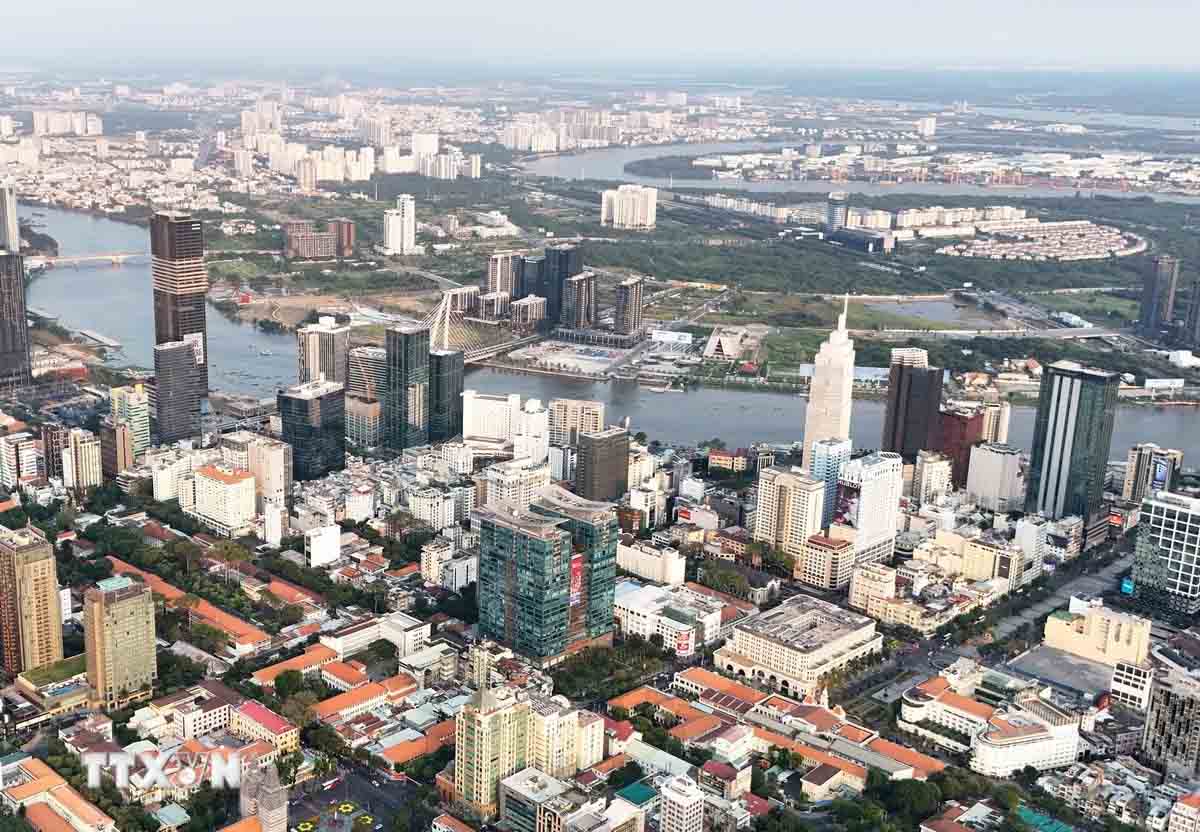
Professor Nguyen Van Phu especially noted a new highlight in the development orientation, which is the strategy of attracting non-FDI financial capital through the construction of the International Finance Center (IFC) in Ho Chi Minh City and Da Nang City.
Although the initial scale is still modest, this "one center - two destinations" model is expected to diversify capital sources for the economy, reduce dependence on bank credit and traditional FDI, and promote digital transformation and green transformation.
According to the orientation, Ho Chi Minh City is identified as a financial, banking and capital market transaction center, with the goal of attracting 5-20 billion USD of initial financial capital by 2027, while Da Nang focuses on developing financial technology (fintech), startups (start-up), technology investment funds and green finance.
Professor Nguyen Van Phu believes that if effectively implemented, these IFCs can attract 10-15 billion USD of financial capital flows each year by 2030, thereby contributing more to GDP through more efficient capital allocation and reducing transaction costs.
However, he also noted that Vietnam will have to compete directly with IFCs that have developed very strongly such as Singapore and Hong Kong (China), while the domestic capital market is still limited in scale, liquidity and high-quality financial human resources.
Overall, the orientations of the 14th Congress are in the right direction and necessary, but success depends on the decision on the ability to implement quickly, consistently and substantively. Vietnam is no longer a "default cheap option".
To maintain its position in the leading group of the Association of Southeast Asian Nations (ASEAN), Vietnam must compete with institutional quality, innovation and policy credibility.
2026 is therefore pivotal: if reforms are promoted, Vietnam can strengthen its role as a new manufacturing-financial center of the region; otherwise, the risk of stagnating in the middle-income trap and gradually losing its advantage over India or Indonesia is completely present.
Discussing the improvement of institutions and the investment and business environment, Professor Nguyen Van Phu highly appreciated the fact that the draft documents submitted to the 14th Congress initially identified the private economy as the "most important driving force" of the economy, and at the same time considered institutional improvement as the key to removing development bottlenecks.
However, he believes that to create trust and real motivation for the business community, including businesses and Vietnamese investors abroad, it is necessary to focus on removing some key bottlenecks.
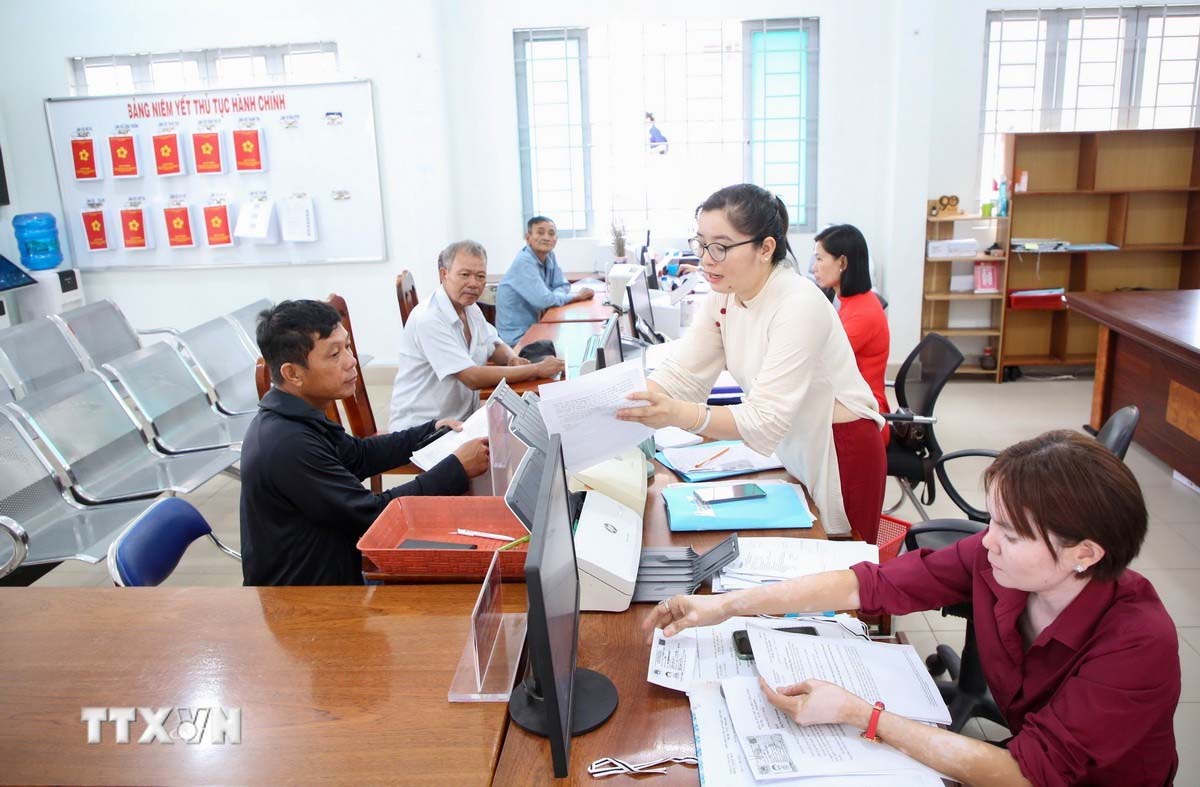
Administrative reform needs to be implemented in a substantive way, because procedures are still complex, unstable and unclear, which is increasing costs and risks for businesses.
Promoting digitalization according to the "one-stop shop" model, significantly shortening the project approval time will help businesses focus on production and innovation, while creating trust for foreign entrepreneurs and overseas Vietnamese who are familiar with an efficient and stable business environment.
In addition, increasing transparency and ensuring fair competition in access to land, credit and resources is considered a prerequisite for unlocking resources for the private economic sector and attracting capital, technology and knowledge from outside.
Completing the mechanism for monitoring and protecting ownership and intellectual property according to international standards will unlock resources, reduce risks for investors and create conditions for the formation of large-scale private enterprises. This is also a key factor to attract capital, technology and knowledge from abroad and overseas Vietnamese.
Professor Nguyen Van Phu also emphasized the requirement to improve access to capital and promote innovation, especially for small and medium-sized enterprises, through developing the private capital market, encouraging venture capital funds, green finance and tax incentives for innovation activities.
Along with that is education and training reform and policies to attract talents, especially overseas Vietnamese with experience and global networks, through tax incentive programs, salary incentives, startup and research support. However, there needs to be institutions on scientific integrity to avoid using domestic and foreign scientists with integrity issues.
Professor Nguyen Van Phu proposed that the Party and State focus on strategic sectors serving the development needs of the country based on innovation, such as STEM, high technology, healthcare, new energy and renewable energy, clean and high-quality agriculture, economic governance...
More specifically, Vietnam needs to further promote the training of high-quality human resources for these strategic industries. IFCs in Ho Chi Minh City and Da Nang need to quickly build training programs for financial and economic management experts necessary for their operations.
At the same time, build a "state-business-scientist" connection mechanism (for example, doctoral training according to the CIFRE model of France) to develop scientific research, serve the needs of businesses, and improve the internal strength of the economy in the field of research and development.
Professor Nguyen Van Phu affirmed that if the above bottlenecks are removed by specific actions and quick implementation, the orientations of the 14th Congress can strengthen market confidence, improve the quality of growth and make Vietnam an attractive destination for high-quality investment, towards the goal of national development by 2045. Conversely, if only stopping at statements, Vietnam will find it difficult to break through in an increasingly fierce regional competitive environment.
In the context of deep international economic integration, affected by US-China strategic competition, supply chain restructuring and the 4.0 Industrial Revolution, Professor Nguyen Van Phu believes that the 14th Congress of the Communist Party of Vietnam needs to introduce special orientations and mechanisms to effectively mobilize resources from the overseas Vietnamese community, especially Vietnamese businessmen and intellectuals in France.
Also according to the Professor, overseas Vietnamese not only contribute remittances - estimated at about 16 billion USD in 2025 - but also bring valuable technological knowledge, management experience and international connection networks. This is a strategic resource for Vietnam to achieve high growth targets associated with green transformation and digitization.
To effectively exploit this resource, it is necessary to shift from a "movement" approach to a "substantial mobilization," based on a transparent institution and an equal investment environment.
According to him, the 14th Congress needs to concretize the view of considering overseas Vietnamese as an inseparable part of the nation by completing the legal framework, ensuring ownership and financial investment regardless of nationality, along with tax incentives for green and high-tech projects.
Considering establishing a Overseas Vietnamese Investment Fund with the participation of overseas Vietnamese themselves is also considered a direction to effectively mobilize this resource into strategic areas such as digital infrastructure, AI and renewable energy.
At the same time, it is necessary to implement programs to attract Vietnamese experts abroad through long-term visas, salary incentives, taxes and research support, as well as build a digital platform connecting intellectuals, businesses and domestic projects with the overseas Vietnamese network.
With the Vietnamese community in France, priority can be given to strengths such as AI, biotechnology, healthcare, digital finance and green economy.
The Congress should expand the mechanism for overseas Vietnamese to participate in policy advisory councils, business advisory programs and corporate governance, regardless of insiders or outsiders of the political system, thereby bringing advanced management experience from Europe into the private economic sector and state-owned enterprises, contributing to the formation of corporations, both private and state-owned, with large scale and regional competitiveness.
According to Professor Nguyen Van Phu, if supported by an independent monitoring mechanism and strict implementation, these orientations can mobilize more financial and human resources from overseas Vietnamese by 2030, thereby helping Vietnam break through the middle income/middle growth trap and enhance its position in the global value chain.
For overseas Vietnamese in France, this is also an opportunity to promote the role of economic and intellectual bridge between Vietnam and Europe, making practical contributions to the sustainable development of the country.


