Comprehensive statistics of national minerals for unified coordination
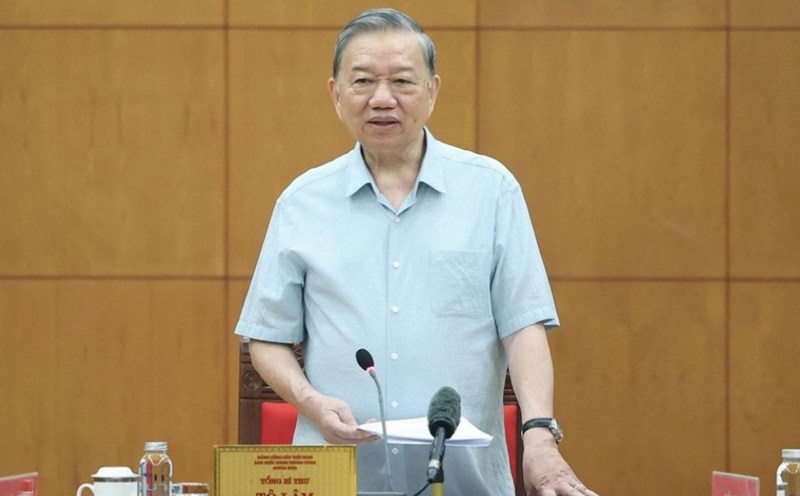
On the morning of February 25, Standing Deputy Prime Minister Nguyen Hoa Binh provided information on the action program to implement Resolution No. 79-NQ/TW on state economic development.
The Standing Deputy Prime Minister clearly stated that the differences and new points of this resolution emphasize the resources the State is holding. These resources need to be maximized, and the inheritance of these resources is not only for state-owned enterprises but also for society, people, private sector, FDI...
Regarding land and resource resources, the Standing Deputy Prime Minister clearly stated that the review and amendment of the Land Law is aimed at strong decentralization and delegation of power, resolutely recovering abandoned and wasteful land.
Digitizing, cleaning and interlinking the entire land data system nationwide. Conducting comprehensive exploration and statistics of national minerals for unified coordination.
Regarding minerals, we must control them very carefully. We are owning strategic minerals, we must build to effectively manage these treasures," said the Standing Deputy Prime Minister.
Develop an integrated plan for underground space with modern urban planning. Improve the law on basic investigation, oil and gas exploitation and offshore wind power.
Building and effectively implementing the rare earth strategy. Building a superior mechanism to deploy the experimental framework for space economy and low-level economy development.
Incentives to invest in smart parking infrastructure to serve unmanned aerial vehicles. Research and improve the management mechanism and effective allocation of telecommunications resources and digital infrastructure to serve socio-economic development and national defense and security tasks.
Regarding infrastructure asset resources, synchronously complete policies on management, use and exploitation of infrastructure assets invested and managed by the State.
Completing legal regulations on construction related to norms, unit prices, and calculation methods of construction costs for "multi-sectoral, multi-target" projects.
Regarding state budget resources, apply new types of taxes related to assets and carbon emissions according to international practices.
The Standing Deputy Prime Minister also clearly stated the merger and definitive dissolution of non-budgetary financial funds that operate ineffectively and overlap. No new non-budgetary funds should be formed except in extremely urgent cases.
Develop and implement a plan to transfer state capital in enterprises held by the State from 50% or less of charter capital to enterprises with business functions, state capital investment or state-owned enterprises in the same industry to manage and exercise the rights and responsibilities of owners (restructuring, supplementing capital, divestment).
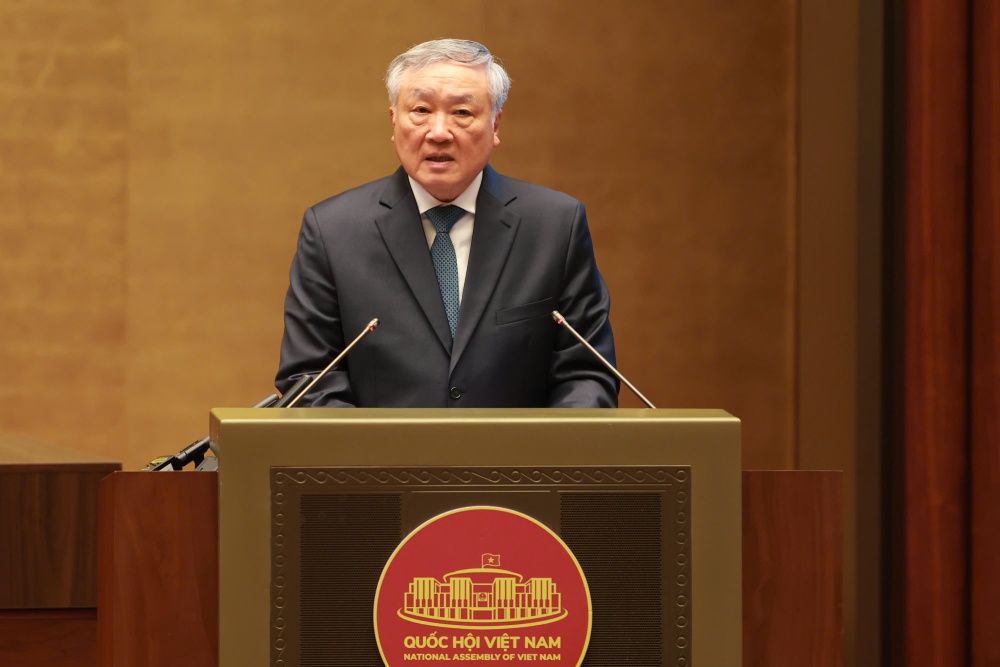
Piloting the hiring of directors and general directors at some state-owned enterprises
Regarding the innovation of state-owned enterprise governance, innovate management methods from pre-inspection to post-inspection; only pre-inspect when really necessary.
Innovate the mechanism for evaluating the efficiency of state-owned enterprises by final results based on the overall objectives, assigned tasks, and financial and non-financial efficiency indicators.
Implement separation accounting between production and business tasks and political and defense tasks.
The Standing Deputy Prime Minister clearly stated the innovation of preferential treatment regimes. Allowing the formation of bonus stock funds to attract and retain employees with high professional qualifications, management skills, and large contributions to the enterprise. Researching bonus mechanisms at enterprises according to the ratio for the profit exceeding the plan.
Research piloting the hiring of directors/general directors at some state-owned enterprises.
Research and create lists: Strong, large-scale state-owned enterprises, playing a leading role in key and strategic industries and sectors of the economy; State-owned enterprises with prospects to be in the top 500 largest enterprises in the world by 2030.
Regarding the innovation of public non-business units, the amendment of regulations allows autonomous units to pay salaries and professional benefits like businesses.
Adjusting prices and fees for public services according to the roadmap, ensuring accuracy and sufficientness.