
When the upper class does not leave the center, but redefines how to live in the core zone
In cities like Dubai, Hong Kong or Singapore, urban peninsulas have long been no longer seen as "special destinations", but have become a deliberate living choice. These are rare areas that converge three factors at the same time: core location, controlled living environment according to their own standards and selected residential communities. The natural boundary of the water plays the role of a "soft barrier", helping to minimize the impact of urban density without cutting off connections with the center.
Studies on the residence behavior of the super-rich show that most UHNWIs globally still prioritize real estate located in the urban core, with quality of life to be guaranteed. This explains why semi-island villas in the center - where land funds are almost impossible to expand - always maintain persistent attraction through many market cycles. According to Knight Frank Waterfront Homes Edition 2: 2024, waterfront real estate in the international market recorded an average premium price of about 48–49% compared to non-waterfront products, reflecting the strong attraction of riverside and lakeside locations even in the context of market fluctuations.
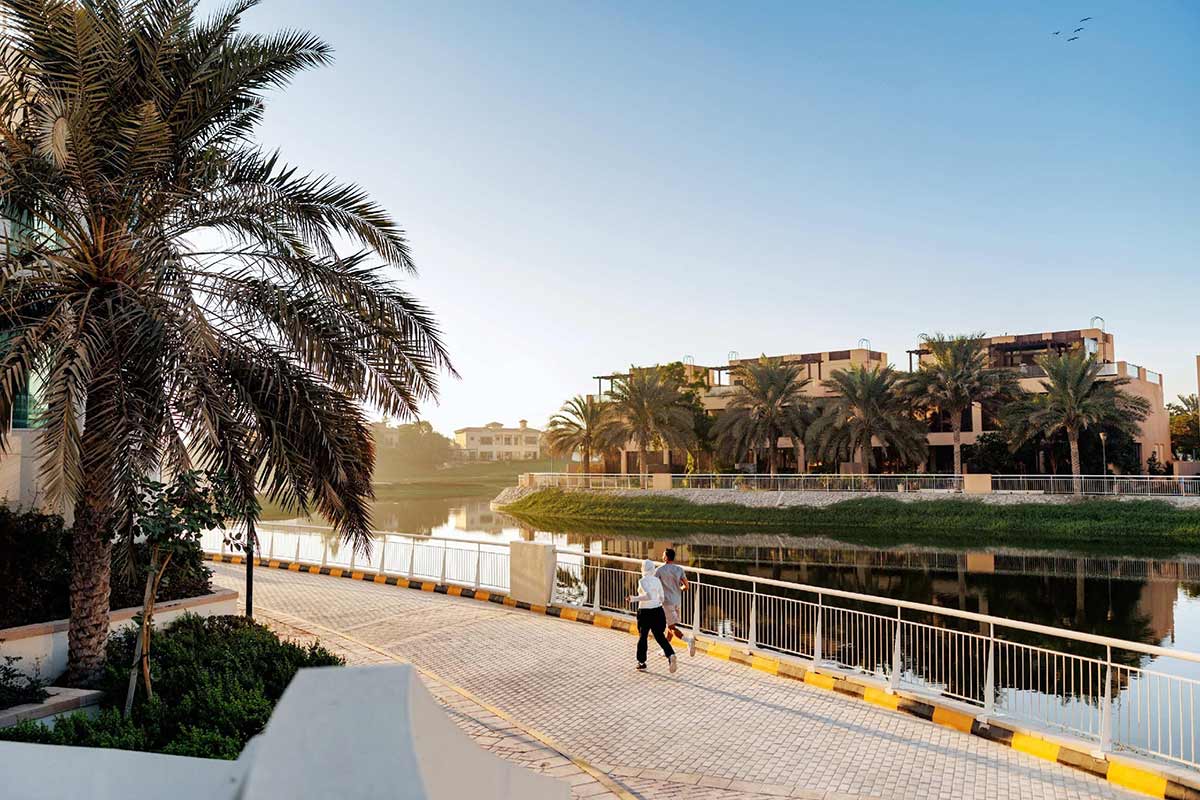
Dubai is a clear example of this shift. The central peninsulas here are chosen as the main residences of entrepreneurs, global experts and multi-generational families. What makes the peninsula real estate model attractive is not the superficial luxury, but the ability to solve a core problem of modern urbanism: how to live in the center without being drawn into its noise and overload. The peninsula, with its surrounding waterways, creates a form of "urban enclave" – a lifestyle that allows for just enough separation, but not separation from modern amenities.
As core land funds become finite and density increases, natural locations like the peninsula are almost irreversible. This limitation creates a different form of life – not expanding outwards, nor large-scale cloning, but being distilled from the rare conditions remaining in the heart of the city. And in these rare spaces, some special living spaces begin to appear, enough to redefine the way of life in the center.
SOLA - a haven on the precious peninsula in the core of Ho Chi Minh City.
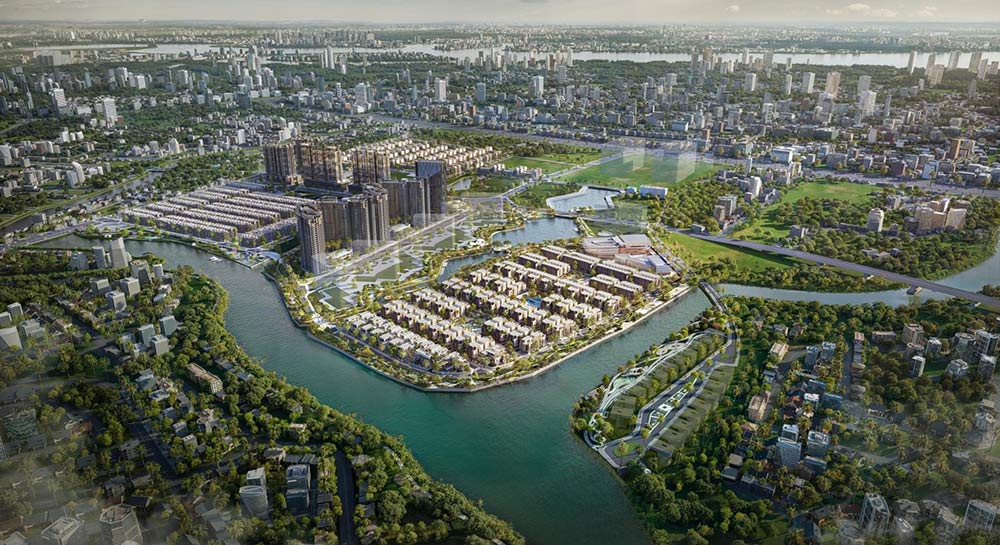
Ho Chi Minh City is expanding its urban space with adjustments in boundaries and planning. However, that expansion does not change the boundaries of the core central area - where infrastructure, connectivity and central role have been formed in advance. Therefore, even if the city expands its boundaries, the land fund in the core area still retains its finite nature. In that context, rare natural locations such as the peninsula appearing right in the center become a special living space, difficult to recreate or replicate.
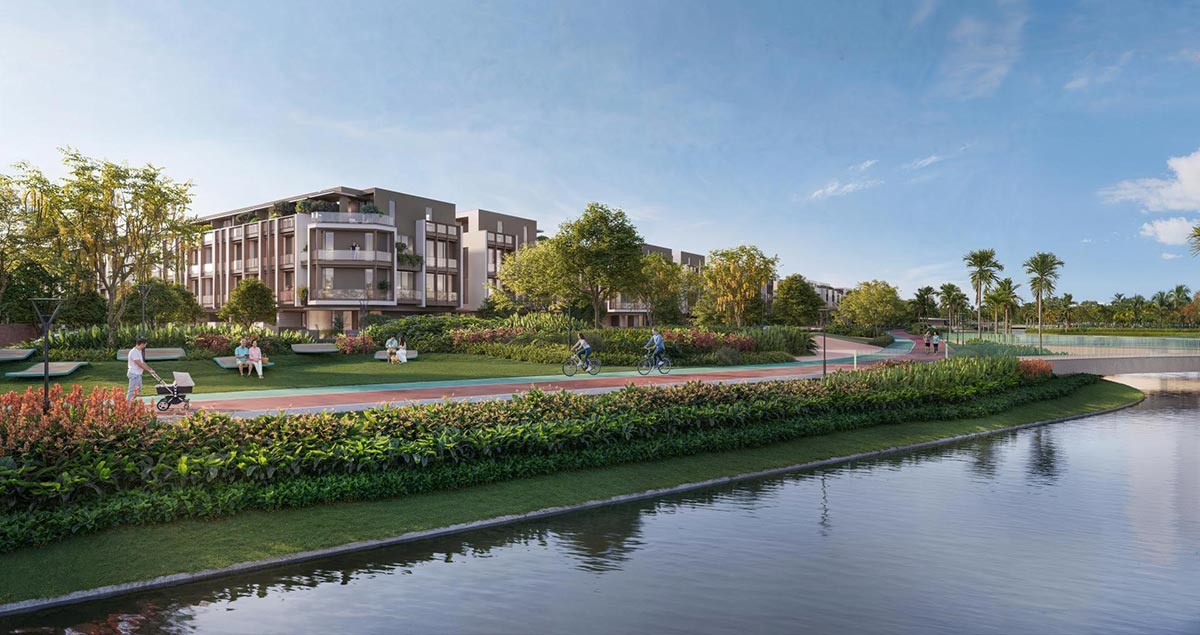
SOLA Peninsula possesses an almost irreversible advantage: three sides adjacent to water with two natural rivers surrounding it, located in the core of The Global City. The surrounding water helps regulate light, wind and temperature, while forming a natural boundary between living space and the vibrant pace of the outer city, supported by a closed system of five internal parks, corresponding to different rhythms of life during the day.
More importantly, the SOLA peninsula is not separated from all functions and living needs of urban residents but is an important part of The Global City, the central symbol in Ho Chi Minh City. With a system of amenities and long-term planning vision, The Global City provides all the functions of a modern center – from infrastructure, commerce to education and services – while SOLA itself is planned as a separate villa area, where density, circulation and inner rhythm of life are completely separated. This is the way "peninsula standard living" is realized in Vietnam: not leaving the central area, but still owning a quiet space for itself.
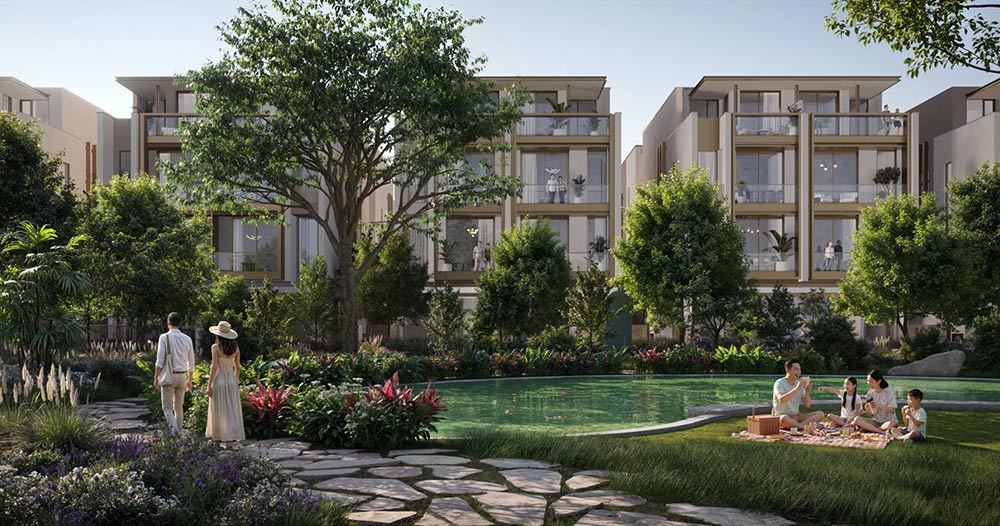
SOLA Peninsula is aimed at families who see housing as the foundation for long-term life, rather than a short-term or cyclical choice. The limited scale of the peninsula allows for the creation of a harmonious community of rhythm of life and value systems, where privacy is not a personal privilege, but a common standard maintained over time. For multi-generational families, the SOLA peninsula is not just a place of residence, but a space for living values to be naturally continued.
From that depth, SOLA peninsula gradually becomes a defining mark of the upper class of Ho Chi Minh City. Without ostentation or formal declarations, the position here is expressed through the way owners are proactive in choosing living space and the rhythm of life they want. With those values, peninsula living - the standard of living of the peninsula - at SOLA stands shoulder to shoulder with the central peninsulas in the world - where the upper class settles for a long time, and where living space becomes a part of personal identity, being continued and inherited through many generations.


