
Before becoming a businessman, Mr. To Nhu Toan was an architect. Perhaps that's why, when looking at a building, what Chairman of the Board of Directors Van Phu cares about first is not the number of floors or commercial value. He thinks about the people who will live there: How will they feel, how will their children grow up in an environment and how will the lives of the whole family change.
That perspective has followed Van Phu for more than two decades. Amid a market that has grown hot and then adjusted deeply many times, businesses choose to develop within their control, focusing on each project and placing the long-term interests of customers higher than immediate benefits.
From a very professional thought of an architect, "Real estate for life" gradually became the dominant principle in Van Phu's selection of land funds, planning, design and project operation.
Taking quality of life as a foundation for the development journey
Over the past 20 years, the Vietnamese real estate market has gone through many cycles. Each period of growth or stagnation forces businesses to choose: expand quickly or conserve strength to go long-term; maximize immediate efficiency or protect quality of life later.
Van Phu identified the answer quite early. Businesses have never set a goal to become the number one or number two enterprise in terms of scale in the real estate market. Therefore, instead of spreading resources across too many projects, businesses invest deeply in each product, accepting to go slowly to maintain meticulousness from planning to living space.
There were times when financial efficiency could be improved by increasing construction density, narrowing utility area or converting more land funds for commercial purposes. But for Van Phu, a better profit in the short term is not worth exchanging for the identity that the business has built over many years.
Every time he has to consider between commercial efficiency and quality of life, this philosophy becomes a support for Van Phu to review his decision: is that choice really good for people who will live in Van Phu's projects for many years to come.
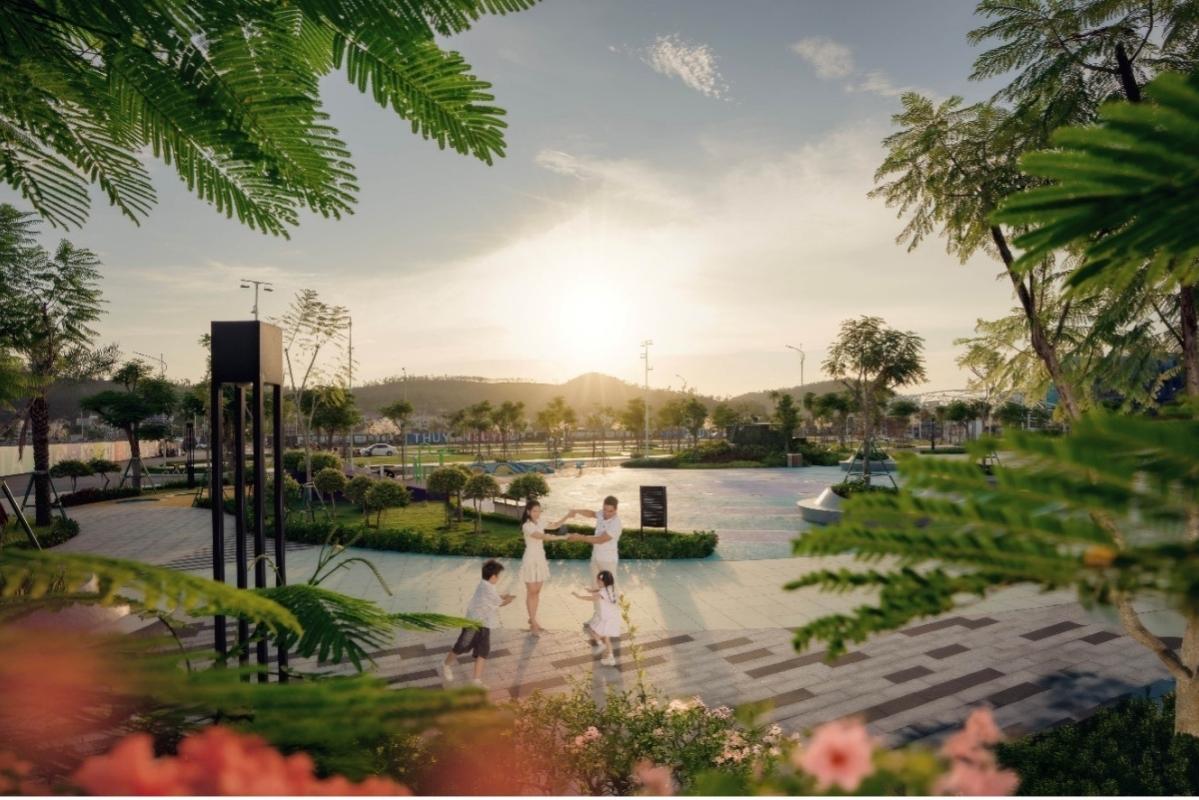
For Van Phu, the responsibility of real estate businesses cannot stop at building and selling houses. Developers must also participate in solving the actual needs of the locality, together creating infrastructure and communities capable of living well through many generations.
I always believe that the prosperity of a nation is created by millions of happy families. When each person has a place to settle down, a good living environment to raise children, develop themselves and connect with the community, that is the foundation of a sustainable society," Chairman Van Phu shared.
This belief also explains how Van Phu builds each product system. Vlasta creates a foundation for families to feel secure in starting a business and building a home. Vlasta Premier is aimed at entrepreneurs, experts and people who are contributing to society, so that they have a space to regenerate energy, connect and continue their work.
Understanding the land, creating urban areas with identity
When expanding from North to South, Van Phu faced another problem: how to make the project bear the imprint of the business but not become unfamiliar with where it is present.
The principle set out is not to carry a drawing or formula of success from one locality to another. Because each land has its own history, culture, natural conditions and pace of development, what Van Phu calls the "soul of the land".
In Hue, modern buildings must find a way to dialogue with heritage space and contribute to preserving cultural identity. In the Mekong Delta, the ability to adapt to river conditions and climate change is put first. In Bac Ninh, Hai Phong or Dong Nai, the presence of a large number of experts, engineers and high-quality workers creates a need for urban areas that connect residence, workplaces and community life.
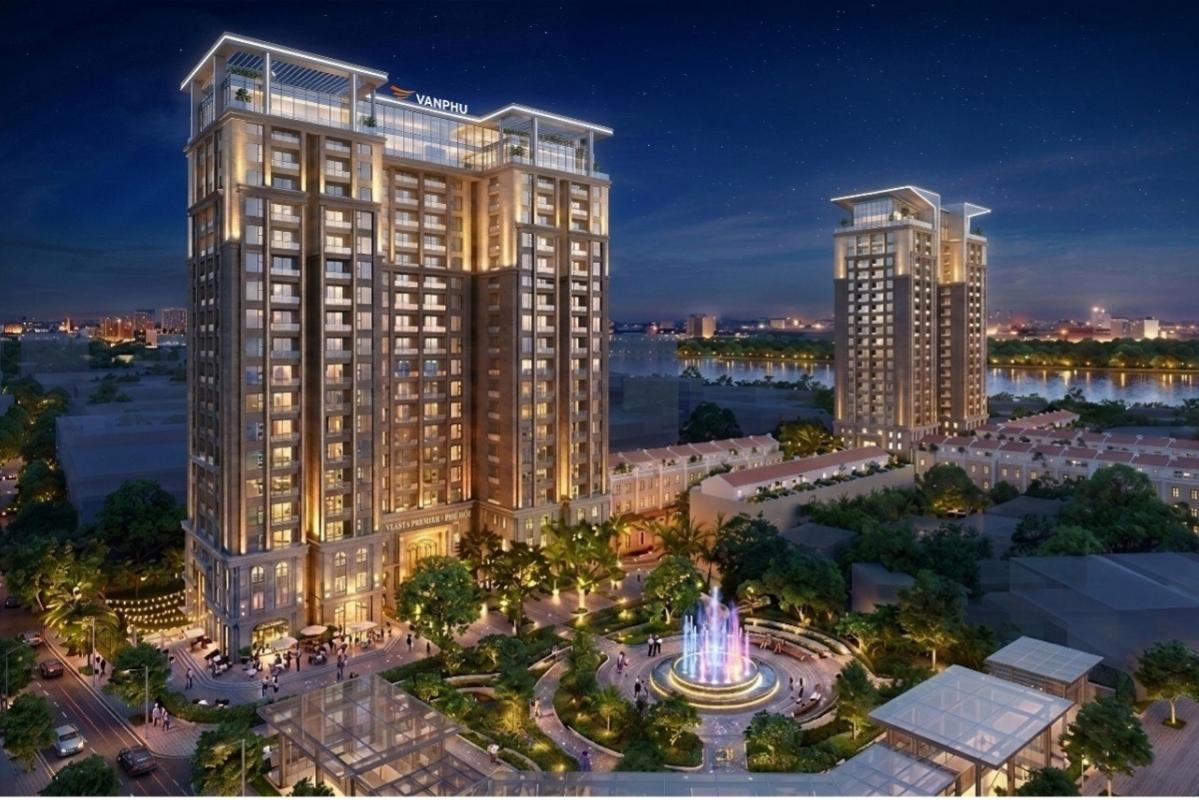
Before developing a project, businesses should find out what is lacking in the locality, what advantages need to be promoted and what values must be preserved. A project only truly integrates into local life when it supplements the missing parts in terms of planning, infrastructure or living space, instead of standing separately like an oasis.
This is also the capacity Van Phu wants to cultivate for the next 10-20 years. The land fund can change. Technology and management models can be learned or copied. But the ability to understand what Vietnamese people need to live better, what each land needs to develop in accordance with its identity, can only be formed over time, experience and deep enough listening.
Van Phu's journey started from a simple principle of an architect: when doing real estate, you must first think about people. That principle gradually grew into the philosophy of "Real Estate for the sake of life", and then became a desire to contribute to building sustainable cities for the country.
This path is not easy to measure by the indicators of a quarter or a market cycle. The measure lies in the life that continues after each project: are families happier, are communities more attached, and does customer trust remain over the years.
If the answer is yes, it is the longest legacy that a real estate developer can leave behind.


