
According to commodity analysts at Société Générale (SocGen - a large banking and financial services group in France), even when real yields fall and the USD weakens, gold prices may still find it difficult to attract buying power, as strong stock markets continue to attract investors to risky assets.
The major French bank warned that gold investors may face a prolonged period, in which capital inflows into gold ETFs are weak, while central bank buying activities temporarily slow down.
The market is in a rather fragile balanced state, and the monetary policy roadmap is still a key variable for gold, through its impact on real yields and opportunity costs when holding a non-performing asset.
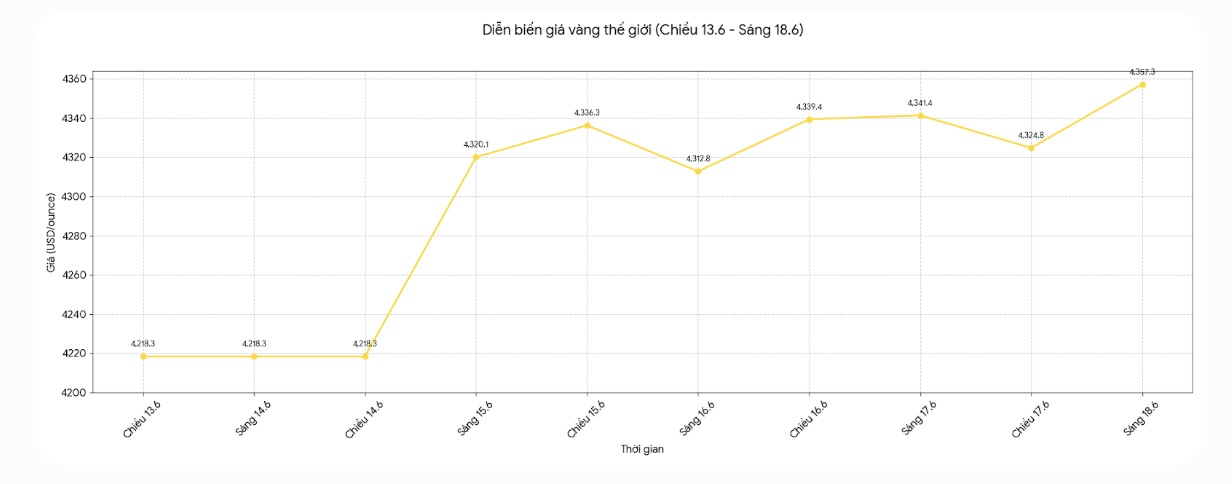
SocGen experts predict that major central banks in the world will continue to be cautious, with "the US Federal Reserve (Fed) maintaining interest rates, the European Central Bank (ECB) leaning towards a tough stance, and the Bank of Japan (BoJ) gradually tightening policies".
In the near future, experts see two macroeconomic scenarios that may occur. The first scenario is "a growth cycle led by artificial intelligence (AI), but accompanied by inflation, causing monetary policy to remain tight". The second scenario is "an energy-induced hyperinflation shock, especially in the event of prolonged supply disruptions.
Inflation in the US and Europe will remain high until early 2027 before cooling down, thereby only providing temporary support for the protectionist role of gold. The important thing is that they see policy stability, instead of policy easing, as a basic scenario. This will limit gold's upward room in the short term.
SocGen said that some supporting factors may appear later, "as real yields gradually decrease and the USD initially weaken". However, the bank warns that even then, gold's rally will still be limited by "persistent global growth, strong stock markets and investors' continued prioritization of risky assets".
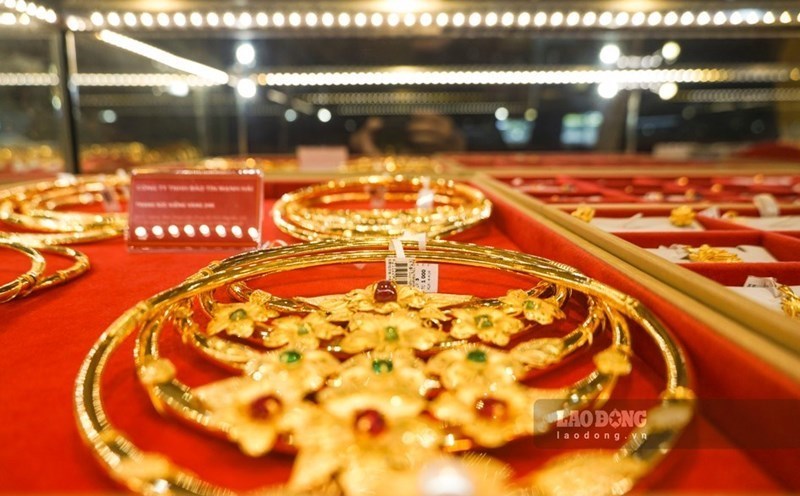
On the demand side, weak capital inflows into ETFs and limited buying activities by central banks have reduced the strength of financial demand, although recovery is expected to appear in 2027. Material demand, especially jewelry, shows value-based resistance and can create certain support when prices enter an accumulation phase.


