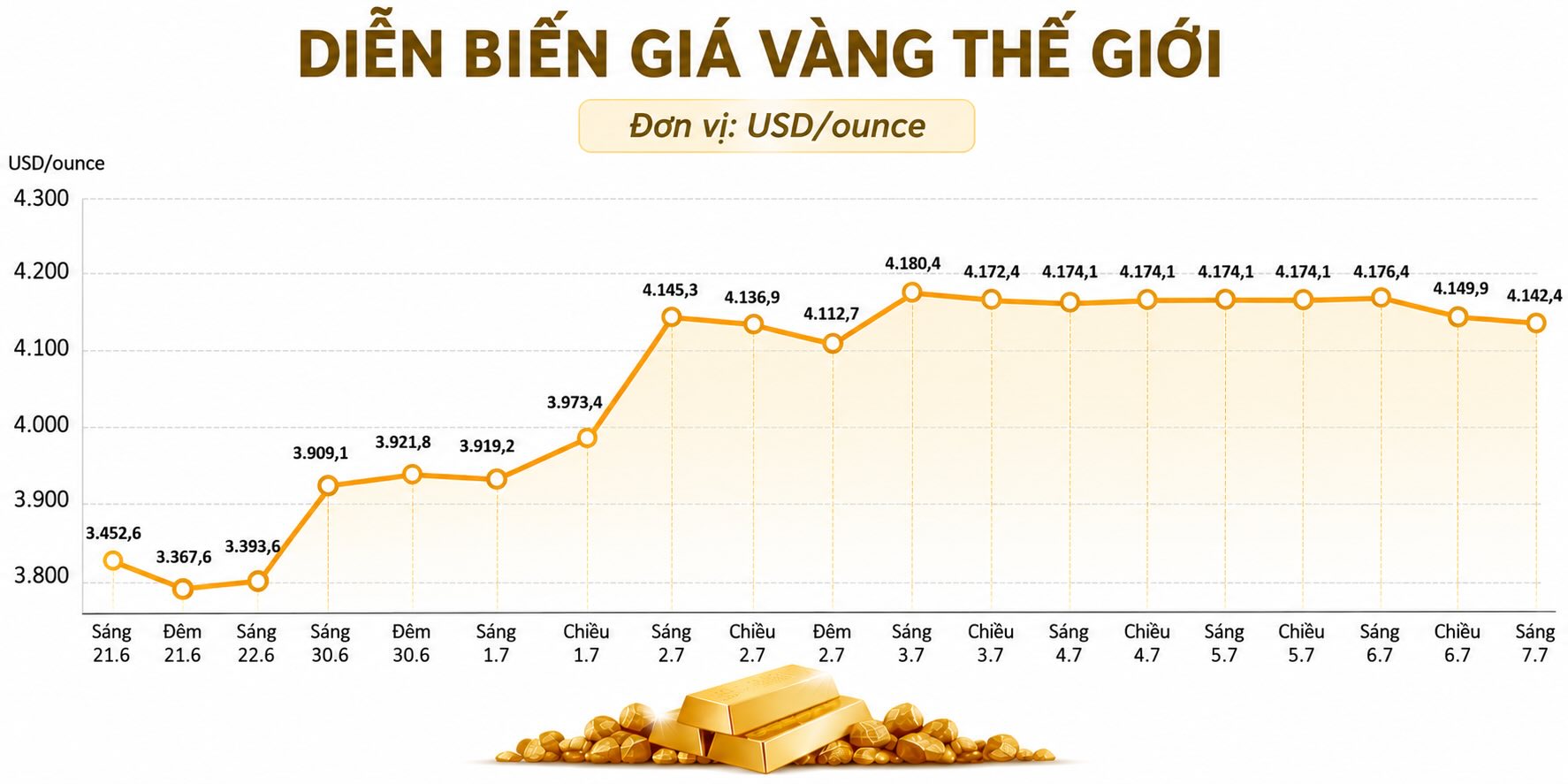
In the latest report on the precious metals market, Mr. Ole Hansen - Head of Commodity Strategy at Saxo Bank (an online investment and trading bank of Denmark) said that gold price movements are shifting from the position liquidation phase to accumulation and price formation.
The market has shifted from a state of strong buying to a stage where investors choose to accumulate more cautiously. The next developments are likely to depend on whether macroeconomic conditions continue to ease or become unfavorable again," Hansen said in a report released on Monday.
Mr. Hansen believes that gold prices continue to be greatly affected by market expectations for US monetary policy. Although the market still forecasts that the US Federal Reserve (Fed) may raise interest rates this year, strong tightening forecasts have eased after the disappointing jobs report released last week. The report shows that the US economy only created 57,000 jobs in June.
In addition, gold prices are also receiving support from the positive statements of Fed Chairman Kevin Warsh. He emphasized his commitment to maintaining price stability and bringing inflation back to the central bank's target. However, he also said that inflation risk has eased in recent weeks since he took on the role of Fed leader.
Mr. Hansen said he does not expect the Fed to raise interest rates this year, as inflationary pressure continues to cool down, in line with recent statements by Mr. Kevin Warsh - Fed Chairman.
Inflation expectations in the future have fallen sharply. Therefore, continuing to tighten monetary policy in the context that the cause of the tightening is weakening, especially when energy prices fall deeply, is unreasonable. Once this view becomes a general assessment of the market, the USD will weaken as very high buying positions are narrowed, while short-term bond yields will return closer to the Fed's operating interest rate level," Hansen said.
However, until the Fed's policy orientation becomes clearer, Mr. Hansen believes that gold prices still have a long way to go to recover, in the context that prices are still 26% lower than the peak set in January.
The support zone below 4,000 USD/ounce has so far been maintained. However, the recovery towards 4,200 USD/ounce last week encountered selling pressure again, showing that a part of investors are still taking advantage of price increases to reduce holdings.
Such developments often appear after a deep correction and explain why the process of forming a sustainable market bottom may take a long time" - Mr. Hansen said.
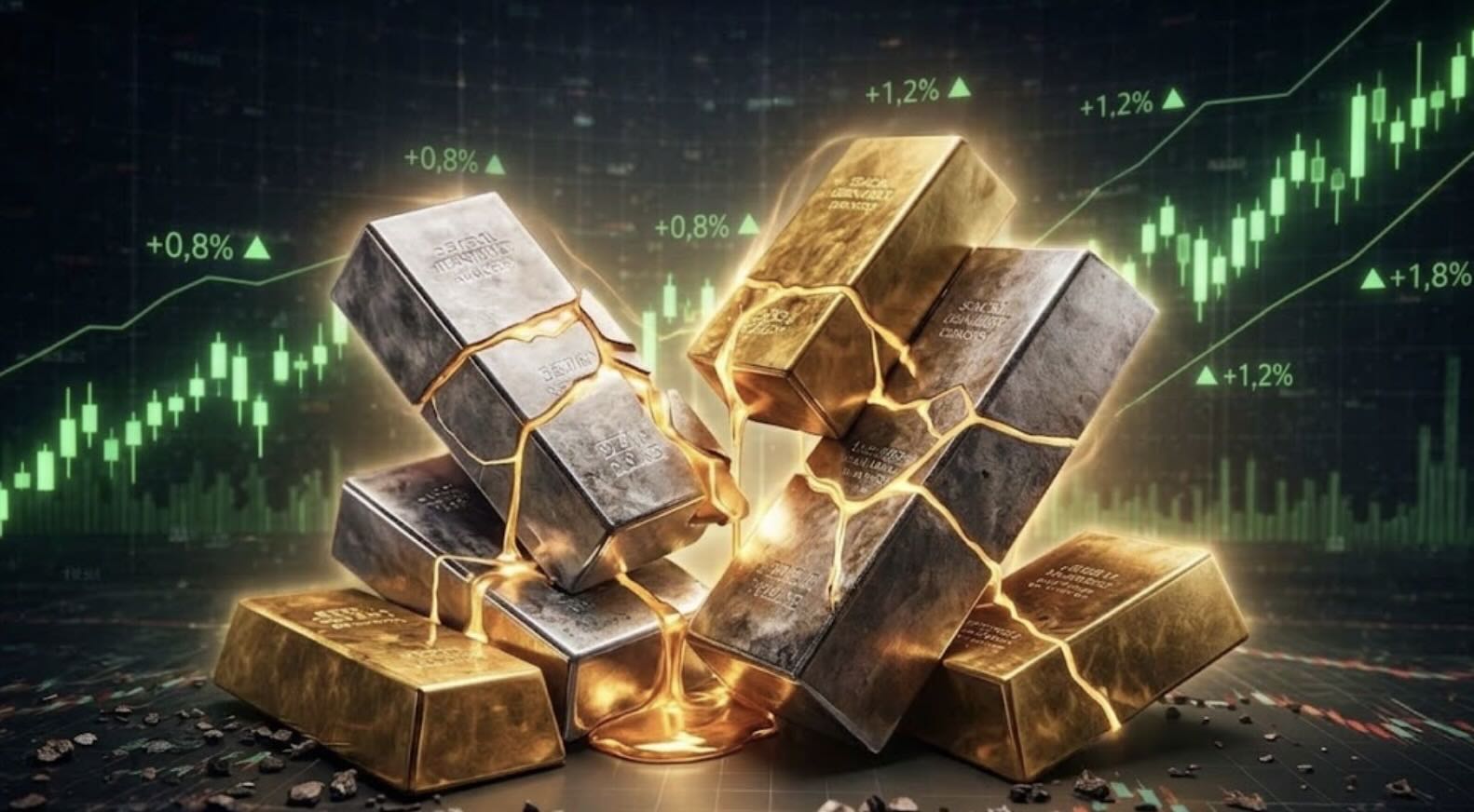
According to technical analysis, the 200-day moving average, currently near 4,485 USD/ounce, is the first major barrier to gold prices. Above this level, the Fibonacci 38.2% retreat of the decrease of about 1,650 USD/ounce from January to June is near 4,574 USD/ounce.
Overcoming these thresholds will help the technical outlook for gold prices become more positive. Before that happens, the current recovery should be seen as an effort to create a price base" - Mr. Hansen said.
Along with a more optimistic sentiment towards gold, Mr. Hansen said he was also encouraged by the recent developments in silver prices, although the price of this metal in Monday's session was still limited to 63.27 USD/ounce.
The most recent sell-off of silver stopped before the important support zone in the middle of the 50 USD/ounce threshold. After that, the price recovered and surpassed the 60 USD/ounce mark again. This is a positive sign, but like gold, silver still has a lot of work to do to overcome the technical and psychological damage to the market that has formed in the past few months.
Silver is both affected by macroeconomic factors similar to gold, and has a tighter supply-demand base. The prolonged supply shortage and increasing industrial demand are creating long-term support.
However, the silver market is much smaller in scale and more sensitive to cash flow than gold. This makes silver particularly attractive to investors trading according to trends when market conditions improve, but also makes this metal more likely to face stronger sell-offs when market sentiment reverses" - Mr. Hansen said.