Bloomberg đưa tin, Gazprom đã ký một thỏa thuận với Trung Quốc để bắt đầu thanh toán tiền khí đốt bằng đồng nhân dân tệ và đồng rúp thay vì đồng USD - trong một dấu hiệu cho thấy mối quan hệ ấm lên giữa Bắc Kinh và Mátxcơva vốn đang chịu các lệnh trừng phạt của phương Tây.
“Cơ chế thanh toán mới là một giải pháp đôi bên cùng có lợi, kịp thời, đáng tin cậy và thiết thực” - Giám đốc điều hành Gazprom, Alexei Miller, tuyên bố sau cuộc họp trực tuyến với người đứng đầu Tập đoàn Dầu khí Quốc gia Trung Quốc (CNPC), Dai Houliang. Ông Miller nói thêm rằng, cơ chế thanh toán mới sẽ “đơn giản hóa cách tính toán” và “trở thành một ví dụ xuất sắc cho các công ty khác”.
Theo đó, Gazprom đã ký một thỏa thuận bổ sung cho hợp đồng hiện có của mình với Tập đoàn Dầu khí Quốc gia Trung Quốc. Khoản thanh toán sẽ được thực hiện 50% bằng đồng rúp và 50% bằng nhân dân tệ, có hiệu lực ngay lập tức.
Tổng thống Vladimir Putin đã yêu cầu các khách hàng chính của Gazprom ở Châu Âu thanh toán khí đốt bằng đồng rúp vào đầu năm nay sau khi Mỹ và các đồng minh đóng băng hơn 300 tỉ USD dự trữ của Ngân hàng Trung ương Nga để đáp trả Mátxcơva phát động chiến dịch quân sự ở Ukraina. Một số người mua từ chối và Gazprom dừng cung cấp, trong khi những người tiêu dùng lớn nhất đồng ý với các điều khoản thanh toán mới của Nga.
Nga cũng đang chuyển sang thanh toán khí đốt bằng đồng rúp với Thổ Nhĩ Kỳ - quốc gia không tham gia các lệnh trừng phạt và có quan hệ chặt chẽ với Điện Kremlin. Nhưng ban đầu chỉ 1/4 tổng số tiền sẽ được thanh toán bằng đồng rúp, phần còn lại bằng USD và euro. Tuy nhiên, tỉ trọng tính bằng đồng rúp sẽ tăng lên theo thời gian.
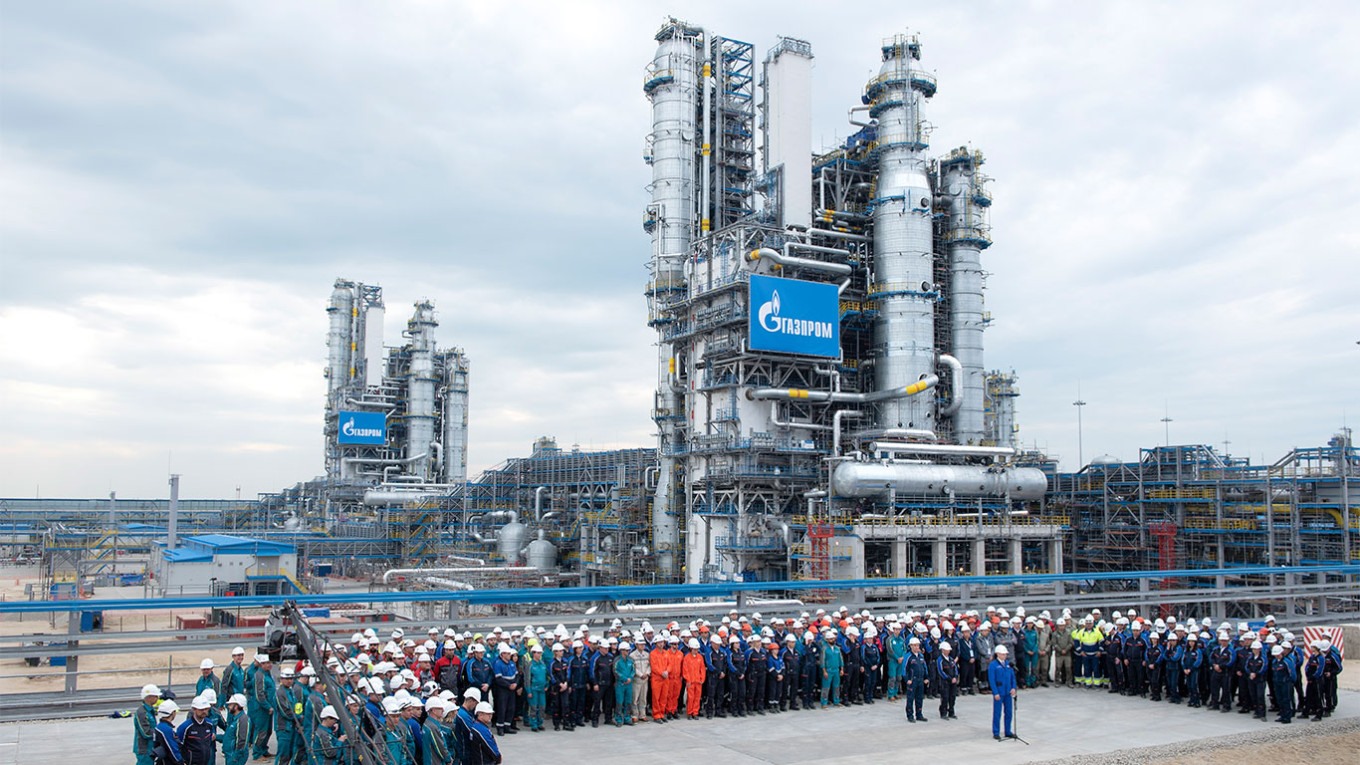
Hợp đồng của Gazprom cung cấp khí đốt cho Trung Quốc thông qua đường ống Power of Siberia (Sức mạnh Siberia), được ký kết vào năm 2019, ước tính trị giá 400 tỉ USD trong vòng 30 năm. Tổng thống Putin ca ngợi động thái này là một “sự kiện lịch sử thực sự, không chỉ đối với thị trường năng lượng toàn cầu, mà trên hết là đối với Nga và Trung Quốc”.
Công suất qua đường ống này tăng đều đặn và dự kiến đạt ít nhất 15 tỉ mét khối vào năm 2022, so với 10,4 tỉ mét khối được giao vào năm ngoái. Gazprom cho hay, khí đốt từ mỏ Kovykta đang được phát triển sẽ bắt đầu chảy qua đường ống Sức mạnh Siberia trước cuối năm nay, cho phép tăng thêm khối lượng vận chuyển khí đốt đến Trung Quốc vào năm 2023.
Đầu tháng 2 năm nay, khi Tổng thống Nga Vladimir Putin đến thăm Bắc Kinh (trước chiến dịch quân sự ở Ukraina), Gazprom đã ký thỏa thuận thứ hai để cung cấp thêm 10 tỉ mét khối mỗi năm trong vòng 25 năm thông qua một đường ống mới, mặc dù nguồn cung chưa bắt đầu. Vài tuần sau, nhà sản xuất khí đốt này cũng đã ký hợp đồng thiết kế đường ống Soyuz Vostok xuyên Mông Cổ tới Trung Quốc, có thể cung cấp tới 50 tỉ mét khối mỗi năm.
Gần đây, Nga đang nỗ lực xây dựng mối quan hệ kinh tế chặt chẽ hơn với Trung Quốc và các nước không thuộc phương Tây khác.
Tổng thống Nga Vladimir Putin hồi đầu năm đã buộc các khách hàng Châu Âu mở tài khoản ngân hàng bằng đồng rúp với ngân hàng Gazprombank và thanh toán bằng tiền Nga nếu họ muốn tiếp tục nhận khí đốt của Nga. Nguồn cung bị cắt cho một số công ty và quốc gia từ chối các điều khoản của thỏa thuận, khiến giá năng lượng tăng cao.
Điện Kremlin cho biết, nguồn cung khí đốt Nga cho Châu Âu sẽ không tiếp tục cho đến khi các lệnh trừng phạt của phương Tây đối với Mátxcơva được dỡ bỏ.