
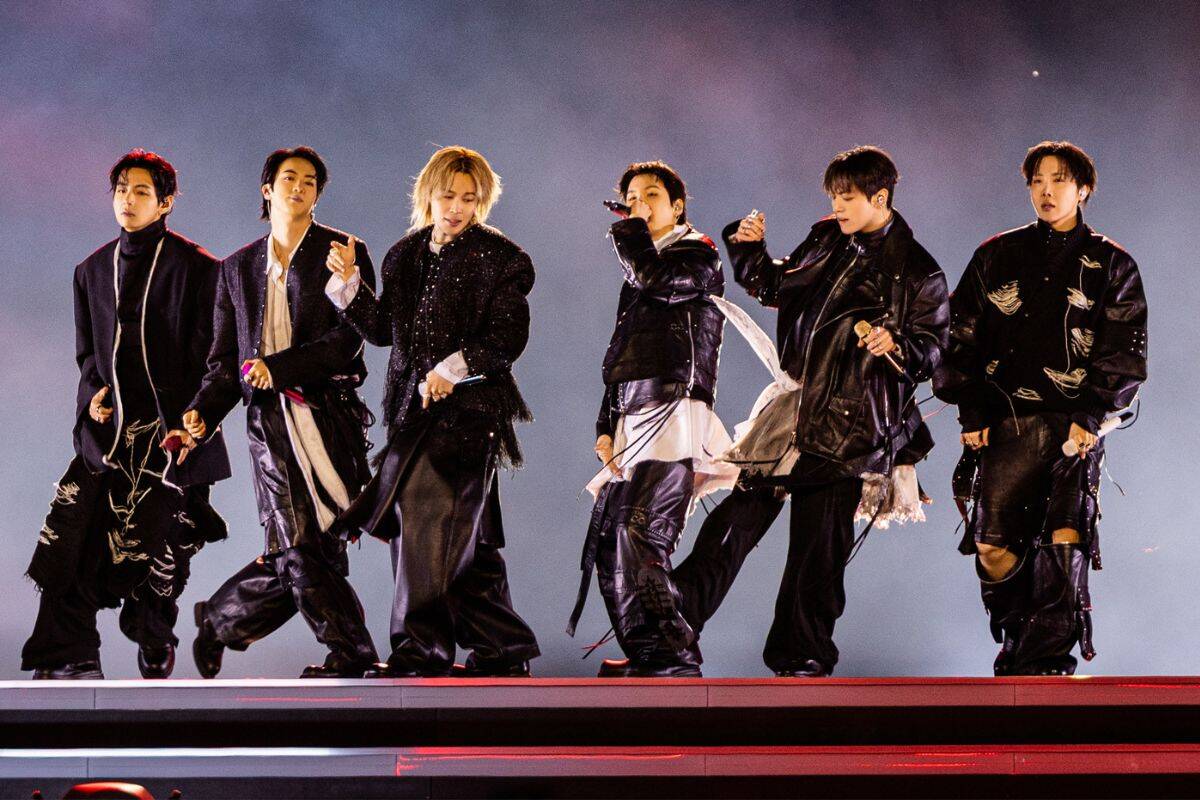
On the evening of March 21, Kpop group BTS had a performance at Gwanghwamun Square (Seoul, Korea), to celebrate the release of their 5th studio album "Arirang", and also mark the group's comeback to the stage after a long period of interruption due to military service.
However, after the concert, many controversies flared up. The issue being reflected by the Korean media, as well as many netizens discussing on online communities, is the number of people actually present at BTS's concert venue.
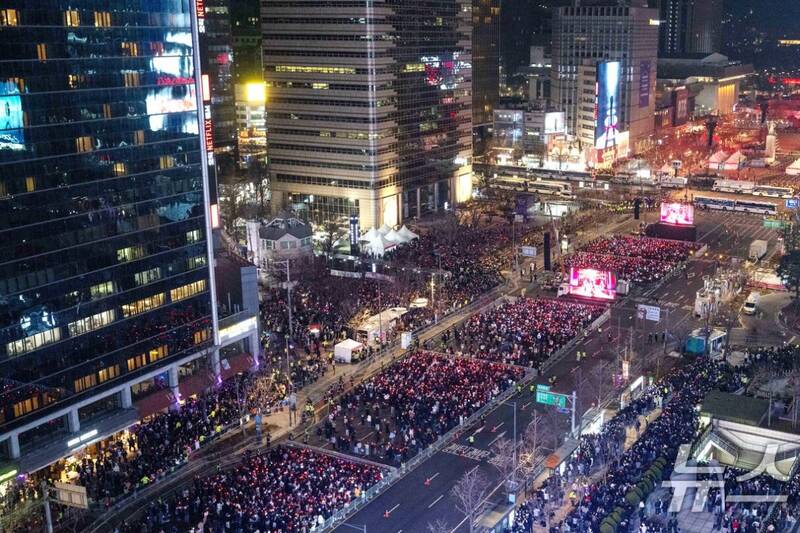
The organizers arranged 22,000 official seats for fans at Gwanghwamun Square. In addition, many fans without tickets still gathered along the streets and surrounding areas to see the performance.
According to HYBE Group: "It is estimated that about 104,000 people came to the scene to watch the concert at Gwanghwamun Square". This number is compiled from pre-booked tickets, data from 3 major telecommunications networks, cheap phone users and foreign tourists.
HYBE's report was much lower than the pre-event estimate by the police and city authorities of a maximum of 260,000 attendees.
However, according to real-time urban data from Seoul city as well as the police, as of 8 pm on March 21 (the time the concert started), the vicinity of Gwanghwamun and Deoksugung Palace gathered about 40,000 to 42,000 people, with the level of congestion classified as "busy".
Because the police expected a maximum of 260,000 people to flock to watch the performance, a large force was deployed. A total of about 15,000 people participated in ensuring security and counter-terrorism, including: 72 mobile police units (6,759 people), 35 criminal police teams (162 people), more than 3,400 personnel from cities, autonomous districts and firefighters, along with about 4,800 operating personnel from the organizers.
The significant discrepancy between the actual number of people and the initial expected number has caused mixed opinions. Many viewers believe that "too many national administrative resources should not be used for an event of a private company artist".
In addition, according to Sports Kyunghyang, immediately after BTS's concert ended, a wave of outrage from surrounding businesses erupted.
Previously, there were many optimistic predictions that this event would bring thousands of billions of won in economic benefits, but due to the excessive control of the police and local authorities, stores in the blocked area fell into a plunge in revenue.
To ensure the security of the concert, subway stations such as Gwanghwamun, City Hall and Gyeongbokgung were closed early; from about 2-3 pm, trains began to pass without stopping. Neighboring buildings were also closed, and buses switched to roundabout routes.
On March 23, on forums for small traders, a series of shares about the damage of shop owners around the Gwanghwamun area appeared densely.
A store owner angrily said: "Normally on weekends, my store sells about 6 million won, but because of BTS's concert, the train does not stop, the bus route is changed, and in the end there is only one customer table. Whose festival is this after all?
The situation of the retail industry such as convenience stores is similar. Some stores in the peri-concert area have increased revenue, but stores located in the barricaded area are heavily affected.
Some opinions frankly pointed out the issue of "privatization of public assets". Although using large resources from the budget, civil servants and police to blockade the central area of Seoul, economic benefits mainly fall into the hands of private businesses such as Netflix (the unit that broadcasts live performances) and HYBE. Meanwhile, people and small traders have to bear inconveniences without corresponding benefits.


