
Le Hoan Temple is known as one of the typical ancient architectural works of Thanh land. Currently, it still preserves many "treasure" dating back thousands of years.
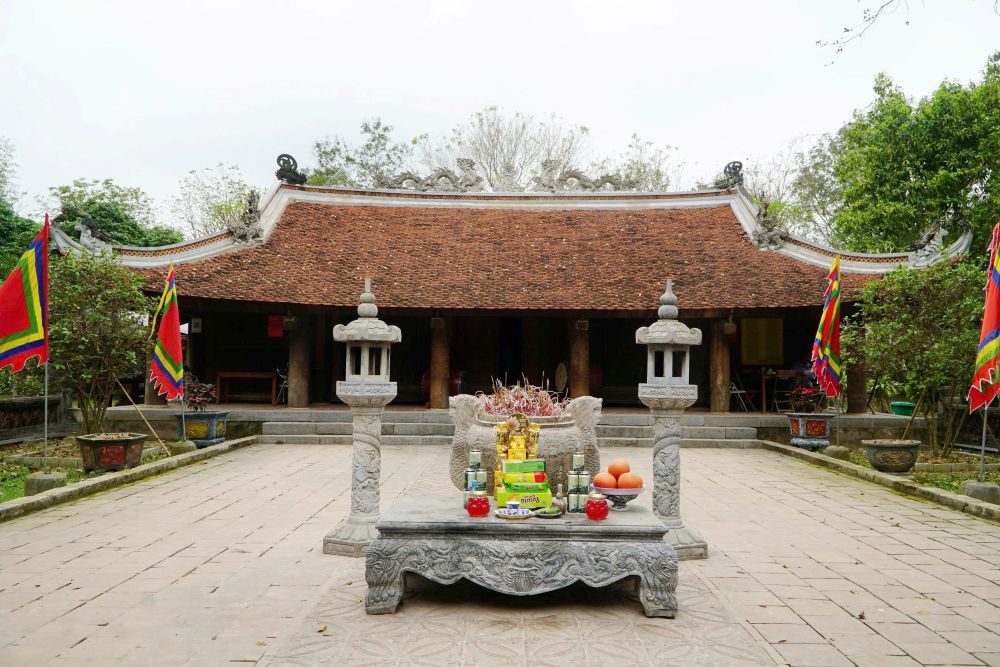
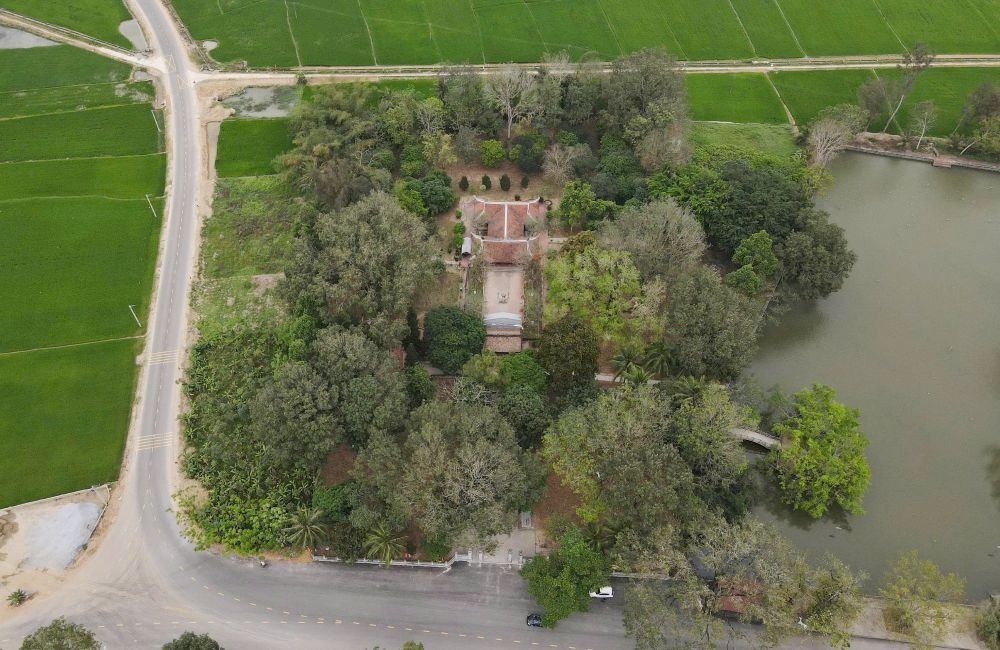
The special national relic Le Hoan Temple is located in Trung Lap village, Xuan Lap commune, Thanh Hoa province. This is the place to worship Emperor Le Dai Hanh (surname Le Hoan) along with his father, mother, wife and son.
According to historical records, Le Hoan was born in the year Tan Suu (941). After assisting Dinh Tien Hoang in suppressing the rebellion of 12 envoys and establishing many merits, in the year Tan Mui (971), he was promoted to the position of Thap dao tuong quan.
In 979, in the context of national turmoil, Le Hoan played an important role in stabilizing the court. In the year Canh Thin (980), he ascended the throne as emperor, took the posthumous title Le Dai Hanh, and gave the year name Thien Phuc, opening the Tien Le dynasty (980-1009).
During his reign, the king carried out many important reforms. In the 3rd year of Thien Phuc (982), he cast Thien Phuc coins, considered one of the earliest coins circulating in the country. At the same time, he developed commercial centers such as Truong Yen, Tong Dinh, Long Bien; focusing on agriculture and handicrafts.
King Le Dai Hanh passed away in the year At Ty (1005) in the ancient capital of Hoa Lu (Ninh Binh), at the age of 65 after 24 years of reign. To commemorate his merits, the people of Trung Lap village built a temple on the land associated with his childhood. By the time of Ly Thai To, the temple was rebuilt; by the time of Hong Duc (1442-1497), the temple was built on the scale of today.
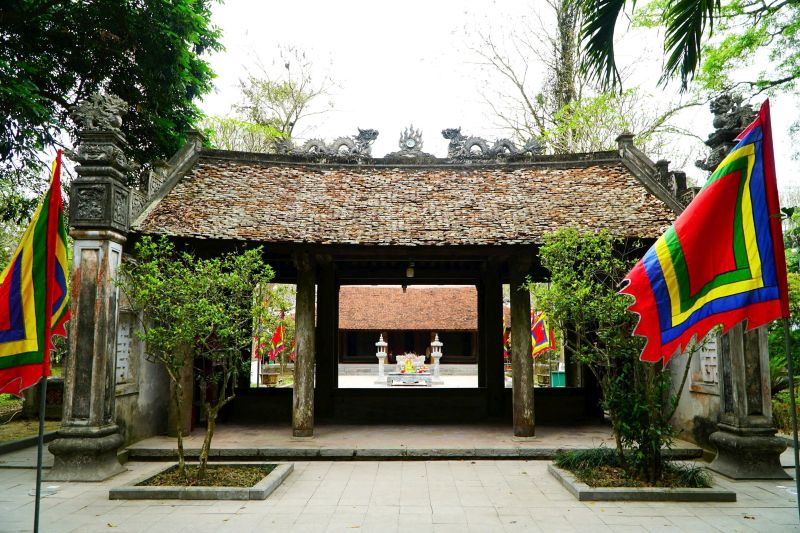
According to a representative of the cultural officials of Xuan Lap commune, Le Hoan temple has a characteristic ancient architecture with "internal and foreign" structures. The project is built of ironwood, tiled, with a system of beams, and finely carved wooden walls.
Currently, the temple still preserves many antiques of historical and cultural value such as imperial decrees, imperial orders, parallel sentences, large characters, incense tables, shrines, statues, jars, ancient bowls.
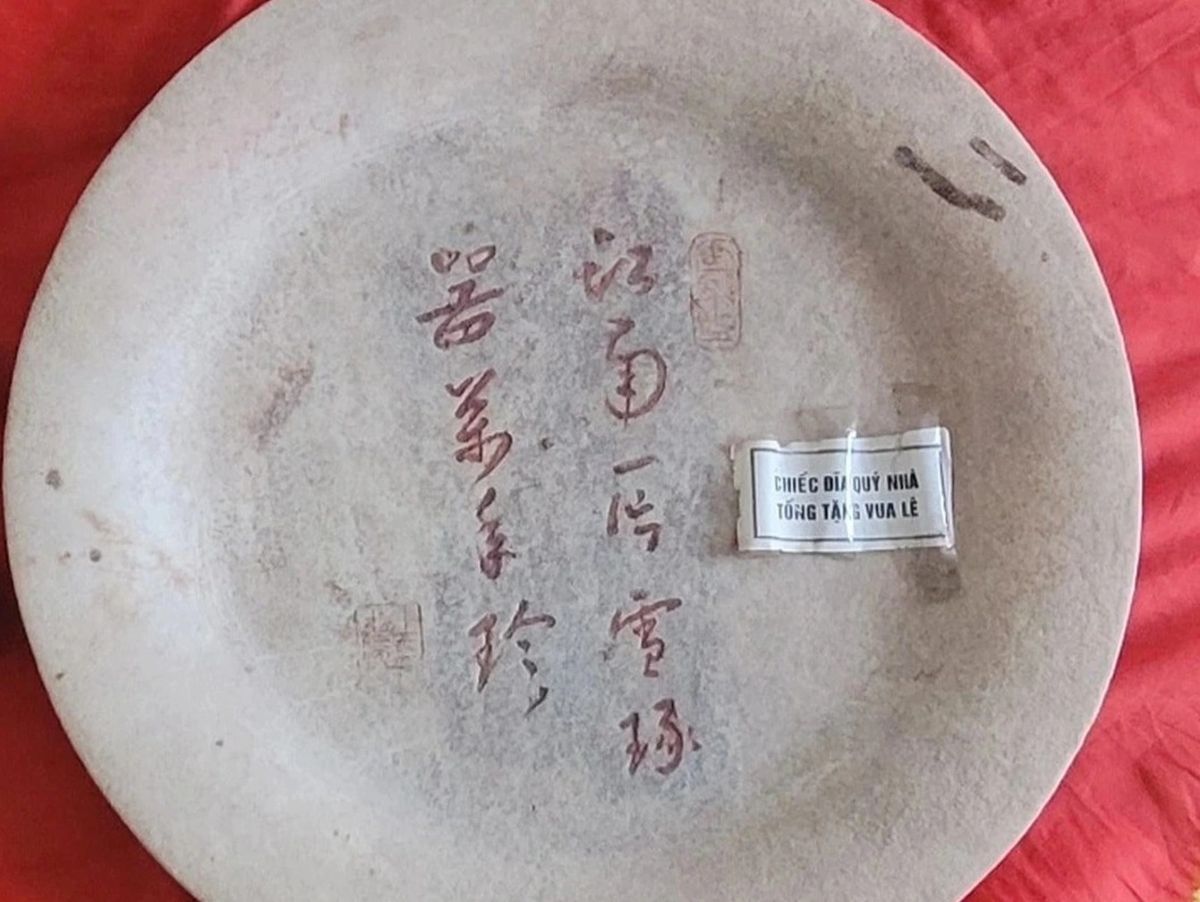
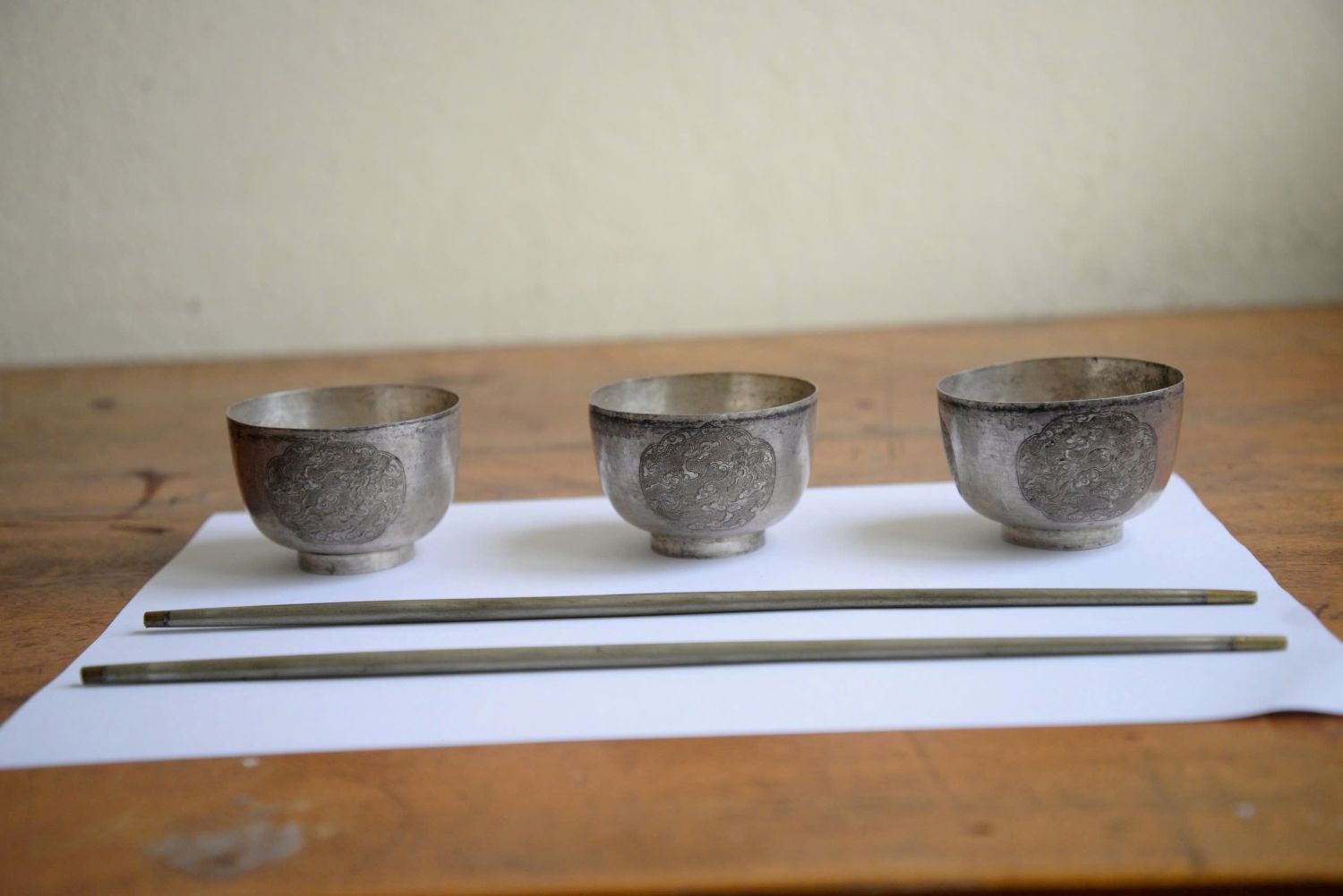
Notably, among them are a stone plate (jade plate) and ancient chopsticks made of alloy. According to Mr. Hoang Hung - Chairman of the Tho Xuan - Yen Dinh Historical Science Association, these are rare artifacts. The jade plate is dated to the period 981-1005, and the pair of alloy chopsticks are believed to be used to test food poisoning.
Currently, to ensure safety, these precious artifacts are strictly preserved at the headquarters of Xuan Lap Commune People's Committee.
Every year, from the 6th to the end of the 9th day of the 3rd lunar month, the Le Hoan Temple festival is held, attracting a large number of people and tourists to offer incense, visit, and admire the scenery.


