
Without breakthrough solutions for livelihoods and training, the "city dream" will soon become a burden, pushing a large part of young workers into an uncertain future.
Paradox "big city, small opportunity
Mr. Tu Trung Vu (26 years old, from Phu Tho) is currently working as a worker at a garment factory in Bac Thang Long industrial park. Previously, Mr. Vu used to work at an electronics company in Bac Ninh but quit after nearly 2 years due to overtime pressure and a stressful working environment.
Currently, Mr. Vu's income is about 7 million VND/month, if he works overtime, he can reach about 9 million VND/month. "However, the cost of renting a room near the industrial park is nearly 1.5 million VND/month, not including electricity, water, food and personal expenses. If you work a lot, it's better, if you have little work, you have to borrow money," Mr. Vu said.
Mr. Le Quang Trung - former Deputy Director of the Department of Employment - said that to date, artificial intelligence and automation have crept into every production line, groups of freelance workers and general workers in major cities. The "stagnant" situation of young workers and general workers is due to their serious shortage of professional skills. "They enter the labor market with muscles, without qualifications, without insurance and of course without the right to negotiate salaries," Mr. Trung said.
As a leader of a brokerage and human resource supply company for nearly 20 years, Ms. Le Thuy Anh - Director of Viet Thanh Human Resources & Talent Co., Ltd. (Cua Nam ward, Hanoi) - believes that there needs to be a mechanism to support young workers and workers lacking skills in large cities, and cannot just let workers swim on their own. Among them, the most sustainable solution is to turn them from "crude labor" to "certified labor".
The city needs skilled workers, not just temporary hired workers. To turn hired workers into certified people, a synchronous solution from education, financial resources and post-training support is needed," Ms. Thuy Anh said.
Softening" vocational education
According to Ms. Nguyen Thi Lan Huong - former Director of the Institute of Social Labor Sciences, the current system of vocational schools is still too heavily burdened with degrees and long training periods. For workers who are struggling to make ends meet, they cannot take 2-3 years off to study. The solution is short-term training courses lasting 3-6 months in the evening or weekend, focusing on practical skills such as operating CNC machines, repairing smart electrical equipment or logistics techniques...
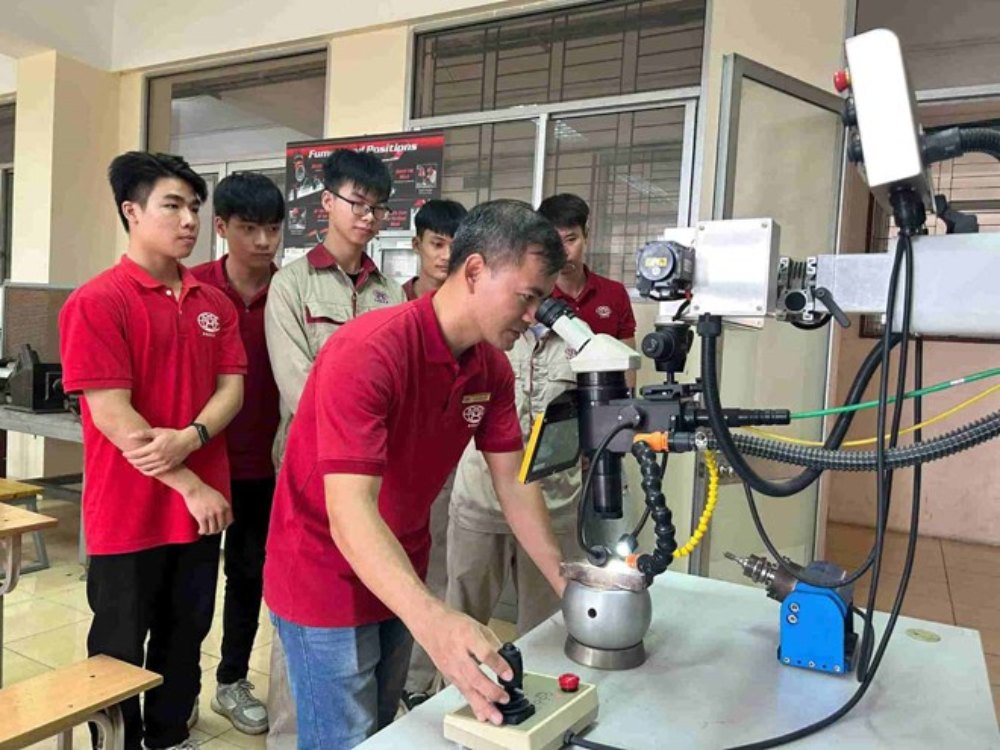
Ms. Huong also proposed a "scholarship for livelihood" policy when urban authorities need to allocate budgets or mobilize socialized funds to directly grant scholarships to freelance workers. Instead of providing cash support in a "hunger relief" nature, switch to supporting tuition fees and living expenses during their vocational training. This is an investment for the future to reduce the burden of social security later.
Mr. Vu Quang Thanh - Deputy Director of Hanoi Employment Service Center - proposed closely linking the "output" of training with businesses and must switch to the "order" training model. "Businesses in industrial parks lack high-tech personnel, while young workers are unemployed or work at low incomes. The State needs to stand out as a "bridge", requesting businesses to be responsible for retraining existing workers instead of just aiming to fire them when they are outdated," Mr. Thanh said.


