
Within the framework of the 6th Cham Ethnic Culture Festival in 2026, on the morning of June 27 in Dong Hai ward, Khanh Hoa province, a national scientific conference with the theme "Preserving and promoting the identity of the Cham ethnic culture in the new era" was held.
The conference was attended by many experts, scientists, cultural managers and tourism businesses.
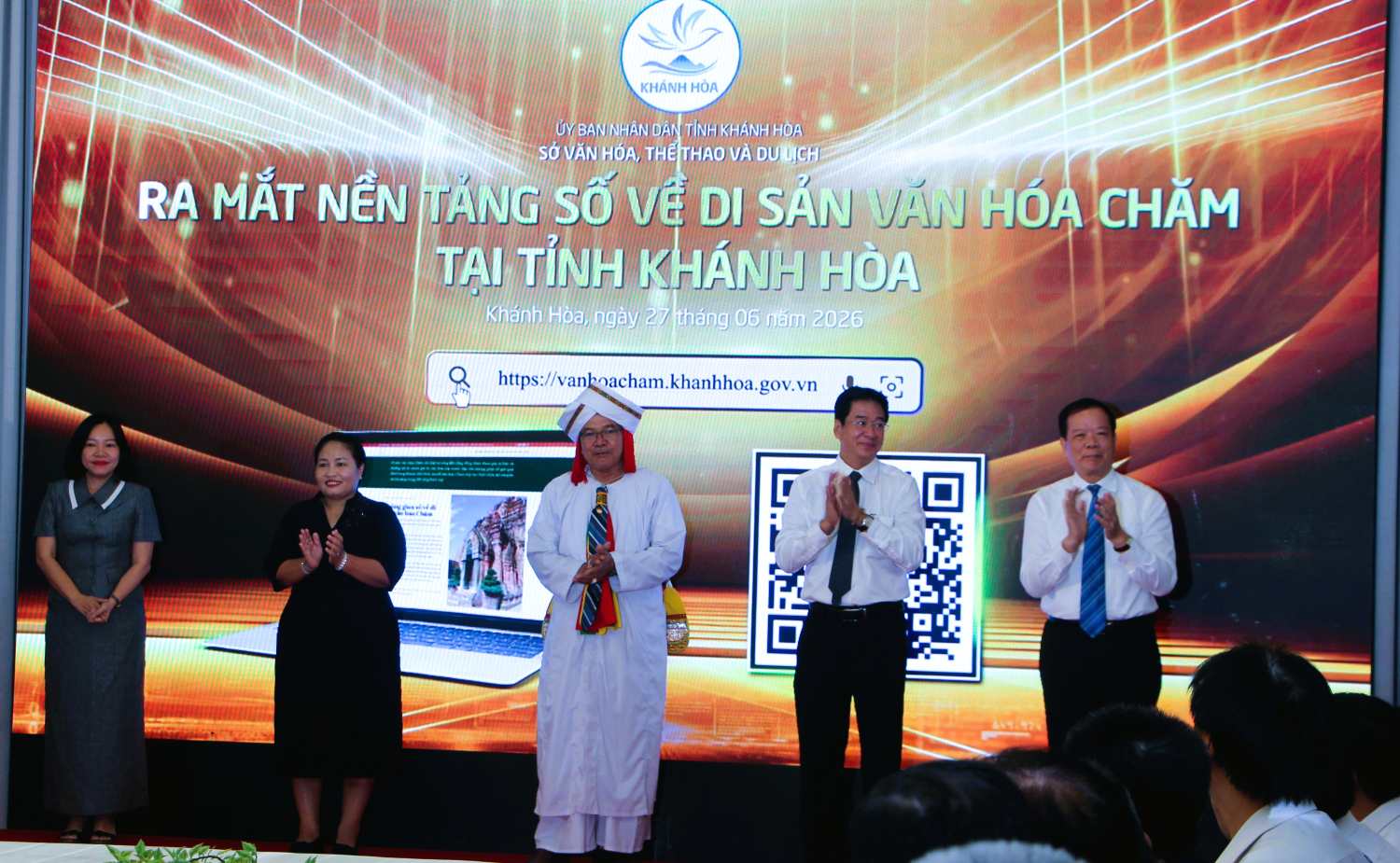
The highlight of the conference was the official launch of Khanh Hoa Cham Cultural Heritage Digital Platform and an online exhibition at www. vanhoacham. khanhhoa. gov. vn.
This is an important step forward in digital transformation in the cultural field, contributing to bringing Cham heritage values closer to the public.
Speaking at the opening ceremony, Standing Vice Chairman of Khanh Hoa Provincial People's Committee Nguyen Long Bien - Head of the Organizing Committee of the 6th Cham Ethnic Culture Festival emphasized that the preservation and promotion of Cham cultural values needs to be linked to tourism development. Thereby, creating economic resources and improving people's lives.
According to delegates, Cham culture is a distinctive part of the Vietnamese cultural flow. This is reflected in the system of ancient temples and towers, architectural and sculptural art, festivals, beliefs, writing, music, performing arts and many traditional crafts.
Many Cham heritages have become attractive destinations for domestic and foreign tourists such as Cham towers in Khanh Hoa, Lam Dong, Gia Lai, Dak Lak; My Son historical site; Da Nang Cham Sculpture Museum; and Bau Truc pottery and My Nghiep weaving villages.
In particular, the Cham pottery art has been listed by UNESCO on the list of intangible cultural heritage in need of urgent protection in 2022, affirming the unique value of this type of heritage.
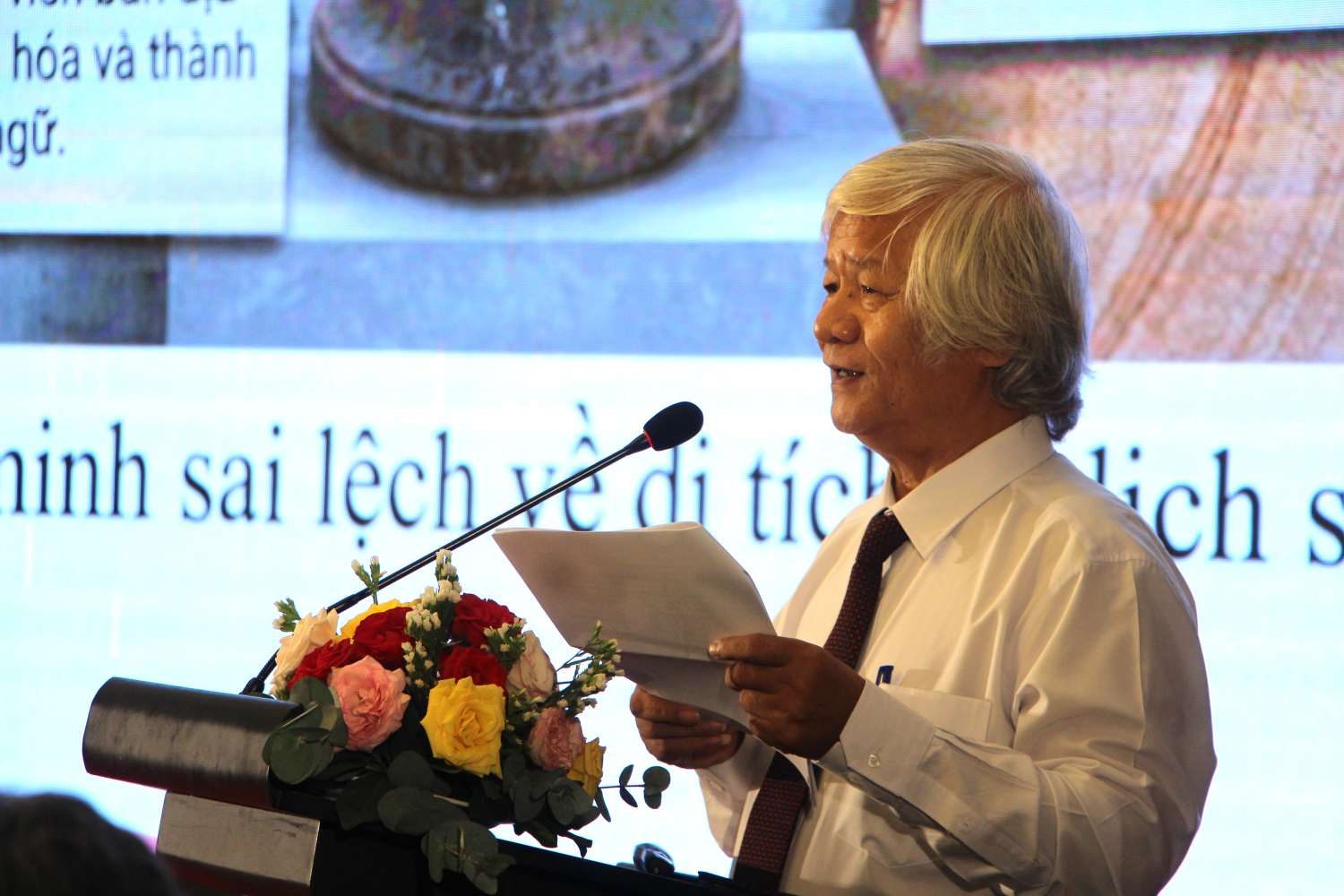
At the conference, scientists focused on discussing many solutions to preserve Cham heritage in the context of integration. In which, emphasizing the application of technology in managing and protecting relics, promoting the value of traditional craft villages and developing sustainable tourism.
The presentations also affirmed the central role of the Cham community in heritage preservation. Artisans, cultural practitioners and local residents are not only keepers but also creative subjects, transmitting cultural values through many generations.
According to the Department of Culture, Sports and Tourism of Khanh Hoa province, the Cham cultural heritage digital platform will contribute to digitizing documents, building a data warehouse to serve research, promote Cham cultural images and create an online experience space for tourists.
Experts believe that digital transformation is opening up a new approach, helping Cham heritage out of physical space limits, becoming a cultural resource with the potential to spread widely.


