
In early 2026, "50 Years Later" from a Chinese song became a phenomenon in Vietnam after the Vietnamese lyrics version performed by AI spread widely. The AI version reached about 13 million listens on YouTube and created a development that few people thought of: singers began re-singing songs that AI had made famous.
Van ly sau", "Say mot doi vi em", "Mua chieu", "Duoc", "Tu do nhu con gio" then continued to show that AI is no longer just creating products to test technology...
When listeners are used to singing without making mistakes
Musician The Dung told Lao Dong Newspaper that he paid special attention to this point. According to him, technology can process voices very smoothly, create easy high notes and offer a series of versions that suit their preferences. If listeners are exposed for enough time, those sounds can become a new standard in their ears.
This leads to a paradox. Singers have breath, have tiring days, have vocal cord limits, and have imperfect notes. AI can correct until the sound reaches exactly what the creator requires.
Musician Hamlet Truong believes that this "perfection" creates direct pressure on artists. "Machines can calculate to sing accurately each note, but cannot handle emotions in an impromptu and humane way," he told Lao Dong Newspaper.
According to musicians, it is the things that were once considered shortcomings - a slight sob, breath, a bit of choking or a change in tone based on experience - that can become values that help people distinguish themselves from AI. In other words, if the competition lies in who sings better, people are at risk of losing. But if the competition shifts to who makes the audience believe and feel more moved, the balance may not necessarily belong to machines.
Hamlet Truong warns that the worrying thing is not only that famous singers lose listens. Those who are easily affected in advance may be musicians, small producers, beat makers, arrangers or young artists who do not have their own audience community.
Previously, a store that needed music for advertising could hire a composer, a video channel that needed background music could buy beats, a young singer who wanted a song demo needed a producer. Nowadays, many of those needs can be solved in a very short time with tools like Suno.
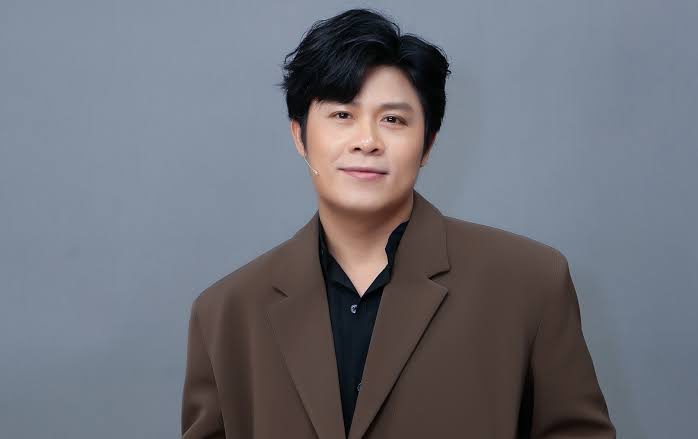
Singers must become something AI is difficult to copy
Musician Nguyen Van Chung admitted that widespread AI music of course affects artists. But he believes that there is no simple solution to reverse the phenomenon because it is "the inevitable reality of technological development".
Notably, Nguyen Van Chung did not choose to require the audience to listen to the singer. He asked the creator the opposite question: Why are they not chosen? If the audience likes a newer beat, a more convenient playlist or an AI voice that is easier to listen to, the artist also needs to review the quality of the product.
This is probably the biggest pressure AI is creating. Not just labeling "real people" will naturally be prioritized by the audience.
Musician The Dung believes that singers from now on not only need to sing well but also need to have "identity". An AI voice can be perfect, but if listeners do not know who is behind it, it is very difficult to form a fan relationship similar to an artist.
Audiences can listen to AI for hours on the bus. But to spend money to buy concert tickets, follow a 10-year career or be moved by the story behind a song, they still need people. That is also the boundary between "listening" and "admiring".
This is clearly shown through the fact that initially, the song "50 years later" sung by AI was quite attractive to the audience, however, after Vicky Nhung and Chu Thuy Quynh applied for the copyright to perform this hit, it was highly appreciated by the audience for its authenticity and emotion.
From a legal perspective, lawyer Truong Van Tuan - Trang Sai Gon Law Office - believes that the market still needs to solve more problems regarding authors, owners, training data and especially voice simulation. According to him, the law needs to continue to improve the mechanism to determine the level of creative contribution of people, the responsibility of AI users and providers as well as the right to voice control and performance characteristics of artists.


