
On June 29, the Workshop "The Face of Vietnamese Cinema in the Era of Doi Moi" took place within the framework of the 4th Da Nang Asian Film Festival (DANAFF IV).
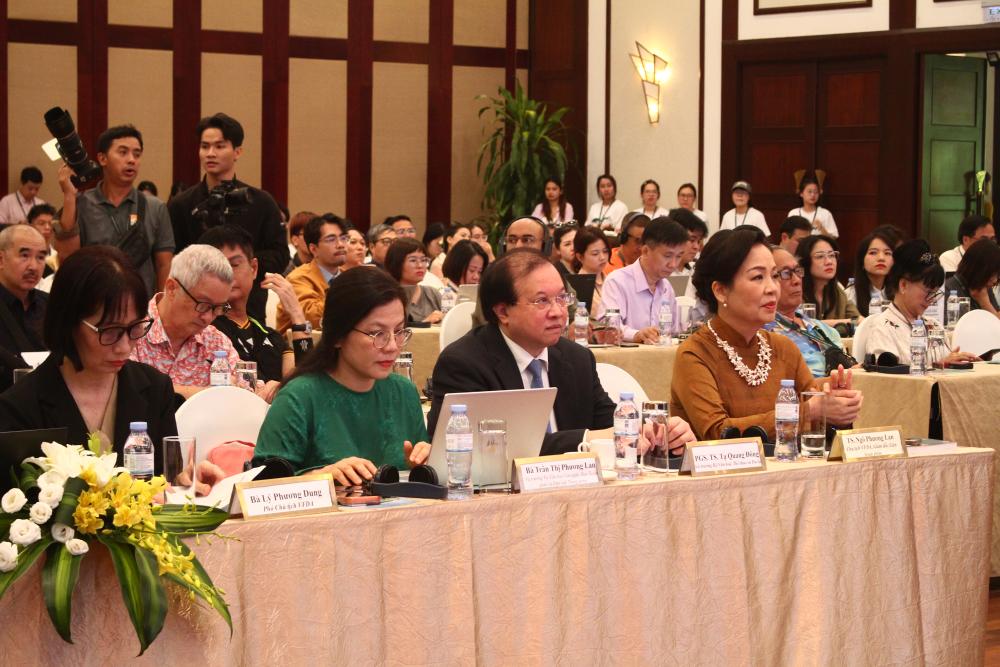
The event is an academic and professional forum gathering managers, researchers, directors, producers, film artists and many domestic and foreign experts to review the development journey of Vietnamese cinema since the Doi Moi (Renovation) in 1986.
Speaking at the conference, Mr. Ta Quang Dong, Deputy Minister of Culture, Sports and Tourism, said: "Forty years of Doi Moi has created profound changes in all areas of social life. In that process, cinema is one of the art forms that most vividly reflects the changes of the country and people of Vietnam".
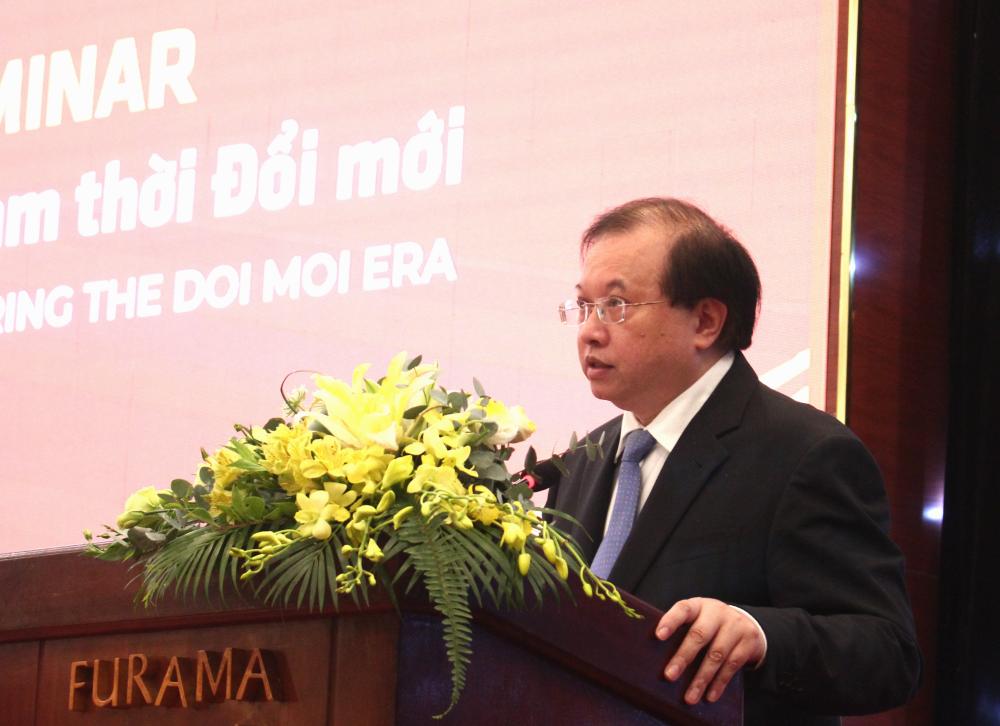
The Deputy Minister also emphasized that in the context of digital transformation and the fourth industrial revolution taking place strongly, cinema needs to be seen as a converging field between culture, technology and creative industry.
From the perspective of state management, the Ministry of Culture, Sports and Tourism identifies the task not only as management but also as development creation. Continue to improve institutions, create a favorable environment for creativity, promote cooperation between the State, businesses and artists, and at the same time support Vietnamese cinema to participate more deeply in the global cinema value chain.

The Deputy Minister highly appreciated the fact that DANAFF and the Vietnam Association for Promotion of Cinema Development chose the theme "The Face of Vietnamese Cinema in Doi Moi" for the conference. This is a particularly meaningful theme in the context of the country looking back at the 40-year Doi Moi journey and preparing to enter a new stage of development.
In particular, the conference aims to comprehensively assess the outstanding achievements of Vietnamese cinema in the renovation period. From there, contributing to identifying the core values that have shaped the face of national cinema in the contemporary context.
At the same time, this is also an opportunity for filmmakers, scholars and international experts to share experiences, strengthen professional connections and expand cooperation possibilities in the future.
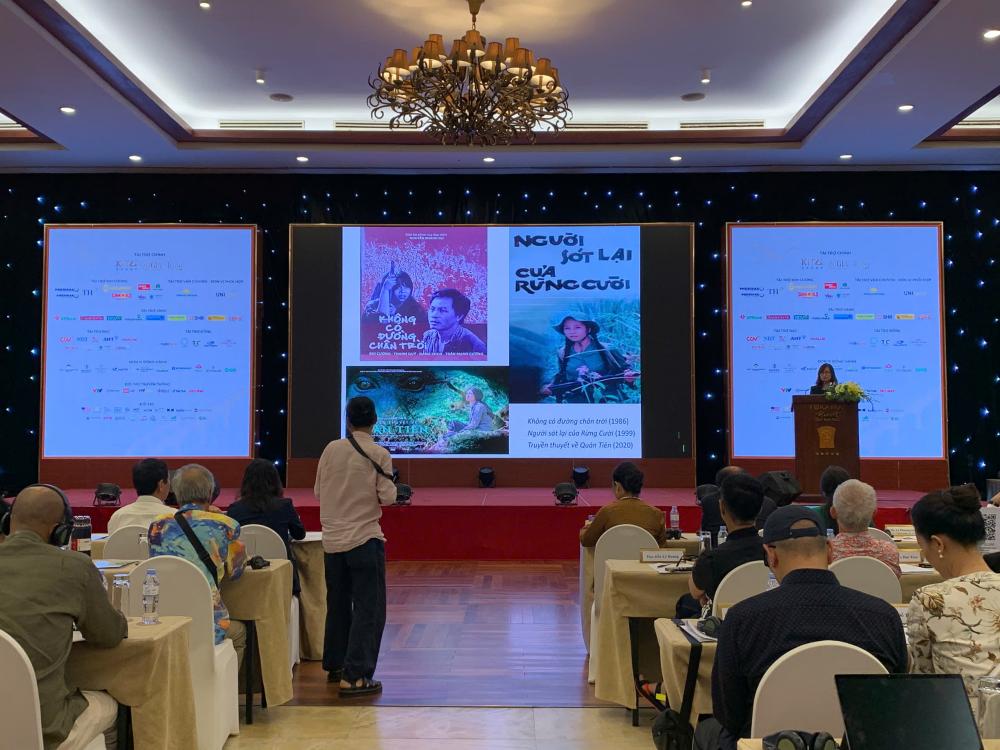
In nearly four decades, Vietnamese cinema has witnessed profound changes in creative thinking, production models, operating mechanisms and methods of approaching audiences. From works rich in artistic and humanistic values to commercially successful films.
From filmmakers of the first renovation generation to contemporary young authors, Vietnamese cinema has gradually affirmed its own identity, while expanding its presence at film festivals and international film markets.


