
On February 25, at the Go Thi Thung Tunnels National Historical and Cultural Relic Site (Tuy An Tay commune, Dak Lak province), the Provincial Department of Culture, Sports and Tourism organized a traditional horse racing festival to welcome the new spring.
This is a unique festival held annually on the 9th day of the first lunar month on the occasion of Tet and Spring, attracting thousands of people in the province and tourists from all over to watch and cheer.
This year's Go Thi Thung horse racing festival takes place with many special points. This is also the first time the event has been organized after merging administrative units with the name Dak Lak province.
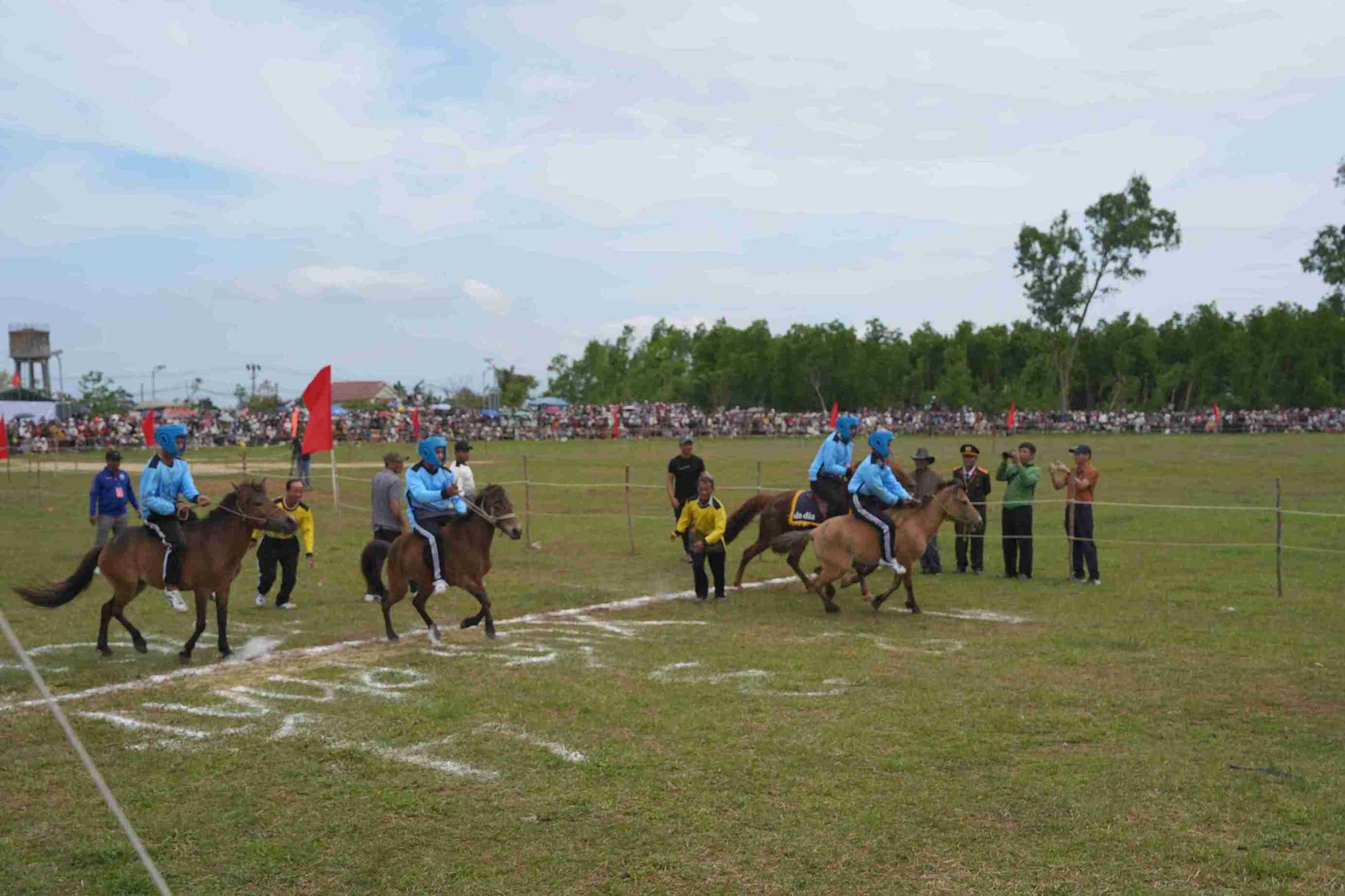
This year's festival is even more meaningful as it coincides with the year of Binh Ngo, attracting a large number of people and tourists to enjoy it. From early morning, thousands of people flocked to participate in the festival, enjoying exciting, attractive and exciting races.
The event was attended by 16 riders, divided into four teams competing in two rounds. The riders controlled 16 horses from 16 villages of Tuy An Tay commune.
In the morning races, many riders created dramatic and attractive competitions. However, there were also funny situations that made the audience laugh.
For example, horses only run a lap and then stop, not continuing to compete; some gallop and throw riders off the track; some are on the race track and suddenly stop to graze.
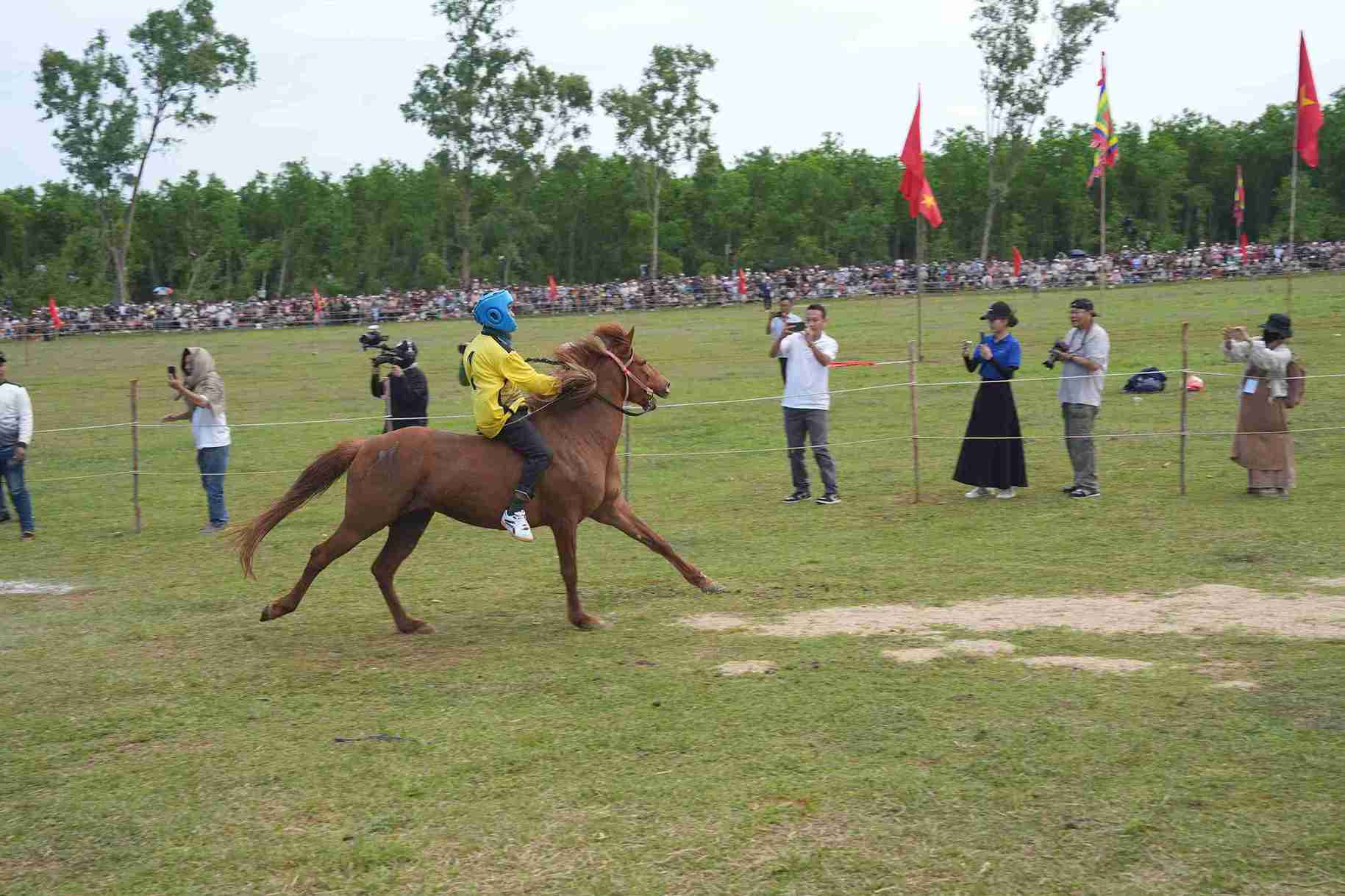
Mr. Nguyen Le Vu, Deputy Director of the Department of Culture, Sports and Tourism of the province, said: "The event is a unique and distinctive cultural and sports activity of Tuy An Tay region in particular and Dak Lak province in general.
The special feature of the Go Thi Thung Horse Racing Festival is clearly shown in the'farmer riders' who control the horses carrying goods, which are attached to the fields all year round. When entering the racetrack, they become strong and enthusiastic'war horses'.
According to Mr. Vu, to create exciting and lively moments on the race track, the "farm horse riders" took advantage of the time to both work and train horses.
That image is a vivid symbol of the resilience, persistent will and courage of people in a land rich in revolutionary traditions.
This is not only a competition between riders, but also a glorification of working life, reflecting the long-standing cultural identity of the locality.


