
In the thematic exhibition space "80 years of the National Assembly of Vietnam - Imprints, beliefs and hopes" in Hai Phong, the stream of people quietly slowly walked through clusters of documents, artifacts, and images that have been stained with time.
More than 300 typical documents and artifacts introduced not only recreate the journey of formation and development of the Vietnamese National Assembly from the first General Elections in 1946, but also vividly reflect the operation of the People's Council of Hai Phong City through historical periods.
In the midst of that space, Mr. Dang Thanh Long, residing in Le Thanh Nghi ward, stopped for quite a while before the images of the first general election day of Vietnamese independence.
Mr. Long was born in a period when the country had entered the next stages of history, not directly witnessing January 6, 1946. However, through books, through the stories of previous generations and through the documents being displayed, memories of the first General Election still clearly appear in his feelings.
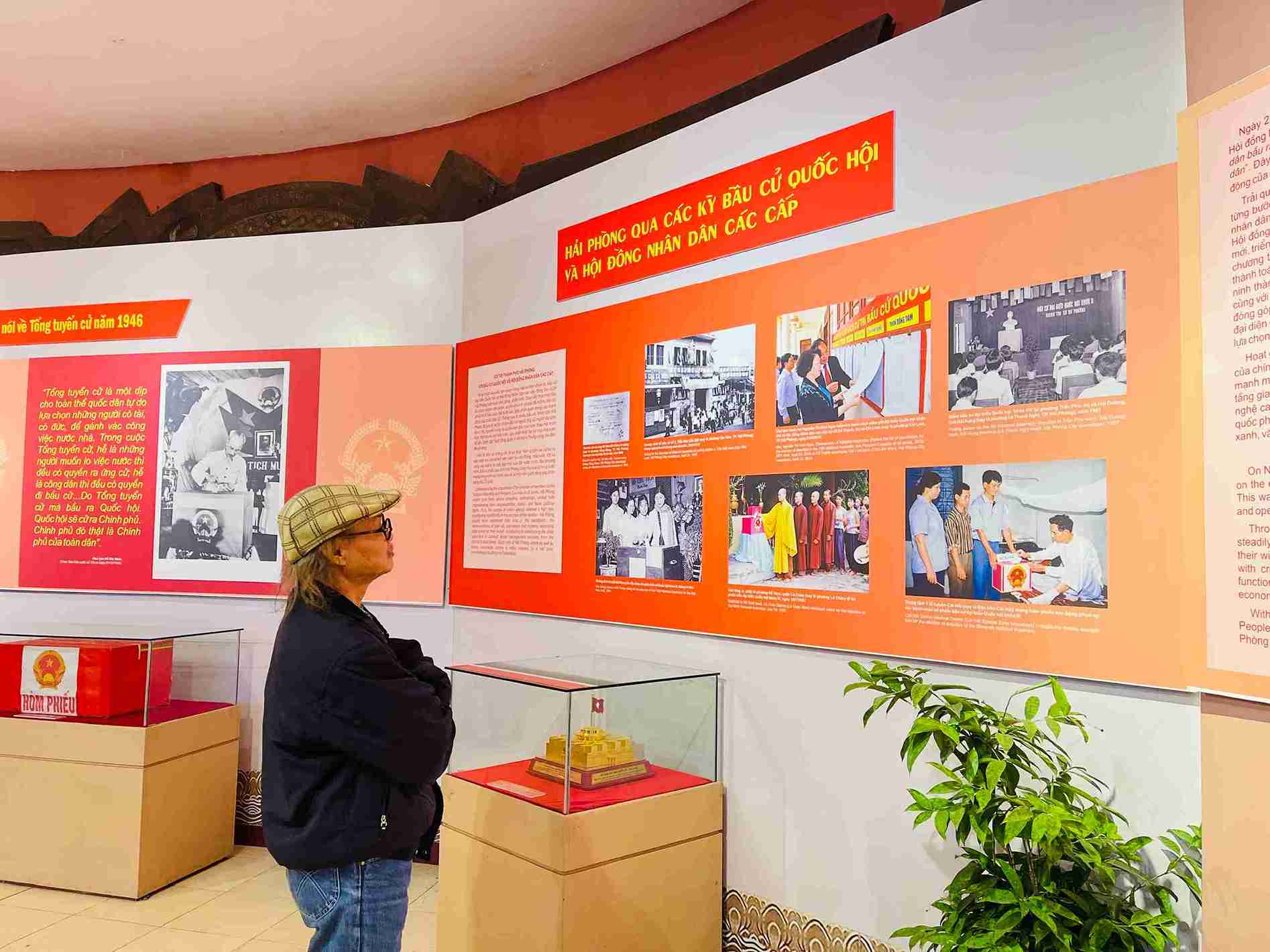
I was born when the country had passed that historical moment, but the stories about the first General Election are always recalled as a very special milestone, to remind each citizen to understand that the right to vote is the right to mastery, not something naturally occurring" - Mr. Long shared.
In the context that the country had just gained independence, countless difficulties piled up, the successful organization of the first General Election laid the foundation for the revolutionary State apparatus, affirming the truth: State power belongs to the People.
Looking at the sample ballots, voter cards, and photos of people queuing to vote on display, Mr. Long said that the greatest value of the 1946 General Election lies not only in the results of the National Assembly election, but also in sowing the seeds of civic consciousness for future generations.
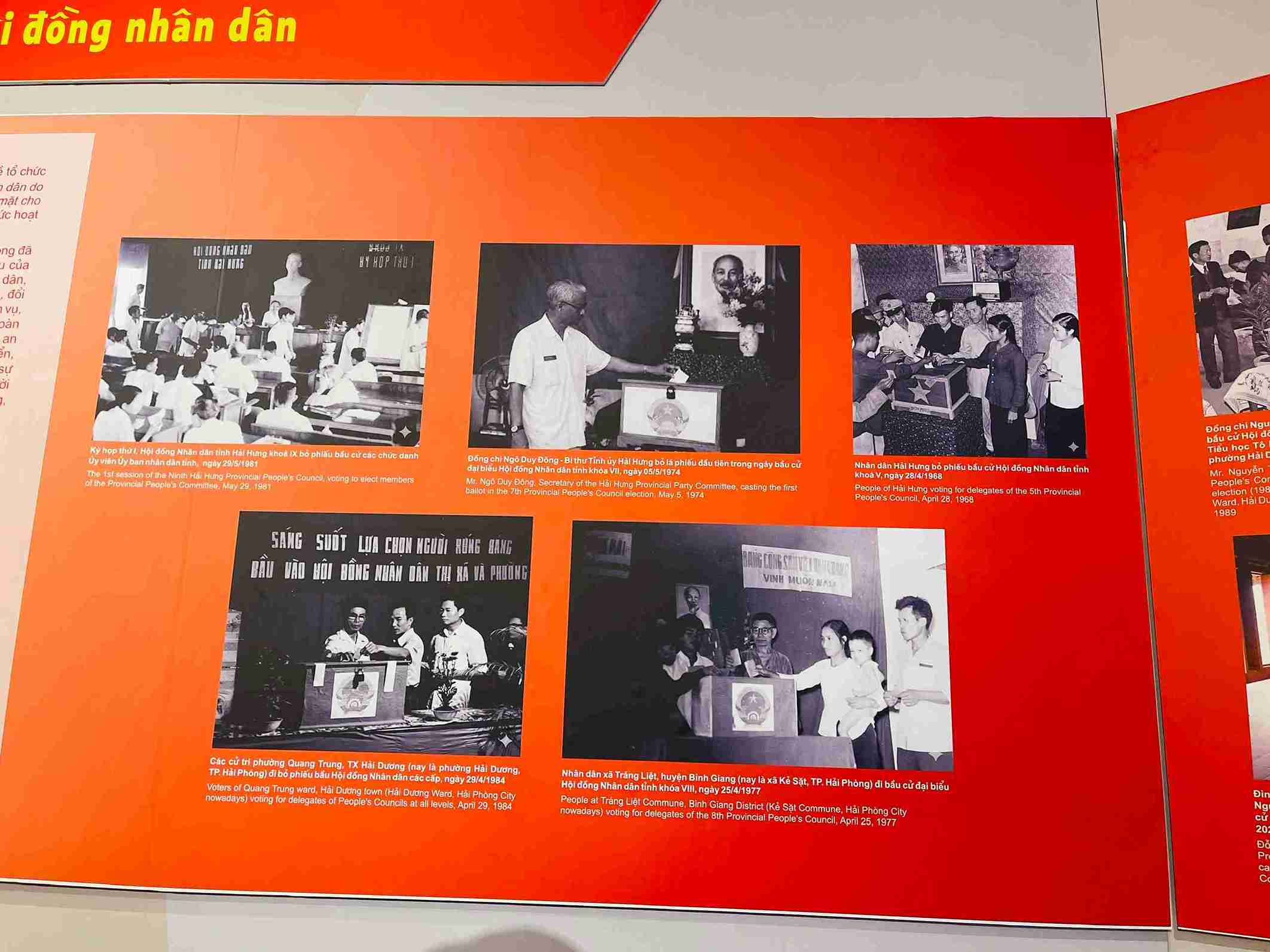
As a son of Hai Phong, Mr. Long is particularly interested in the display area reflecting the activities of the City People's Council through each stage.
These images and documents help him better visualize the role of elected agencies in conveying the will and aspirations of the People into local development policies, from the years of war to the period of construction and renovation today.
For Mr. Long, the exhibition is not only an opportunity to look back at the history of the Vietnamese National Assembly, but also an opportunity for each citizen, especially the young generation, to better understand the value of votes and citizen rights that previous generations have built. "Not everyone lives in that historical moment, but everyone is inheriting its achievements" - he said.
Leaving the display space, Mr. Long said that "80 years of the National Assembly of Vietnam - Imprints, beliefs and hopes" not only tells the story of the past, but also reminds today of the responsibility of each citizen in preserving and promoting democracy, so that the people's trust in the National Assembly and the State continues to be nurtured through each generation.


