
When artists cross the line of artistic creation
In the early days of August, the story of rapper MCK proactively removing many songs from the HVL album after working with the Ho Chi Minh City Department of Culture and Sports became a topic of interest to the music scene.
MCK's album reached millions of listens but caused controversy because of vulgar lyrics, images suggesting stimulants and a deviant lifestyle. After working with management agencies, the male rapper admitted to being irresponsible in choosing words and committed to editing before re-release.
Previously, Jun Pham also removed the MV Truth or Dare because some images were said to evoke sexual associations. The male singer and his crew coordinated with management agencies to review, and affirmed that they did not intentionally promote negative values.
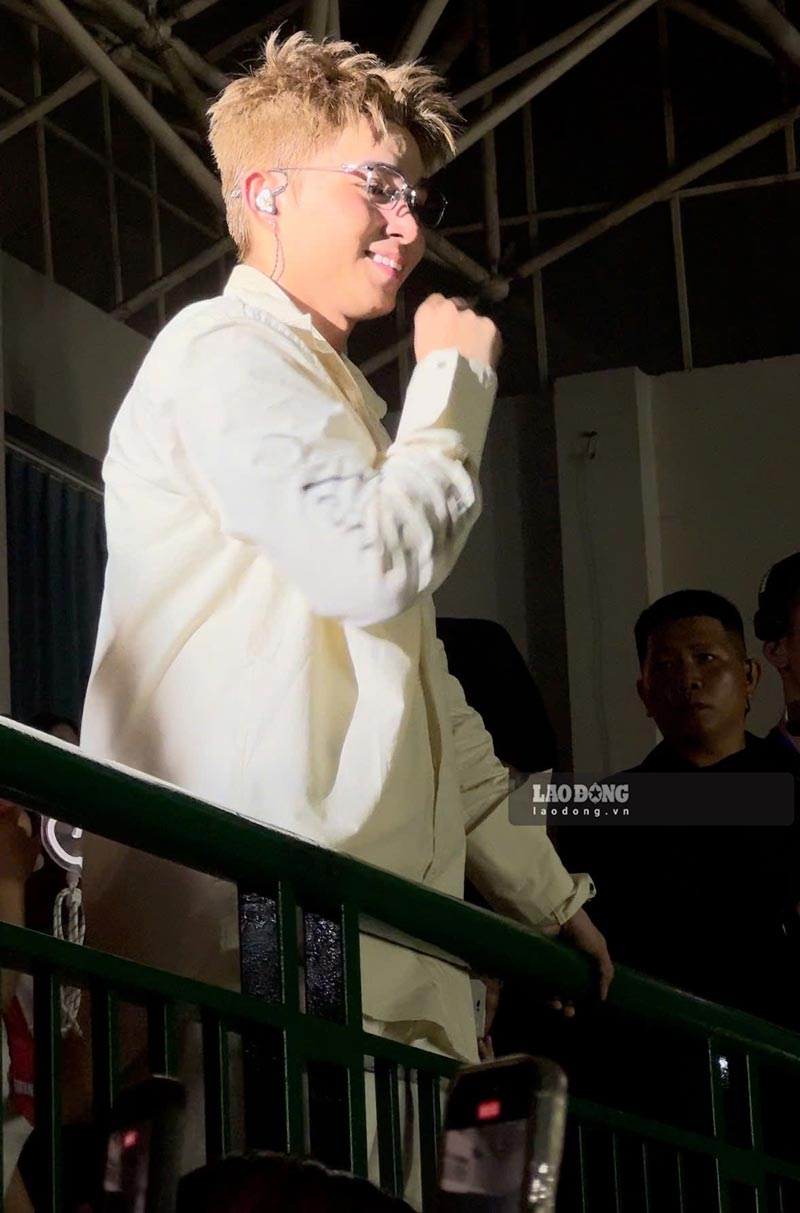
Jack was administratively sanctioned and suspended from performing for 9 months for performing a song outside of the licensed content, with lyrics judged to be contrary to fine customs and traditions. After that, the male singer apologized and committed to reviewing creative activities to ensure compliance with regulations.
Although different in time, genre and expression, the above cases all show that the art product has exceeded the limit, forcing management agencies to intervene and artists to adjust.
Controversy over lyrics and images in music is becoming a noteworthy issue in the entertainment market. In the digital age, a song can reach millions of people in just a few hours, causing greater social impact than before. Therefore, creative freedom must go hand in hand with community responsibility and compliance with the law.
Standards cannot be exchanged for attention
Popular music always needs new experiments. Rap, hip hop or modern music genres all encourage artists to express personal perspectives, break stereotypes and create their own identity. However, difference does not mean using vulgar language or shocking images as a way to attract attention.
A song can reach millions of listens, enter domestic or international charts, but those achievements cannot become a reason to ignore inappropriate elements in terms of content.
In the field of performing arts, the responsibility of artists is not only to create new works but also to consider the impact of works on the general cultural environment.
On online platforms, music is easily accessible to both teenagers and children, while the age of listeners is difficult to control. Therefore, controversial lyrics and images are no longer personal choices but directly related to the social responsibility of artists.
Notably, in all three cases of MCK, Jun Pham and Jack, the common point is that artists all choose to adjust or remove products after controversy occurs. This shows a more positive trend in the behavior of professionals when they are willing to absorb opinions and coordinate with management agencies.
However, in the long term, the important thing is not to correct mistakes after the product has been released, but to raise awareness right from the creative stage.
Media expert Hoang Van - CEO of Clover Media Company commented: "A sustainable music industry is not only measured by the number of listens, positions on the charts or the ability to create trends. The value of music lies in contributing to building a cultural life, spreading positive messages and creating aesthetic standards for the public.
Creativity is only sustainable when it complies with the law, is associated with social responsibility and cultural values. This is a lesson from recent controversies about music products.
The Department of Performing Arts and the Department of Radio, Television and Electronic Information (Ministry of Culture, Sports and Tourism) request strict handling of out-of-standard songs and offensive lyrics. Director of the Department of Radio, Television and Electronic Information Le Quang Tu Do emphasized that it is necessary to rectify activities in cyberspace, especially cross-border platforms, in order to limit negative impacts on the community and young people. Artists have great influence, so they must be exemplary in their statements and actions.


