
On the concert night, the Hanoi Conservatory of Music auditorium was empty. When the final chorus of Rhapsody on a Theme of Paganini echoed and then completely faded, the auditorium was silent for a few seconds before applause flared up.
For many viewers, this is not only a favorite performance, but a rare time Rachmaninov's Rhapsody is performed fully, with a clear structure, from beginning to end.
Rhapsody on a Theme of Paganini was composed by Sergei Rachmaninov in 1934, when he settled in the United States and entered the late stages of his career.
For many viewers, Paganini Rhapsody is often remembered through Variation 18 - a lyrical variation so famous that it has escaped its own context. But listening to the entire work reveals that Rachmaninov did not write a piece of music to please emotions.
This is a dangerous conversation, where the piano and orchestra constantly dialogue, mockery and scrutinize each other; where beauty appears like fragile moments. Therefore, the direction of Rhapsody on a Theme of Paganini is very different between the conductors.
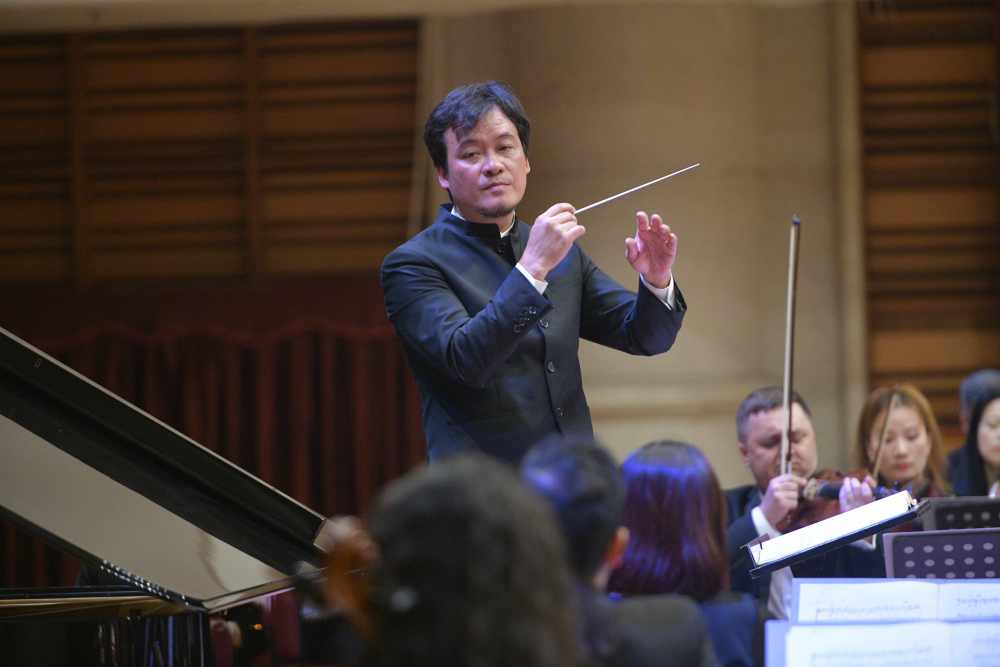
Choreographer Nguyen Khac Thanh does not seek to compete directly with classical versions, but chooses a more discreet approach: reading Rachmaninov like a music architect. Right from the early variations, he establishes a stable tempo axis - which is especially important for a work full of l’istesso tempo instructions, where the feeling of movement is very easy to deceive the ears. The orchestra is led soberly, not caught up in the "performance" of Paganini like a technical circus.
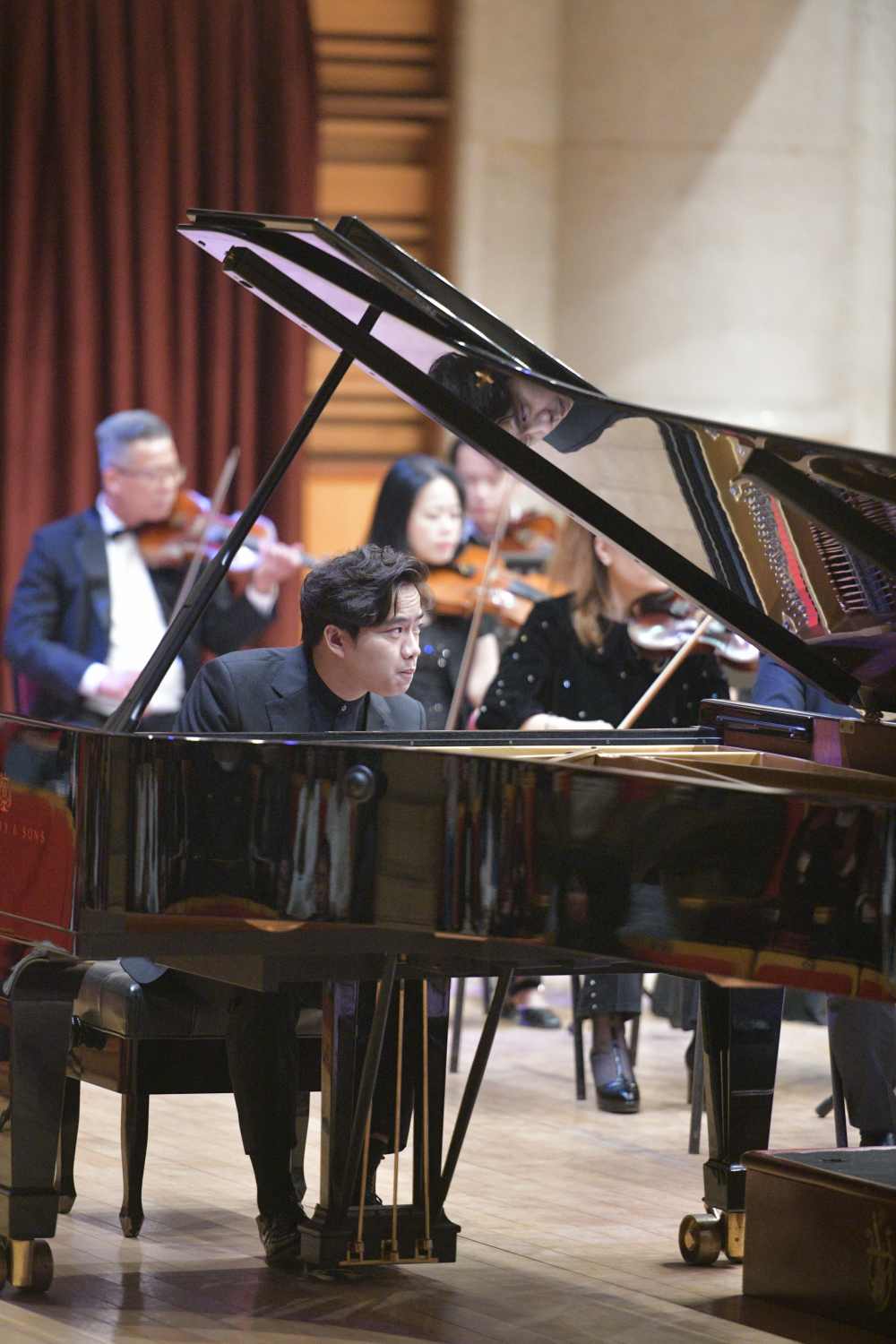
This commanding style is closely linked to pianist Nguyen Viet Trung's performance. Trung did not seek to dominate the orchestra. His piano sound was concise, clear, controlled hand force, and gave a lot of space for dialogue. The piano did not lead the entire dien bien (development/course), but responded to each layer of sound from the orchestra.
This coordination is clearly shown in the central variations, where the piano and orchestra continuously change their main positions. Nguyen Khac Thanh maintains a very disciplined rhythm, helping the bands enter accurately and keeping the work flow unbroken.
The transitions between variations take place seamlessly, without being overemphasized. It can be said that the Hanoi public was lucky when this piece of music found a conductor with a suitable commanding personality, respecting structure and tightness.
The aesthetic peak of the song, of course, lies in Variation 18. In this variation, Rachmaninov reverses the Paganini melody and switches to the truong Re voice, creating one of the most famous lyrical passages of the 20th century. Many performances choose to slow down the rhythm, thicken the strings and let the piano push emotions to the highest level.
Nguyen Khac Thanh does not follow that direction. The tempo of Variation 18 is kept stable, without excessive stretching. The strings play softly but do not cover the entire sound space. The piano maintains a clear melody, without overemphasizing romance. The climax reaches the right place, then closes neatly.
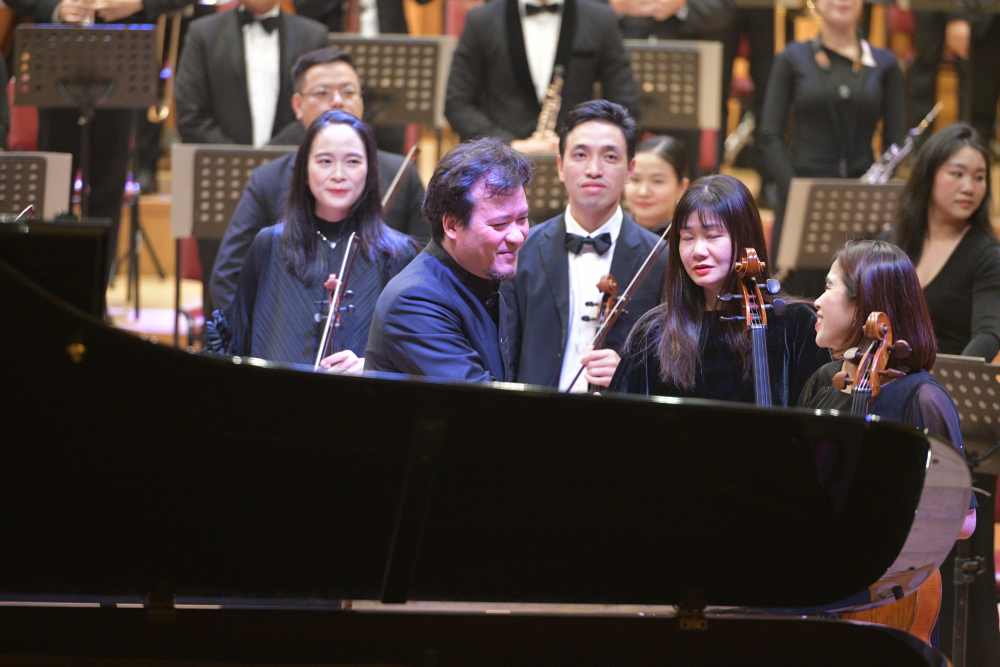
This handling makes Variation 18 not a separate "stopping point", but still within the overall flow of the work. When subsequent variations return to the satirical tone and the appearance of Dies Irae, the musical logic is preserved.
In the ending, where Rachmaninov finished the work with a gesture that was almost a joke, Nguyen Khac Thanh chose a decisive ending. No prolonged aftertaste, no more climax. The orchestra stopped in the right place.
For the Hanoi public, the concert is not just an opportunity to listen to a famous work. It is an approach to Rhapsody on a Theme of Paganini as a whole - where each variation has its place, and where beauty only appears when the structure is respected.


