
The stone roof of Ban Mon village, Thuan Chau commune, about 1.2 hectares wide, is an early- discovered archaeological site in the Northwest, preserving traces of prehistoric residents about 10,000 years ago.
In 1927, French archaeologist Madeleine Colani excavated and discovered many stone tools, jewelry and resident traces.
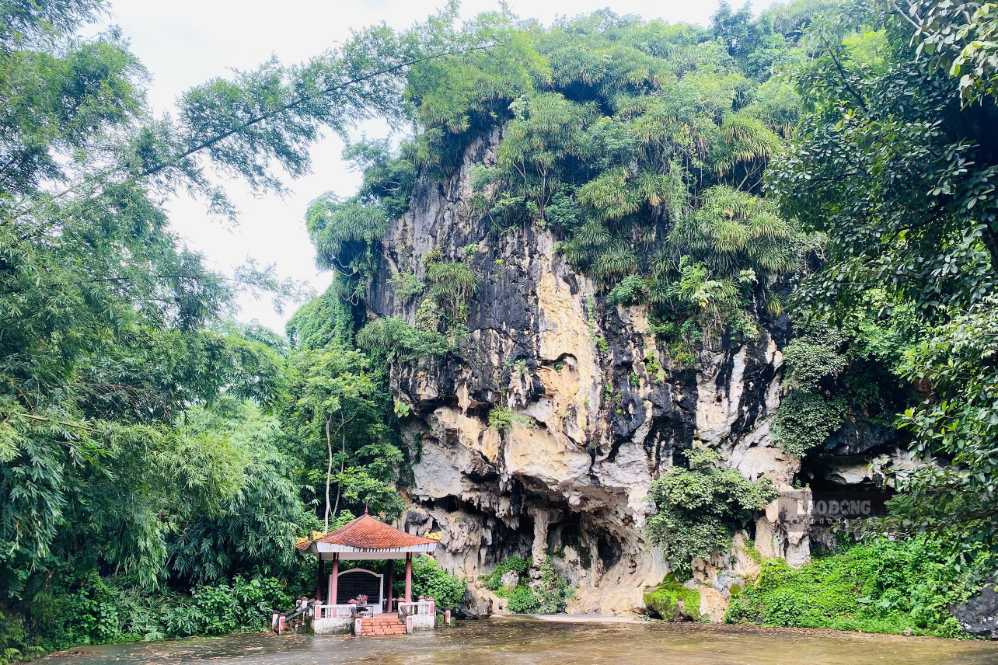
In 2021, the excavation continued to discover 2 graves, more than 1,000 stone artifacts and nearly 2,000 ceramic pieces, showing that the Stone Roof of Ban Mon used to be the residence, tool making and burial place of prehistoric residents.
On March 20, 2023, the relic was ranked as a National Relic by the Ministry of Culture, Sports and Tourism.
The stone roof of Ban Mon is also associated with revolutionary history, once sheltering cadres, gathering food, and evacuating agencies during the resistance war against France and the United States.
Currently, relic protection is facing difficulties due to intercropping production and living land of people. Mr. Quang Van Hoa, relic manager, said that about 14 households are using land for gardening, growing bananas, and animal husbandry. Some households erect fences and nets, causing the relic space to be divided, and the landscape has not been ensured.
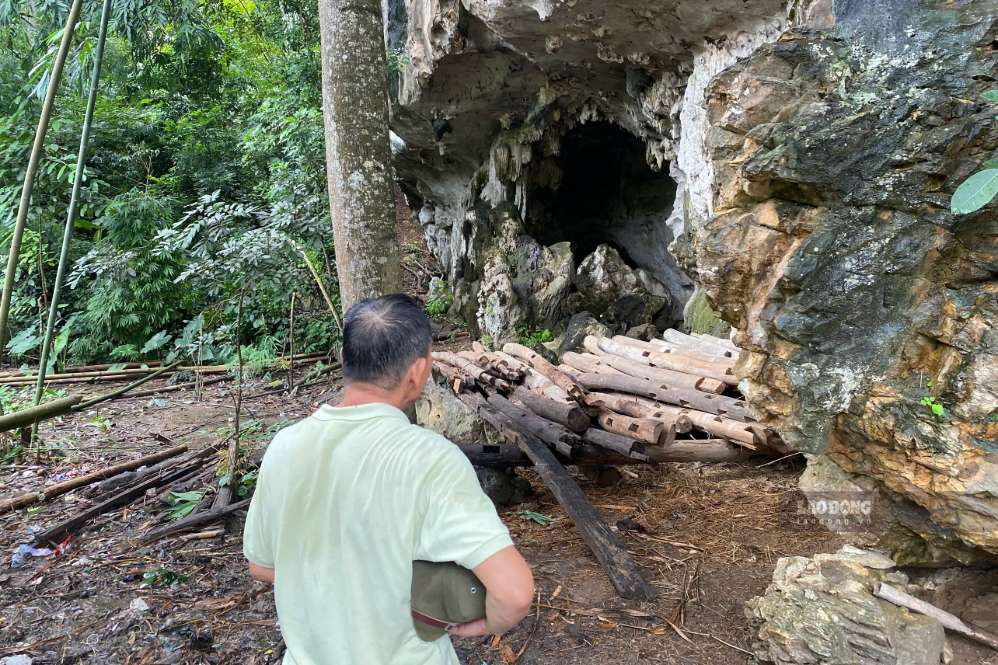
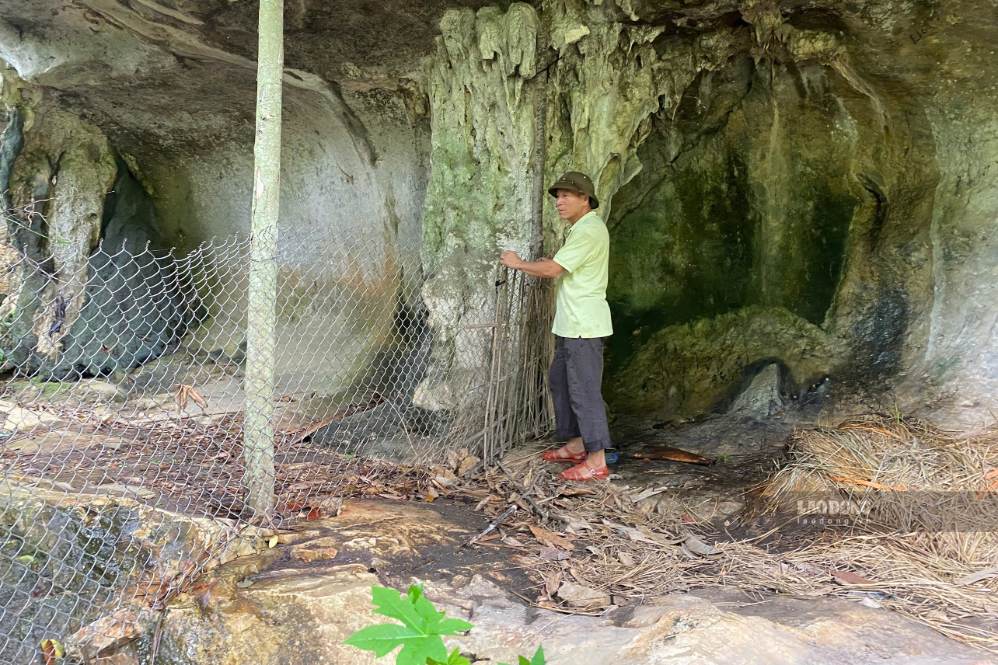
Right in the relic area, Ms. Lo Thi La, a resident of Mon village, still uses stone roofs to gather agricultural tools and build pig pens. This situation has lasted for many years.
Ms. Quang Thi Nhau said that at the end of 2024, the family will encircle B40 nets around the land they are using to limit theft. If the State deploys renovation and land recovery, the family is ready to hand over the site.
According to Mr. Hoa, people hope that the government will soon plan and clearly define boundaries to manage and protect relics for the long term.
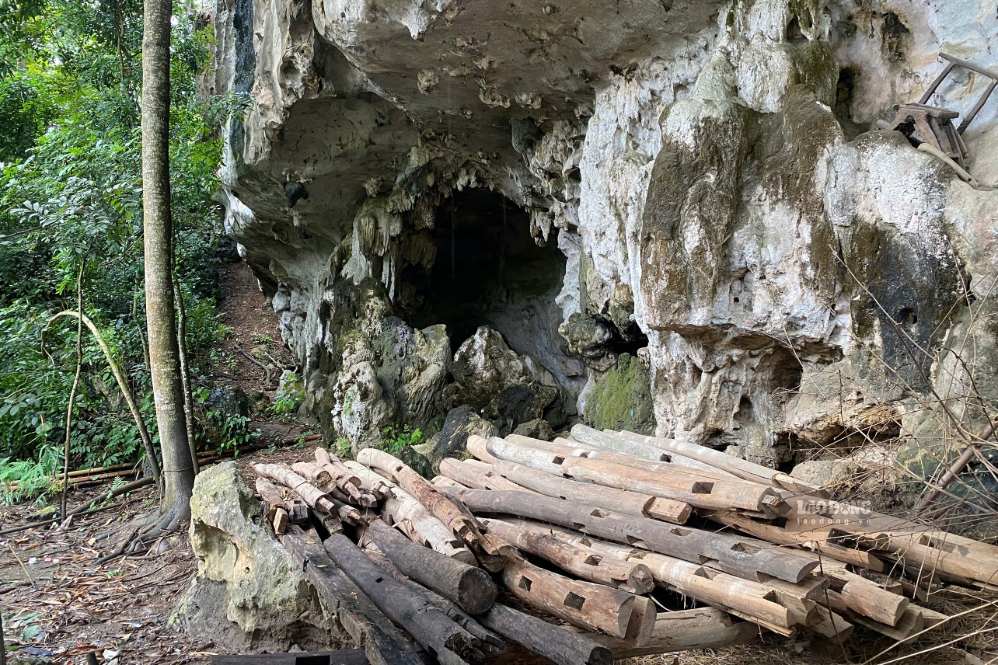
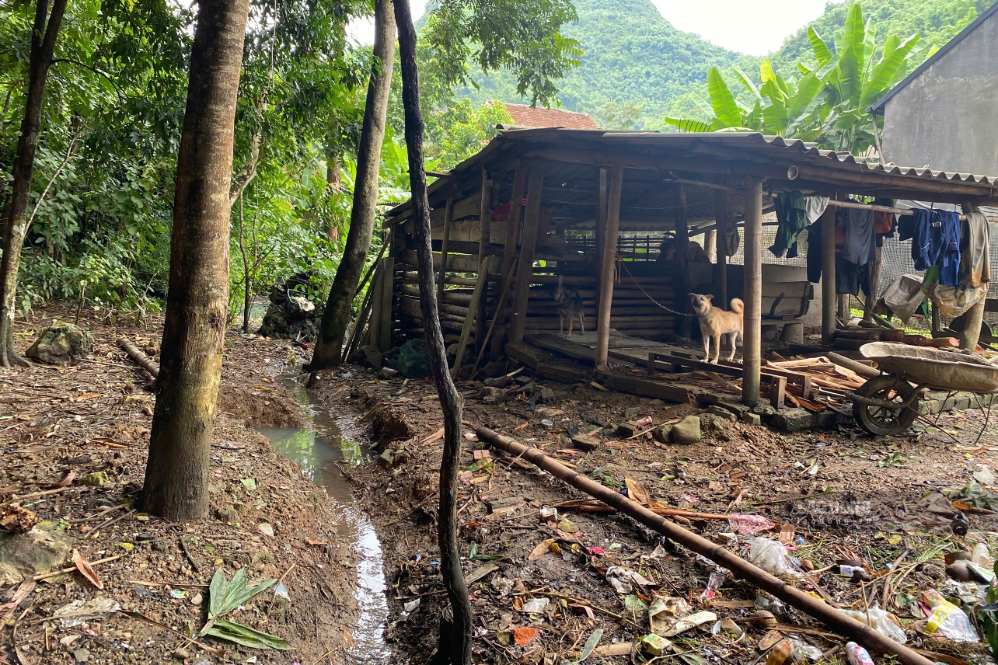
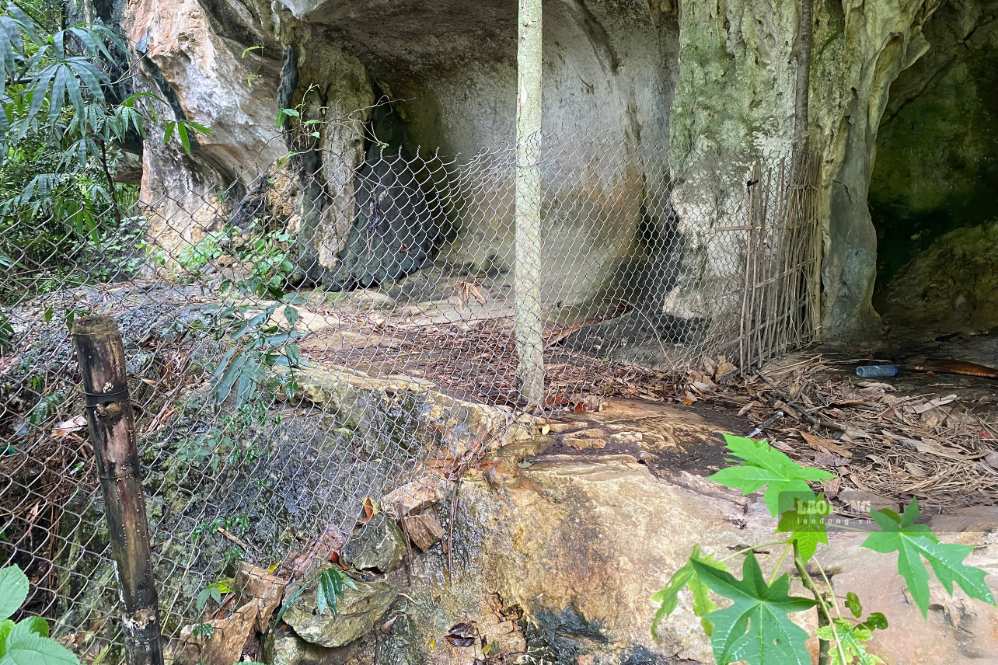
Ms. Lo Thi Van, Deputy Head of the Culture Department of Thuan Chau commune, said that the locality has reported and proposed to review the current situation, and at the same time propagate and mobilize people to comply with regulations and join hands to protect relics.
The locality proposed funding for planning, building fences, landscape embellishment and arranging forces to oversee, expected to be considered at the end of 2026.
In the immediate future, it is necessary to review land, determine the boundaries of protected areas and plant markers on the ground. For households currently using land, it is necessary to have appropriate plans for arrangement, relocation or handover of land, ensuring people's rights.
In the long term, it is necessary to have overall planning, synchronously invest in access roads, signs, introduction boards and sightseeing items, but minimize the impact on the original elements, landscape and archaeological space.
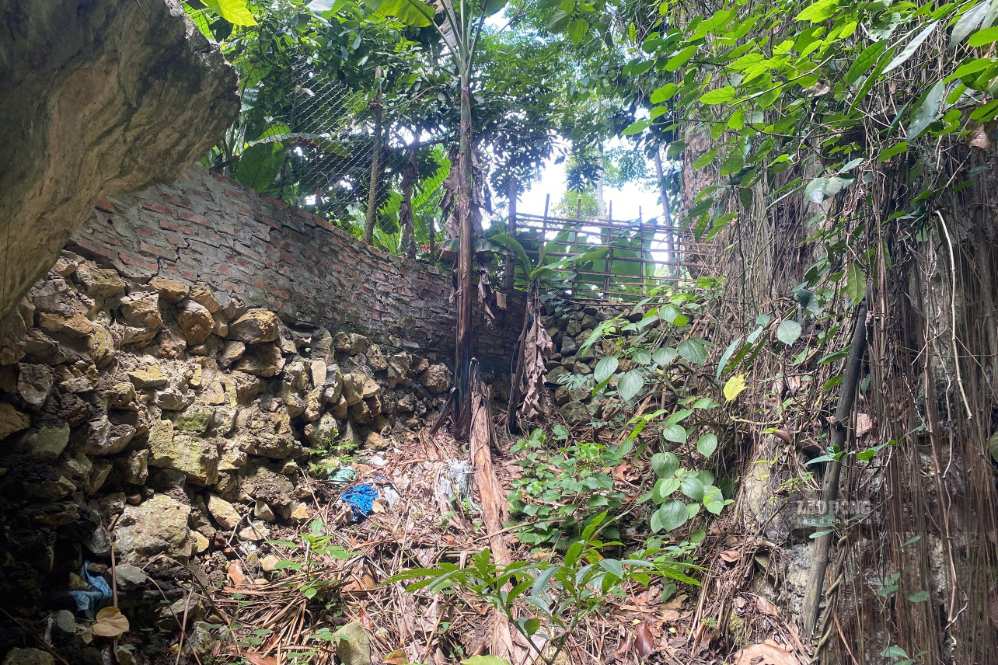
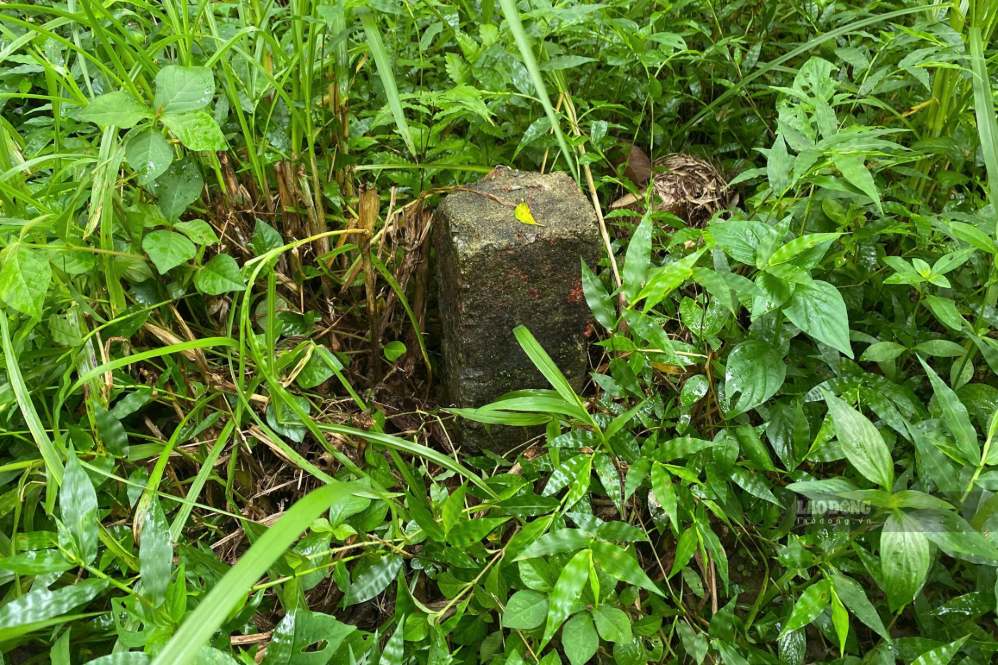
Ban Mon stone roof needs to be soon planned, defined boundaries, resolved intercropping land and invested in restoring, protecting, and promoting the value of National Relics.


