
Intellectual property must become a source of development
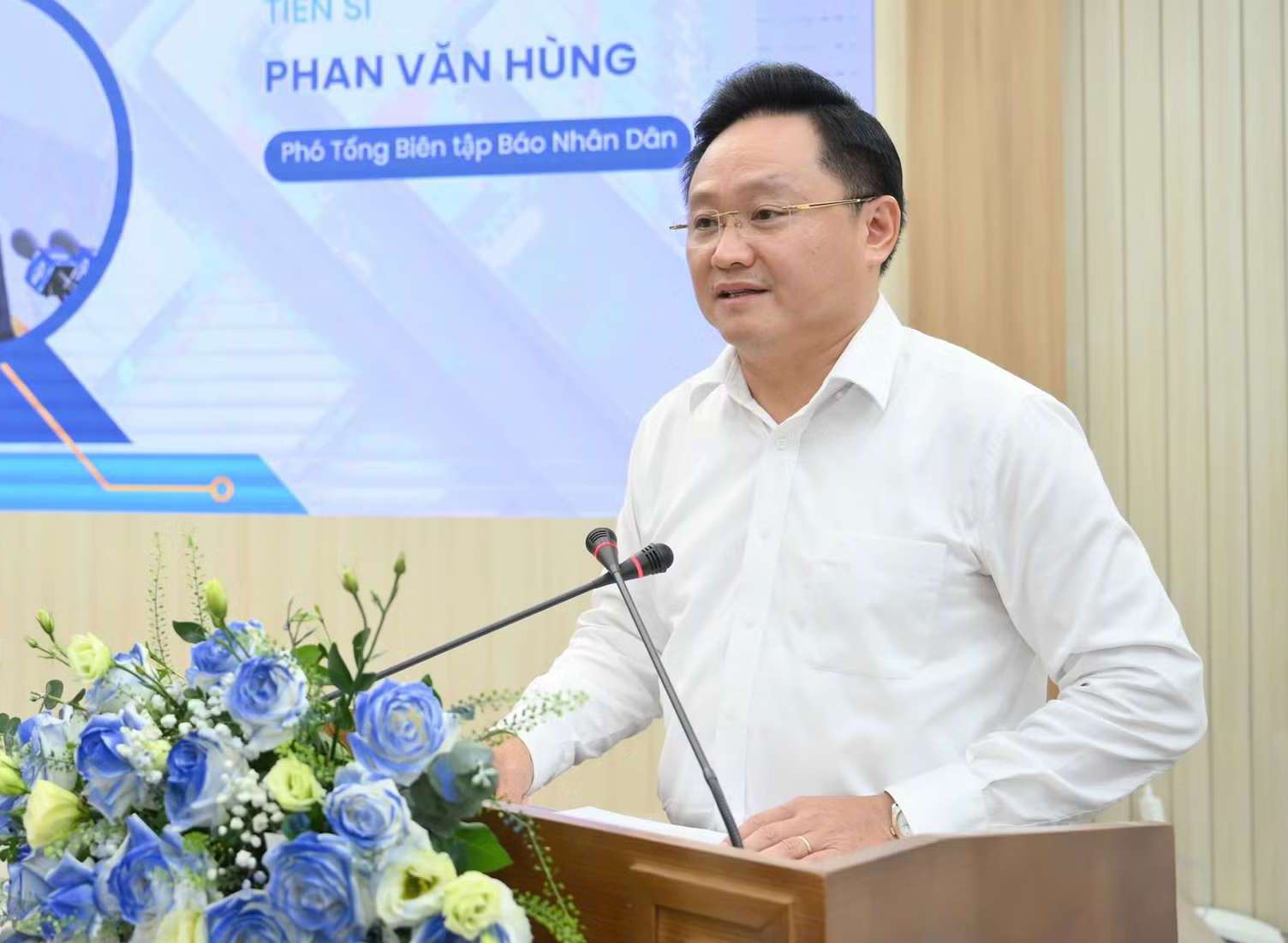
Speaking at the conference, Dr. Phan Van Hung, Deputy Editor-in-Chief of Nhan Dan Newspaper emphasized: "Intellectual property needs to be seen as a part of the institutional infrastructure for the digital economy, knowledge economy and cultural development. The core is to protect ideas, but must encourage creativity, and at the same time make intellectual property established, valued, traded and transformed into economic and social values; thereby becoming part of the national growth problem".
The approach cannot just stop at protection and prevention of violations, but must aim to exploit creative resources, form a market for intellectual products and build an ecosystem from Creation - Ownership - Distribution.
This is the spirit of Resolution No. 80-NQ/TW, Strategy for Cultural Development to 2030 and Strategy for Development of Vietnam's Cultural Industries to 2030, vision 2045, with the goal that the cultural industry contributes 7% of GDP by 2030 and 9% of GDP by 2045.
From the reality of the digital environment, Dr. Phan Van Hung proposed to shift from a single handling method to an identification, traceability, coordination and recurrence prevention mechanism. In which, it is necessary to clearly identify intellectual property, authors, and owners; and at the same time strengthen data sharing and cross-checking between management agencies, rights holders, rights representative organizations, digital platforms and technology businesses.
Notably, AI is creating many new problems for intellectual property rights, from input data to output products. According to Dr. Phan Van Hung, it is necessary to clarify whether public access to data is synonymous with being allowed to be used for AI training, as well as defining responsibilities between developers, providers, implementers and AI users.
Transparency of the copyright market, increasing management capabilities with technology
At the workshop, Mr. Quan Tuan An - Head of Management and International Cooperation Department, Copyright Office, Ministry of Culture, Sports and Tourism, analyzed the new requirements for collective management of copyright and related rights when the method of exploiting works strongly shifts to the digital environment.
According to Mr. An, Vietnam currently has 6 collective management organizations operating in different fields, playing the role of connecting rights holders with organizations and individuals who need to exploit and use works.
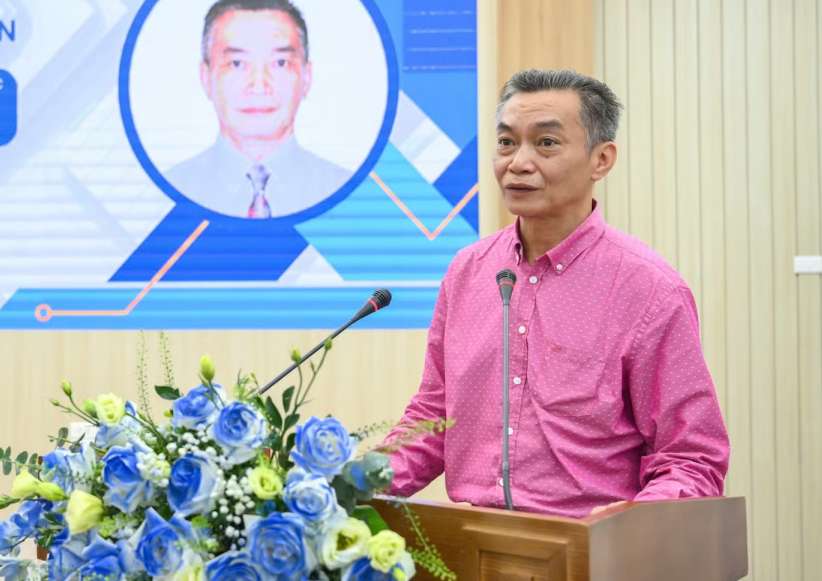
However, the digital environment allows a work to be exploited simultaneously on multiple platforms, while copying, posting and distributing take place at a very high speed. This poses a requirement to strengthen management based on data and technology.
In the collective management model, the requirement for transparency is first of all set for information about collective management organizations, rights holders and rights objects being managed. Users need to be able to access basic information such as which organization is managing rights, the scope of authorized rights, the list of works or related rights objects within the management scope and the term of authorization," Mr. An stated.
He believes that it is necessary to publicize tariffs and methods of payment for copyright fees, and at the same time improve the database and unified data standards to increase the interoperability between management agencies, collective management organizations and rights holders. For fields that simultaneously use many types of rights, the "one-stop shop" model can be studied to reduce transaction costs.
The presentations at the conference also mentioned the application of blockchain to identify works, scan the use and distribution of copyright revenue.
At the seminar, delegates agreed that it is necessary to build a rapid response mechanism between management agencies, courts, Internet service providers and cross-border digital platforms, towards managing the entire life cycle of works from establishing rights, identification, licensing to controlling and dividing benefits.


