
About 30 km from the center of Hanoi, the Museum of Revolutionary Soldiers captured and imprisoned by the enemy is quietly located in the middle of Nam Quat village, Phu Xuyen commune, like a "red address" preserving memories of the fierce years of war.
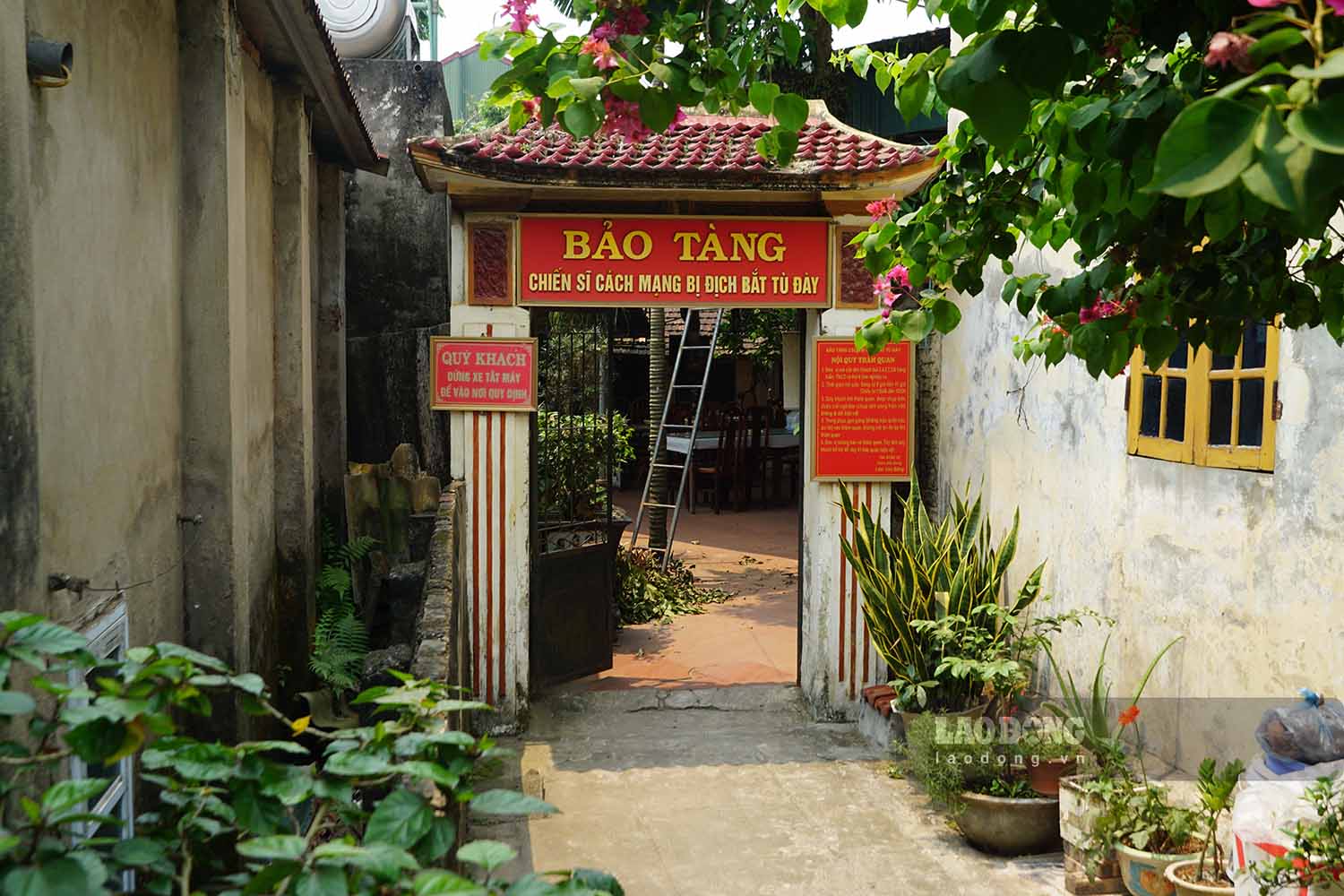
Not grand or modern, the museum has a rustic, simple appearance but contains touching stories about the will and loyalty of revolutionary soldiers.
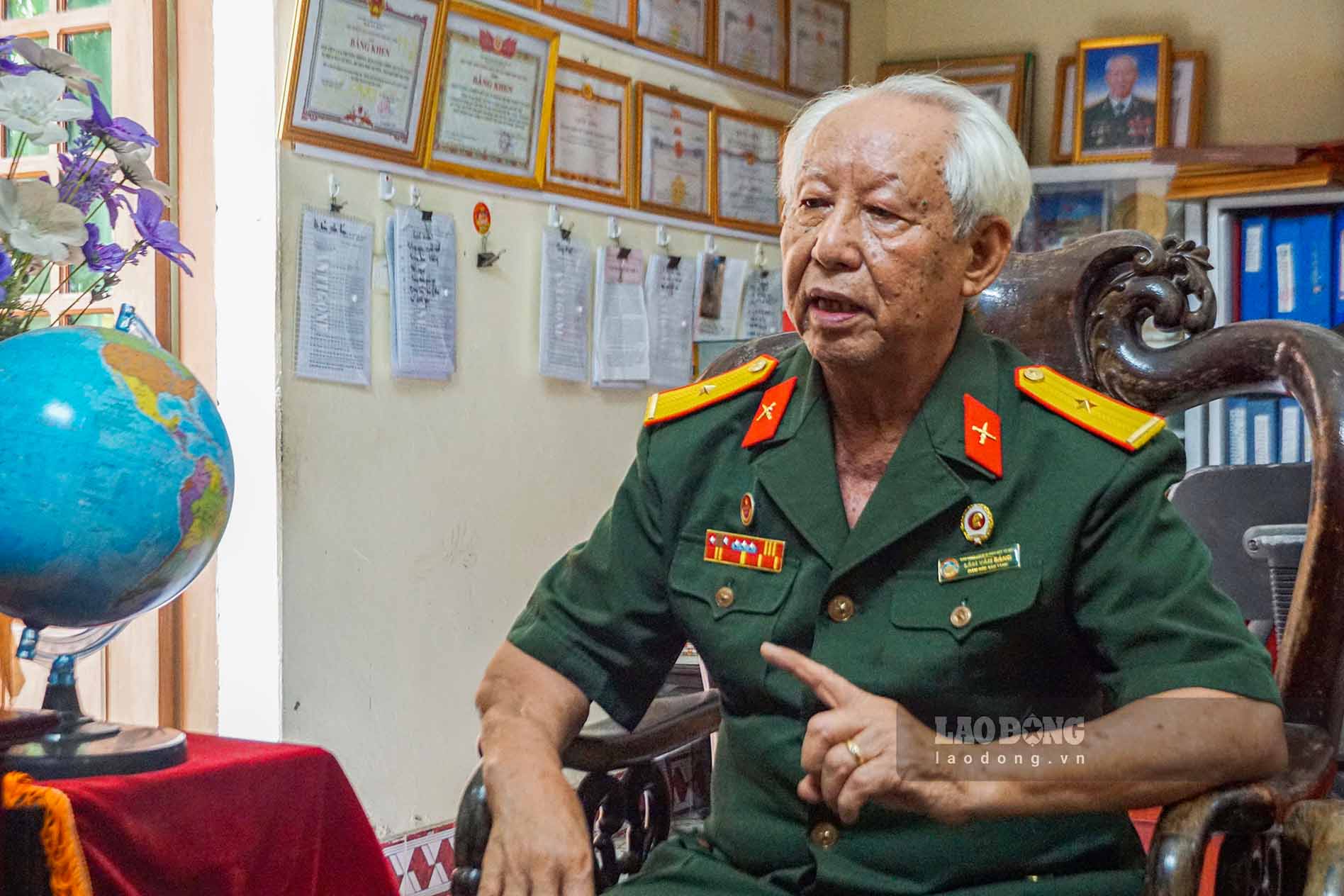
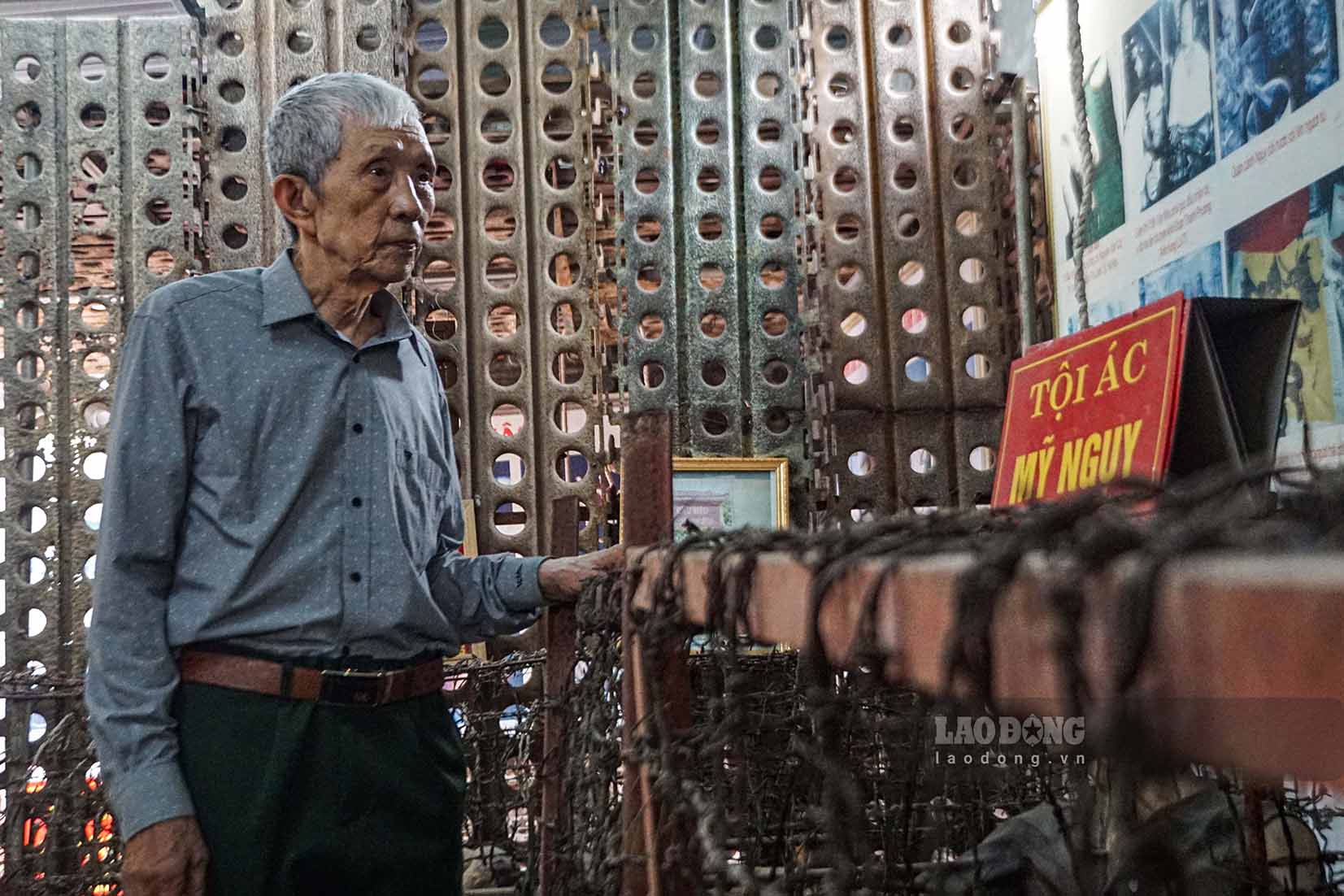
This special project was formed from the enthusiasm of veteran Lam Van Bang (82 years old). He and his family donated more than 2,000 m2 of land and spent more than 40 years collecting and preserving each artifact. For him, it is not only artifacts, but also memories, the blood and bones of fallen comrades.
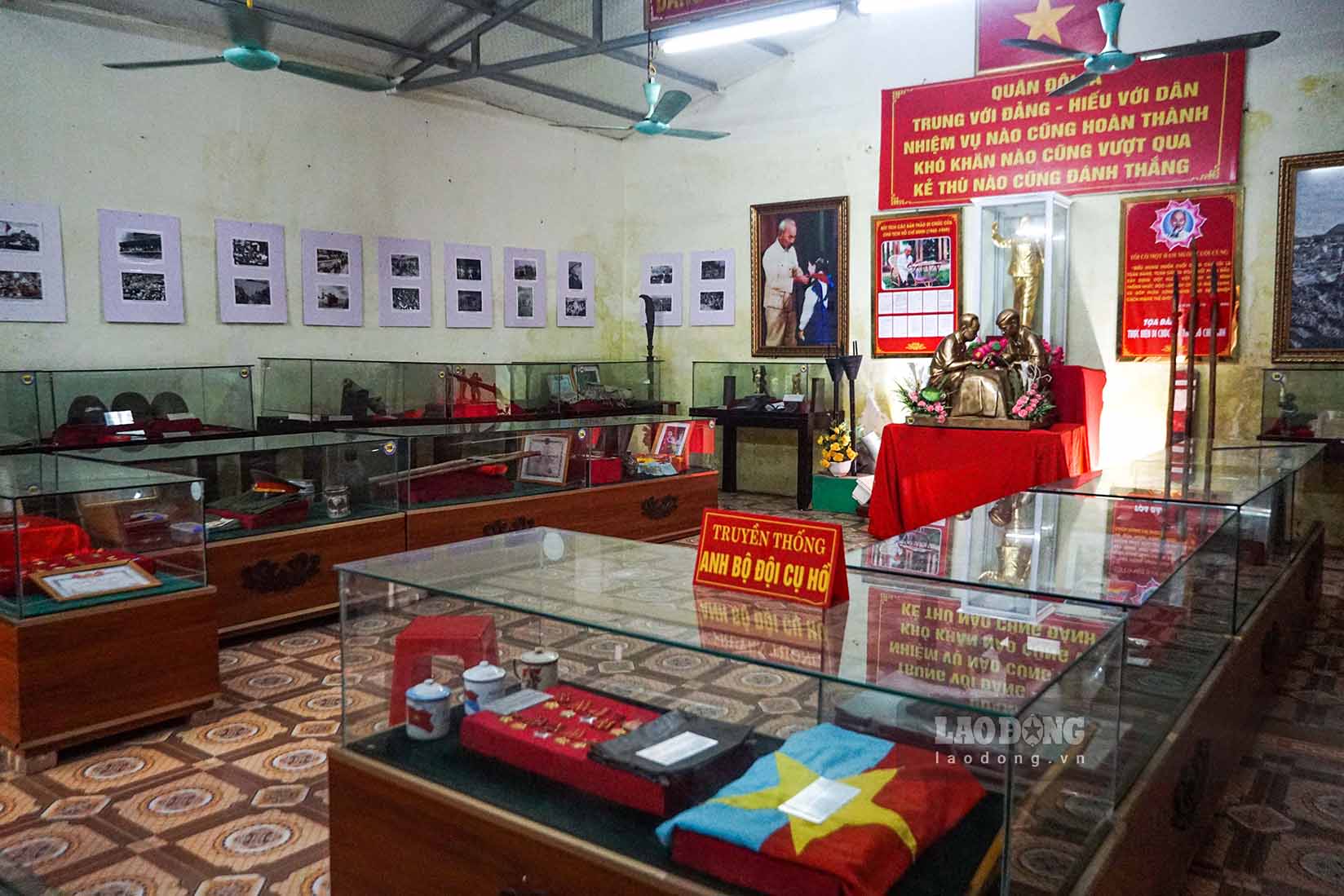
Unlike large-scale museums, this place preserves very ordinary items, from broken rice bowls, old water cants, Truong Son sticks or hastily written letters in prison... All are displayed in a simple space, imbued with the imprint of time, but have a great evocative power about a difficult historical period.
Mr. Lam Van Bang shared that his memories are associated with the fierce years of war. In April 1965, he enlisted in the army. In 1968, in a battle, he was seriously wounded and fell into the hands of the enemy, being detained in a prison in Bien Hoa.
In May 1970, he was transferred to Phu Quoc Prison, a place known as "hell on earth".
Three years later, in February 1973, by the Thach Han River (Quang Tri), he was released in a prisoner exchange between us and the US. Returning from the brink of death, memories of the days of torture and imprisonment are still imprinted in the soldier's mind.
Mr. Bang recounted that in prison, he and his comrades had to endure many harsh tortures. However, they still resolutely fought, maintained their integrity, organized political activities and sought ways to escape.
It was in those harsh circumstances that the revolutionary spirit was further nurtured, becoming a strength to help them overcome all challenges.
The remorse for his comrades who could not return urged him to start his journey of collecting artifacts from 1985. Regardless of the distance, he and his colleagues roamed all over the country. Just hearing the news that artifacts of revolutionary soldiers were still preserved somewhere, he set off to find them.
After many years of diligently collecting each memory, on November 16, 2006, the museum was officially established according to the decision of the Ha Tay Department of Culture, Sports and Tourism (old), with Mr. Lam Van Bang as director.
Since then, this place has always had the joint efforts of volunteers who are veterans and relatives of martyrs, contributing to maintaining operations.
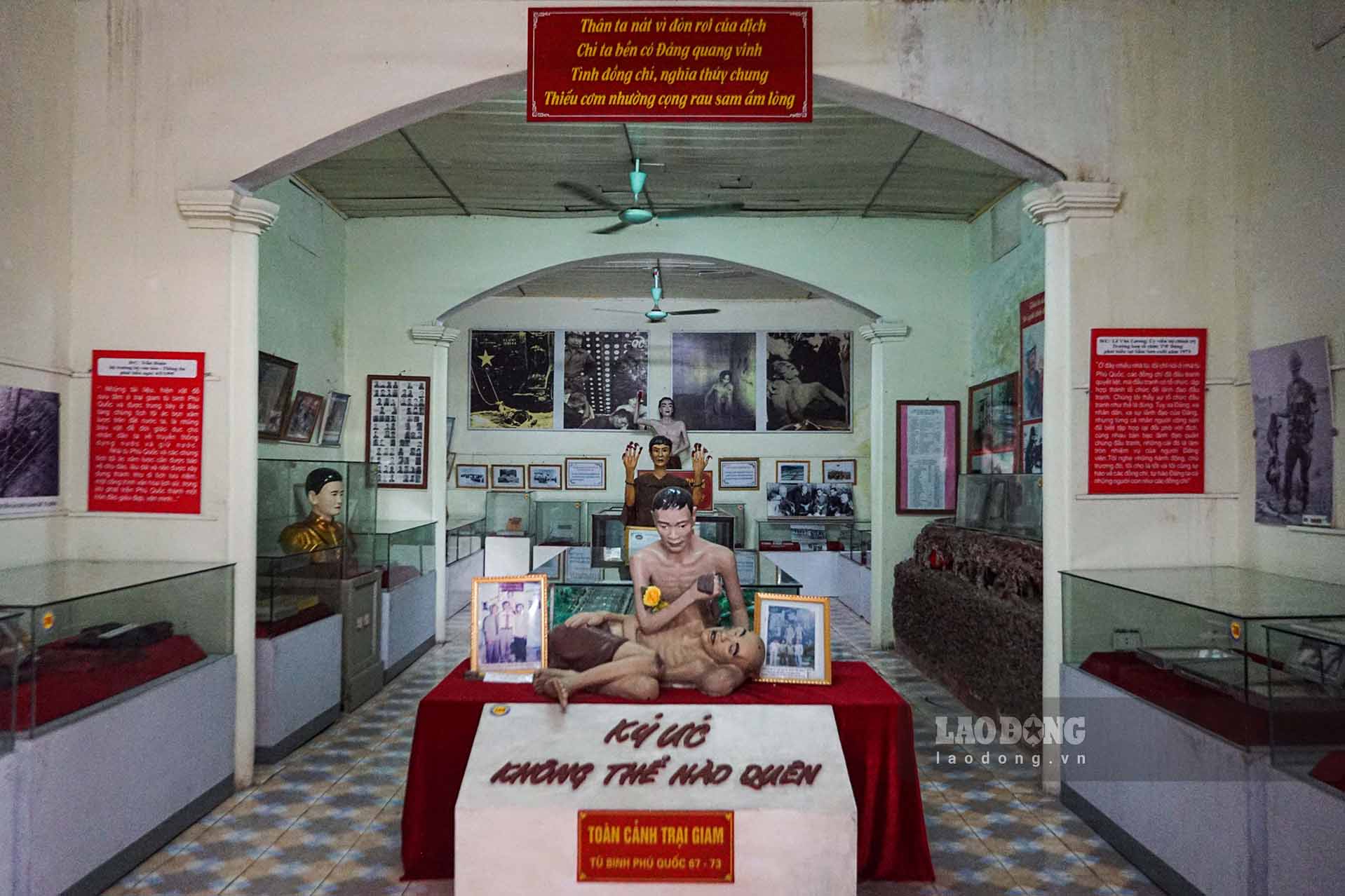
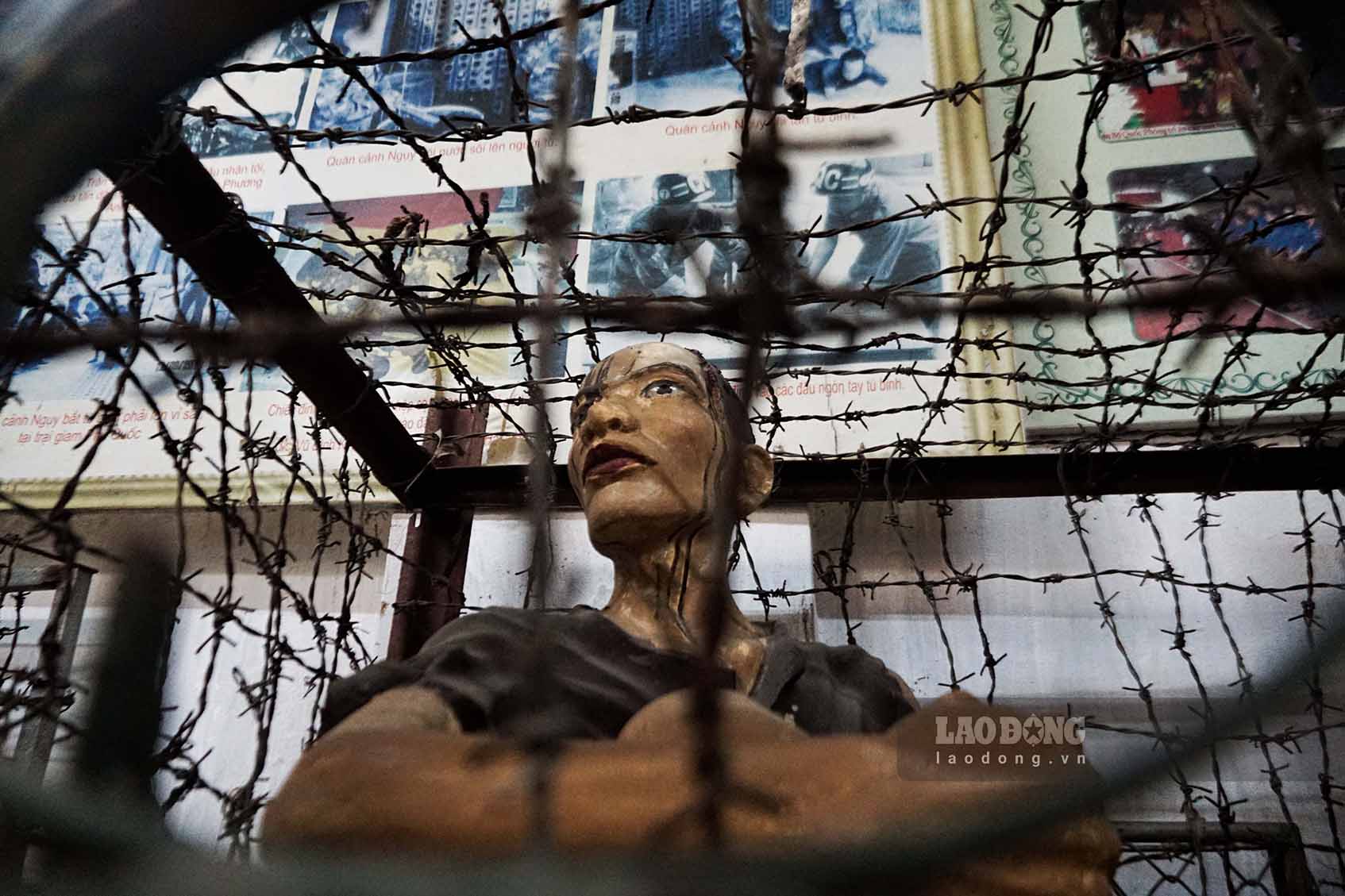
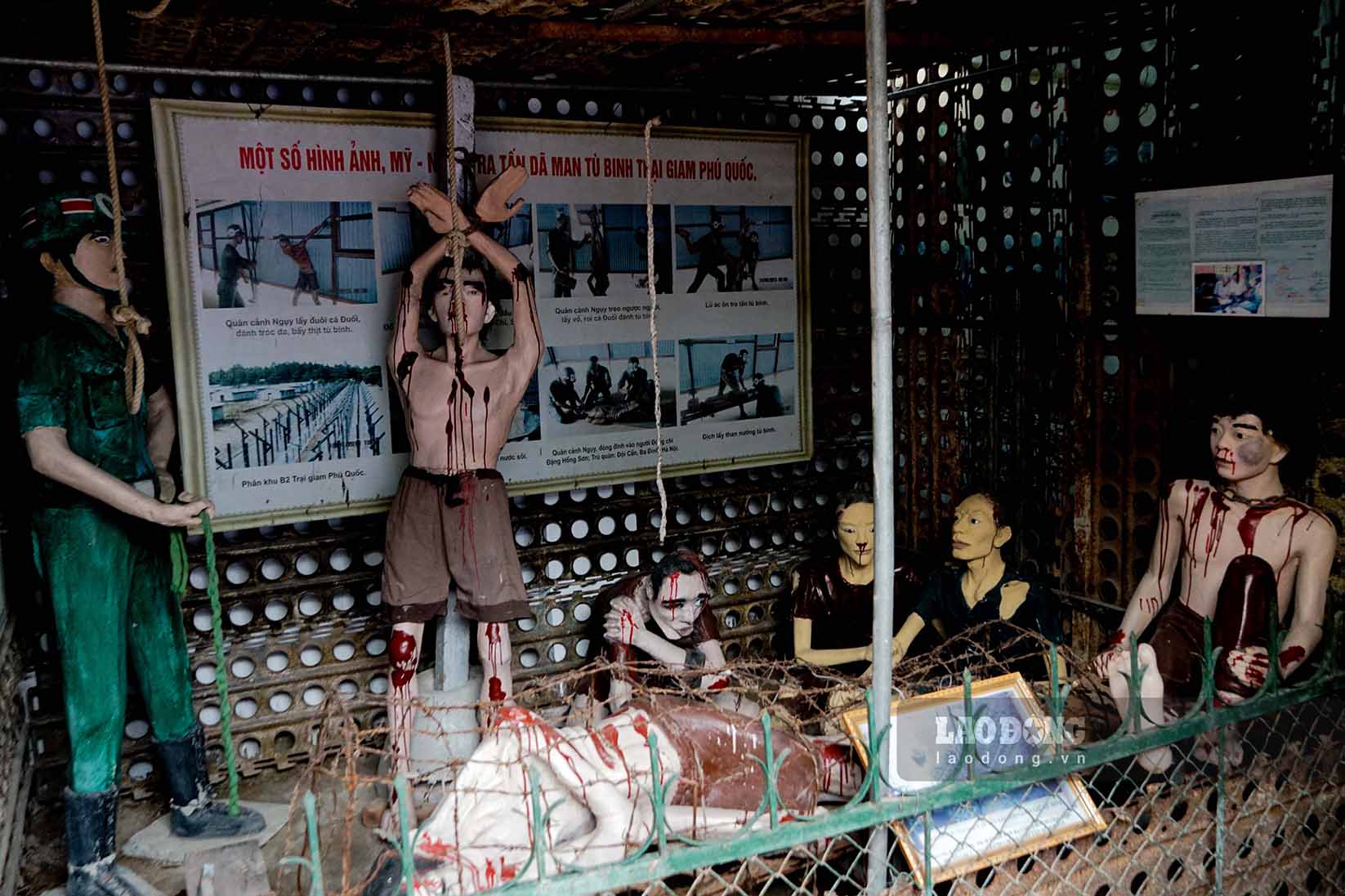
A special highlight at the museum is the "tiger cage" recreation area, where revolutionary soldiers are imprisoned. This space is realistically restored, helping viewers better visualize the brutality of the colonial and imperial prison regime.
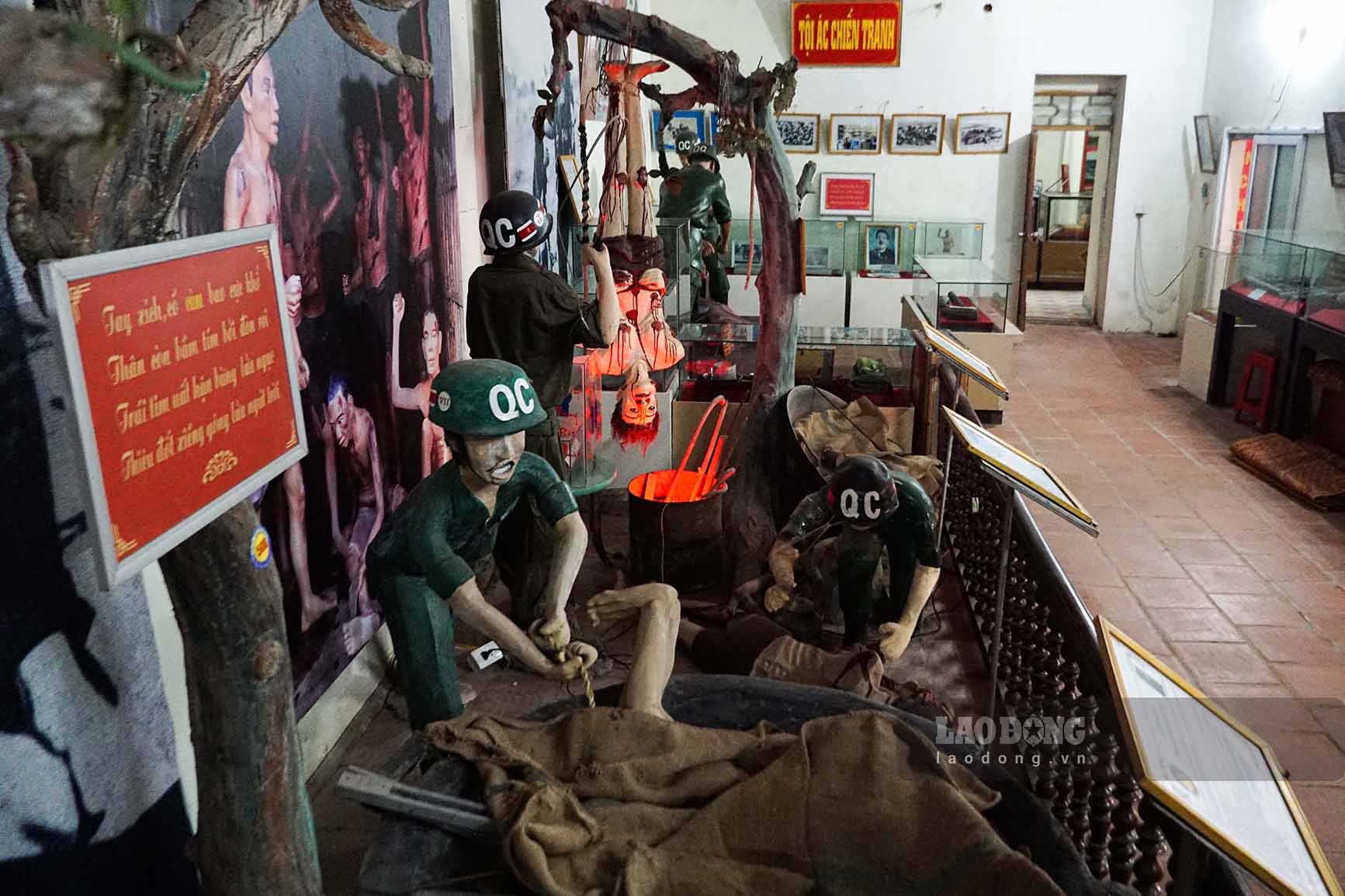
Besides, there are models reflecting life in prison, the torture that the enemy imposed on revolutionary prisoners.
However, what remains most profound is not only the pain, but the indomitable spirit. The simple keepsakes here have surpassed material values, becoming a vivid proof of the steadfast will of the Vietnamese people in war.
In the midst of modern life, the museum still quietly tells unforgettable stories, reminding today's generation of the value of peace.


