Short-term and long-term solutions to the situation
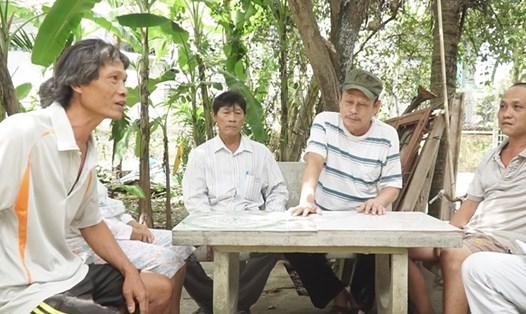
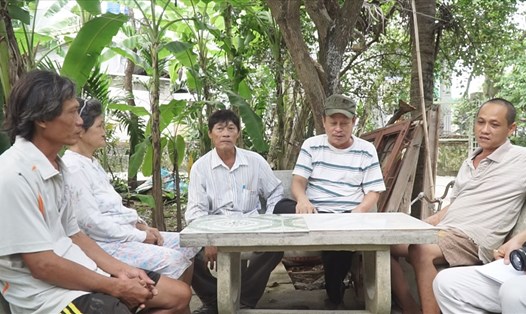
According to Mr. Tran Quang Thang - Director of the Institute of Economics and Management of Ho Chi Minh City, the city needs to simultaneously implement short-term, medium-term and long-term solutions.
In the immediate future (1-3 years), the city needs to stop expanding waste landfills in Da Phuoc. In parallel, Ho Chi Minh City must accelerate the progress of waste burning projects for electricity generation such as Tam Sinh Nghia and VietStar; prioritize removing legal procedures, site clearance and putting waste-to-energy projects into Power Plan VIII to ensure the approved power generation capacity.
Another important solution is to drastically implement waste sorting at source - a prerequisite to improve waste burning efficiency and reduce pressure on landfilling.
In the medium term (3-7 years), Ho Chi Minh City needs to study relocating the landfill out of the expanded inner city area.
According to Dr. Tran Quang Thang, Da Phuoc is currently located at the southern gateway, near residential areas and strategic traffic axes. Meanwhile, many large cities in the world are arranging high-tech waste treatment areas far from residential areas, with environmental safety belts.
The city also needs to build more new high-tech waste treatment areas, prioritizing waste burning for electricity generation, recycling materials and recovering energy from old landfill waste.
Currently, most of the waste in Ho Chi Minh City is still treated by landfilling. Therefore, the city needs to support recycling businesses, build large-scale recycling centers and apply collection fees based on volume to reduce waste generation.
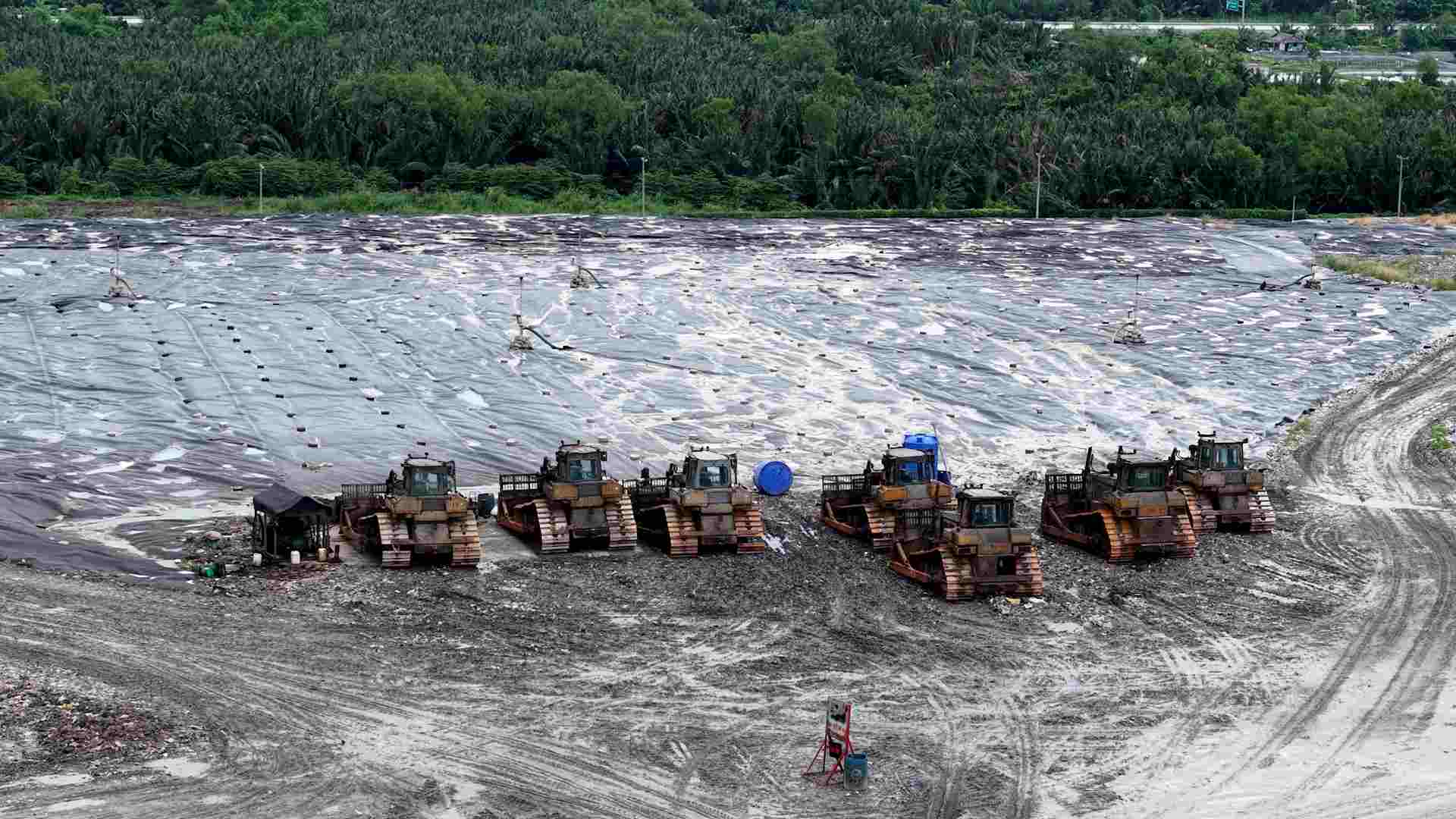
In the long term (7-15 years), Ho Chi Minh City needs to completely close Da Phuoc landfill. According to Dr. Tran Quang Thang, the city needs to build a specific roadmap to stop receiving new waste, thoroughly treat leachate, methane emissions and restore the ecological restoration of the area.
At the same time, Ho Chi Minh City must form a waste circulation economy system in the direction of recycling - reuse - energy recovery; encourage businesses to participate in the waste value chain and apply AI and IoT technology in collecting, sorting, and operating waste treatment plants.
Cannot forever "patch" Da Phuoc landfill
Agreeing with this view, Prof. Dr. Le Huy Ba - former Director of the Institute of Science, Technology and Environmental Management, Ho Chi Minh City University of Industry - said that continuing to increase landfill capacity at Da Phuoc landfill is only a temporary solution.
He compared the current Da Phuoc landfill to "a house that has seriously deteriorated", increasing capacity is no different from patching up, instead of building a more fundamental new solution.
According to Prof. Dr. Le Huy Ba, more than 20 years ago, Da Phuoc was planned in an area far from the city center. However, the too rapid urbanization process in the South has caused a series of residential areas and new urban areas to develop around this area, leading to increasingly obvious environmental impacts.
He believes that in the previous period, the landfill model was suitable due to limited technological conditions and resources. But now, with a megacity of more than 14 million people like Ho Chi Minh City, continuing to depend on large-scale landfills located only about 15-20 km from the core center is no longer suitable.
Da Phuoc has exceeded its designed capacity for a long time. If it continues to increase capacity, the city will prolong its dependence on the landfill model that many major cities in the world are gradually eliminating. This not only creates environmental pressure but also has a long-term impact on the development orientation of urban space in the South of Ho Chi Minh City" - Prof. Dr. Le Huy Ba assessed.
According to him, the South of Ho Chi Minh City area is currently a strongly developed area in terms of urbanization, logistics, trade - services and regional connectivity infrastructure. If it continues to prolong the life cycle of a large landfill at this strategic gateway, the risk of affecting the quality of life, real estate value and investment environment is very large.
This expert also believes that the strong increase in landfill capacity is going against the goal of reducing the landfill rate to about 20% and switching to waste burning for electricity that Ho Chi Minh City has set for many years.
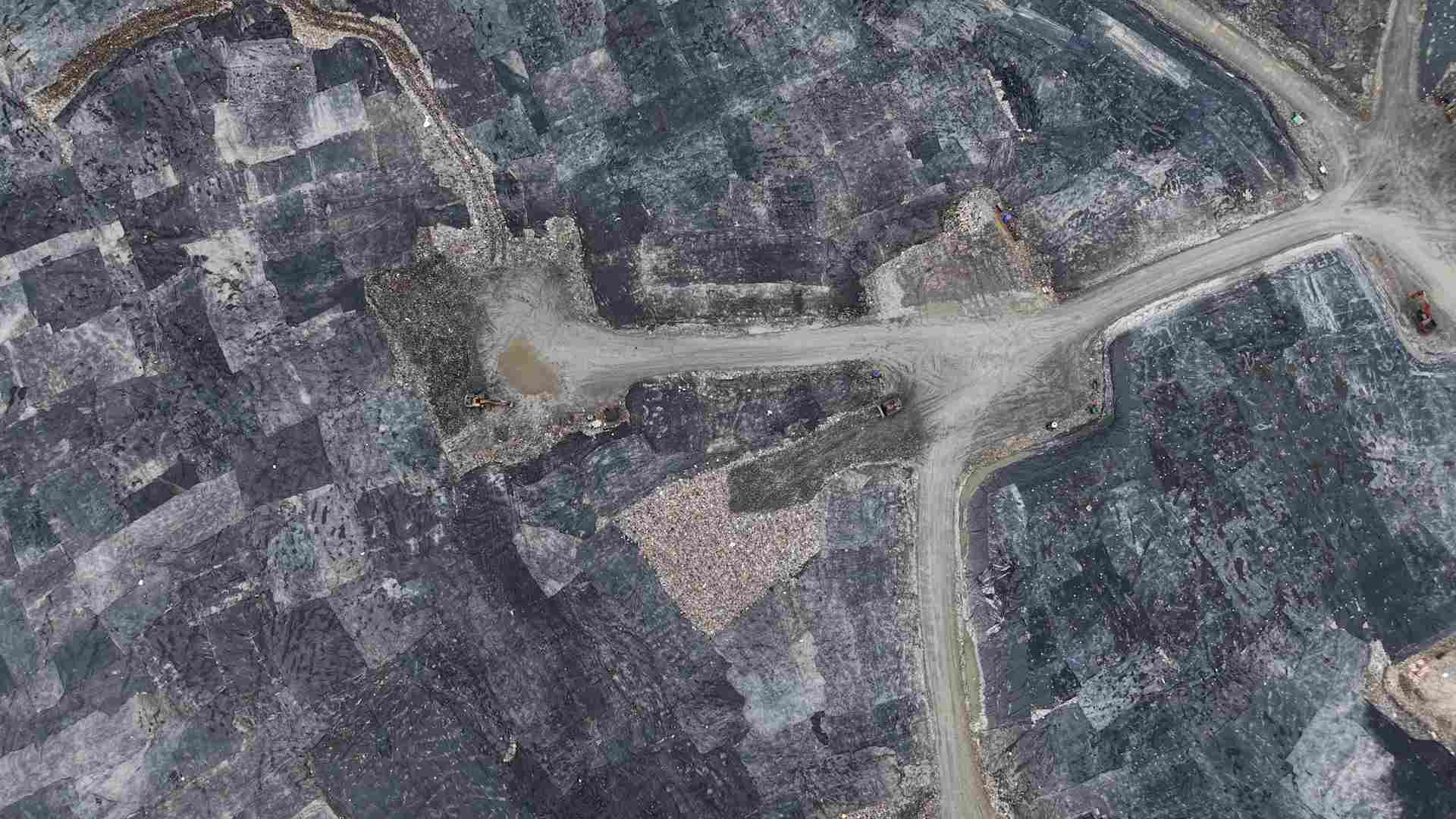
To fundamentally solve the waste problem, Ho Chi Minh City needs to change its thinking from "treating to avoid congestion" to building a waste-recirculating economic ecosystem.
In the short term, the city should consider Da Phuoc as a controlled contingency solution, instead of continuing to expand in the long term. At the same time, it is necessary to accelerate the progress of waste burning and power generation projects, and put the plant into operation soon.
In the long term, Ho Chi Minh City needs to study gradually relocating large-scale landfills away from residential areas, and at the same time develop high-tech waste treatment complexes according to integrated models such as power generation, material recycling, organic waste treatment and energy recovery.
According to Prof. Dr. Le Huy Ba, with rapid urbanization and the amount of waste generated at about 14,000 tons/day, Ho Chi Minh City does not have much time to continue to depend on the traditional landfill model. If the waste treatment technology transformation is slow, environmental pressure will increase and become a barrier to the goal of building a green, modern and livable city.