
Taking waste collection results for evaluation
Ca Mau Provincial People's Committee assigned targets for collecting and treating domestic solid waste in 2026 for 64 communes and wards in the area. Accordingly, all localities must achieve a collection and treatment rate of domestic solid waste of 91%. For urban areas, the collection and treatment rate of domestic solid waste that meets standards and regulations is also assigned at 91%.
This is not only an environmental target but also one of the bases for evaluating the results of socio-economic development tasks of localities in 2026.
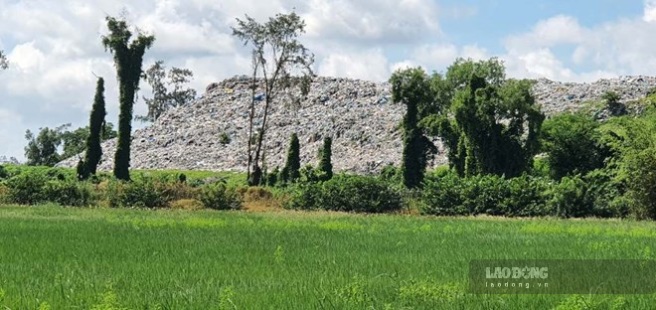
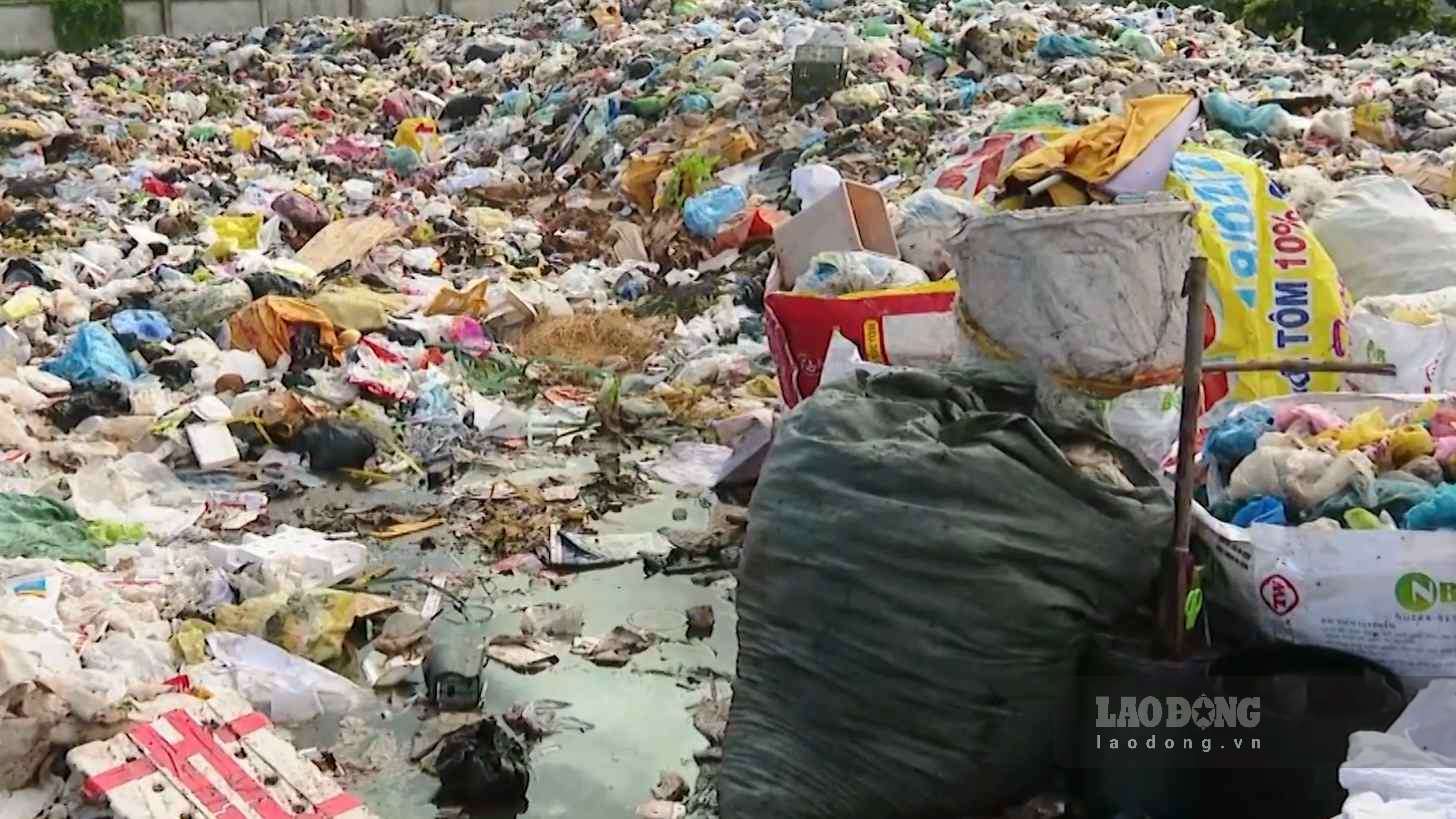
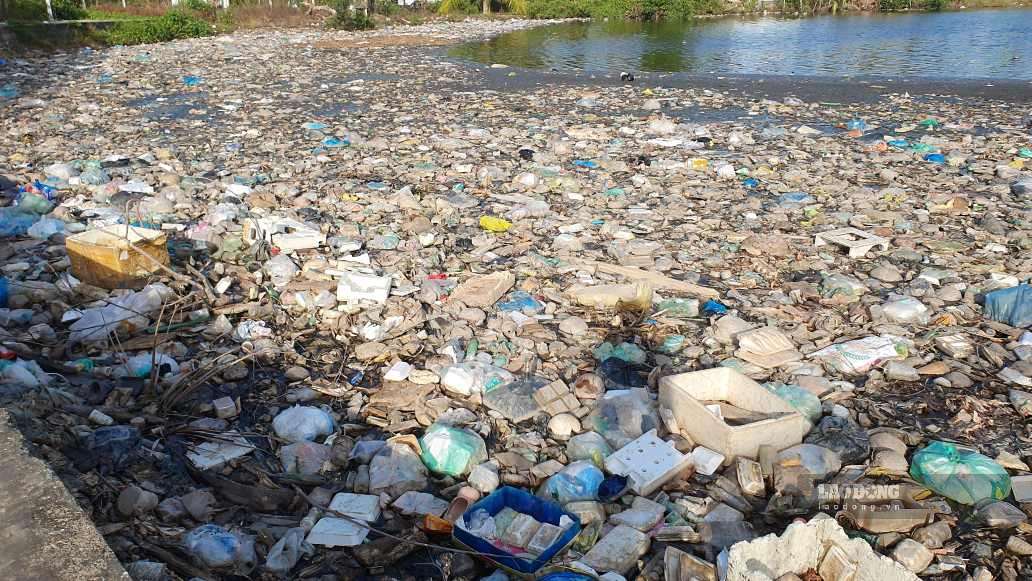
The assignment of targets takes place in the context that the province's domestic waste treatment work is still facing many difficulties. After the Ca Mau City Waste Treatment Plant - the only waste treatment facility in the province before - stopped receiving waste from mid-June 2025 to wait for the issuance of treatment unit prices, most domestic waste is treated by landfilling method. Many landfills are therefore quickly overloaded, putting great pressure on the environment.
In the southern area of the province, Tan Tao landfill, Vinh Loi commune, is the place to receive domestic waste from Bac Lieu, Hiep Thanh, Vinh Trach wards and Vinh Loi and Hung Hoi communes. After many years of operation, the landfill has become overloaded while the main treatment method is still landfilling. This is also one of the issues that voters have repeatedly proposed and reflected.
To ensure that the collection, transportation and treatment of waste are not interrupted, right from the beginning of 2026, the Chairman of the Provincial People's Committee has allocated the first phase of nearly 23.9 billion VND to 64 communes and wards to perform the task of collecting, transporting and treating domestic solid waste.
Waste treatment projects are in the investment phase
Along with assigning targets, the Provincial People's Committee requests the People's Committees of communes and wards to develop specific plans to complete the assigned goals; strengthen propaganda and mobilize people to carry out waste sorting at source, collect, transport and treat domestic solid waste in accordance with regulations; coordinate with service providers to improve the collection rate in the area.
The Department of Agriculture and Environment is assigned to guide, monitor, and inspect the implementation; summarize results, and promptly advise the Provincial People's Committee to remove arising difficulties. Relevant departments and branches coordinate with localities to synchronously implement solutions to complete the set targets.
At the same time, the province is accelerating waste treatment investment projects to gradually replace landfill methods. At Tan Tao landfill, T-Tech Vietnam Technology Group Joint Stock Company was approved to invest in a domestic solid waste treatment plant with a capacity of 200 tons/day and night. Up to now, the enterprise has been allocated land and is completing procedures to implement the project. The Provincial People's Committee requests the investor to accelerate progress and soon put the plant into operation.
According to the review of specialized sectors, the whole province currently has 6 solid waste treatment sites and the planning of a waste-to-energy plant has been identified in the planning of Ca Mau and Bac Lieu provinces before the merger, including 3 solid waste treatment areas and 3 planned waste-to-energy plant locations.
In which, the Nam Can Waste-to-Energy Plant project is planned in Dat Moi commune with an area of about 20ha, a treatment capacity of 600 tons of waste per day, a power generation capacity of 6MW, expected to receive domestic waste from Phan Ngoc Hien, Tan An, Dat Mui, Nam Can, Dat Moi and Tam Giang communes.
In addition, the Department of Agriculture and Environment also proposed expanding the Phuoc Long - Hong Dan cluster waste treatment area from 4.2ha to about 20ha to have enough land to build a waste treatment plant in the near future.
Currently, Ca Mau Provincial People's Committee is adjusting the Provincial Plan for the period 2021 - 2030, with a vision to 2050, which reviews and rearranges the locations of waste treatment areas and waste power plants. The completion of the plan is expected to create conditions to attract investors, gradually form a modern waste treatment system, reduce dependence on landfilling, and meet environmental protection requirements when the amount of domestic waste is increasing.


