
Towards sustainable fisheries
As a locality with 3 sides bordering the sea, Ca Mau owns vast fishing grounds with abundant aquatic resources, creating livelihoods for tens of thousands of coastal households. However, along with the development of marine exploitation, pressure on aquatic resources is increasing, especially the situation of destructive exploitation and long-term coastal exploitation.
Faced with that reality, Ca Mau province identifies protecting aquatic resources as a key task, closely linked to the goal of sustainable marine economic development. In parallel with solutions to combat illegal, unreported and unregulated (IUU) fishing, the province synchronously implements Directive 17 of the Provincial Party Committee Standing Committee on preventing the exploitation of aquatic resources that are destructive and exterminatory.
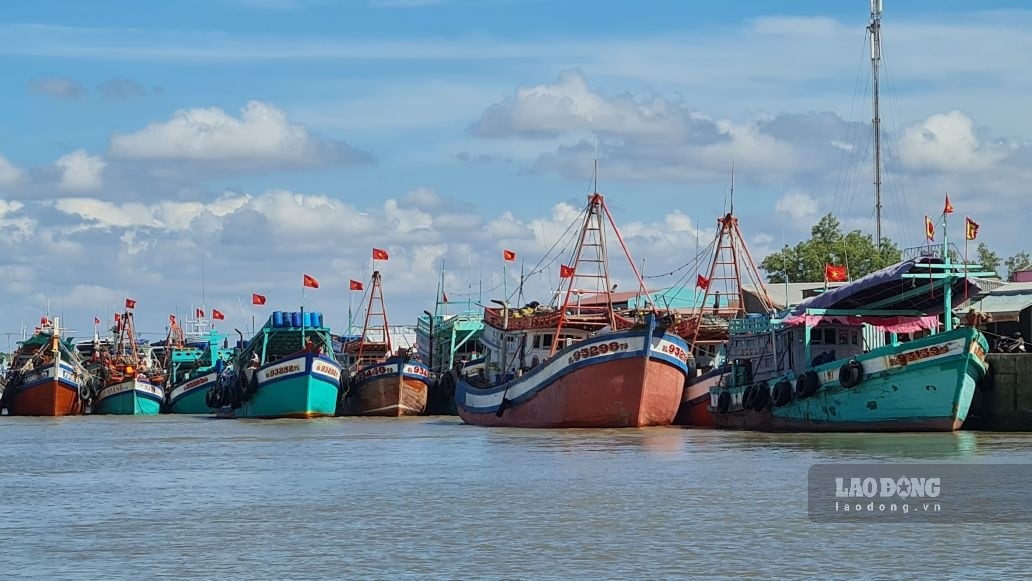
Localities focus on propaganda, mobilization, and organization for fishermen to sign commitments not to use explosives, electric shocks, toxic substances and prohibited fishing gear in seafood exploitation. To date, more than 20,500 households have signed commitments to implement.
Not only preventing destructive exploitation, Ca Mau also proactively restores aquatic resources through resource regeneration activities. More than 2.2 million aquatic breeds have been released back into the natural environment, contributing to restoring ecosystems and enriching resources in natural water areas.
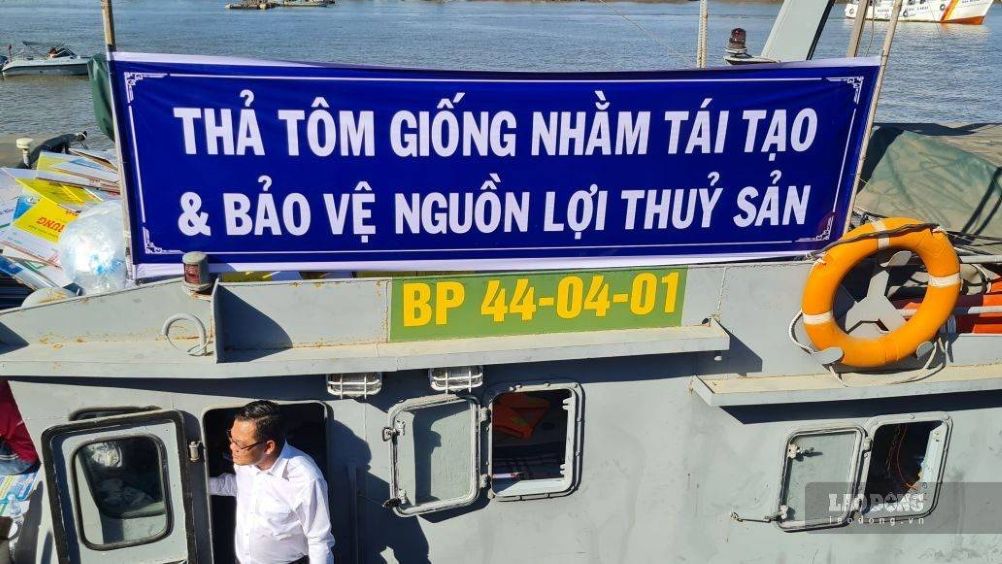
The Standing Committee of the Provincial Party Committee requests to promote the role of the Fatherland Front, socio-political organizations and grassroots authorities in propagating and mobilizing people to participate in protecting aquatic resources; and at the same time maintain and replicate models of joint management of aquatic resources, encouraging people to promptly detect and denounce illegal exploitation acts through hotlines.
Strictly manage the fleet, promote digital transformation of fisheries
Ca Mau, currently has 5,156 registered fishing vessels with a total capacity of more than 801,000kW. To date, 100% of fishing vessels that are required have installed vessel monitoring devices (VMS) and maintained connection with the national vessel monitoring system.
Registration, inspection and exploitation license is carried out in accordance with regulations. From the beginning of the year to now, specialized agencies have resolved 934 dossiers of fishing vessel management; issued 1,256 technical safety certificates and 267 certificates of appraisal of fishing vessel designs.
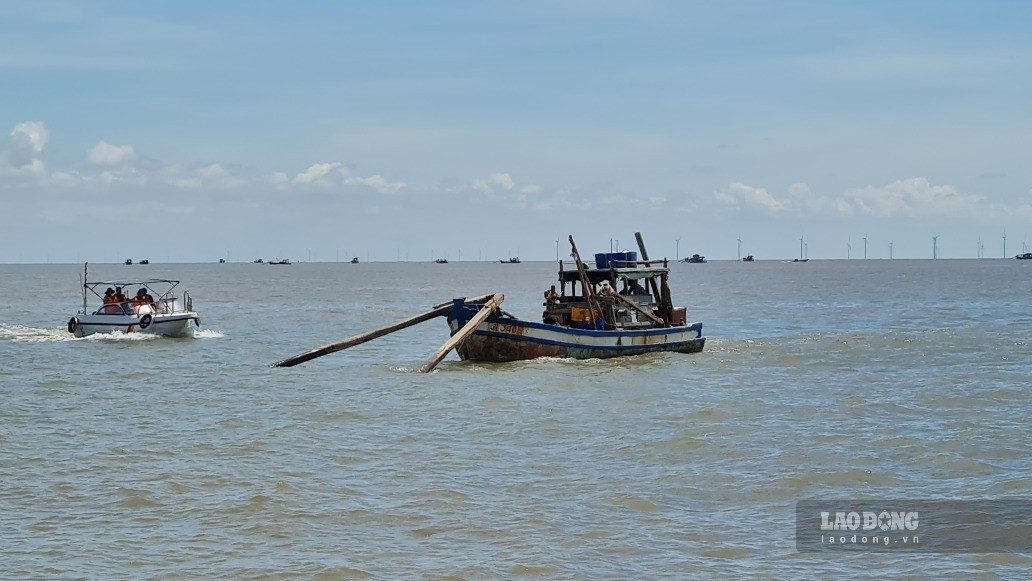
Regarding the control of fishing vessels entering and leaving ports and tracing the origin of seafood, Ca Mau maintains 100% control of fishing vessels docking and leaving designated fishing ports. From the beginning of the year to now, there have been 13,544 fishing vessel docking and leaving port procedures; the output of seafood loaded and unloaded through the port reached 83,757 tons, accounting for 44.4% of the province's total exploitation output.
Specialized agencies have also issued 138 certificates of raw material of exploited aquatic products with a total volume of 1,245 tons, serving traceability according to regulations. Notably, Ca Mau did not have any fishing vessels violating foreign waters and there were no cases of vessels losing connection to navigation monitoring equipment being handled.
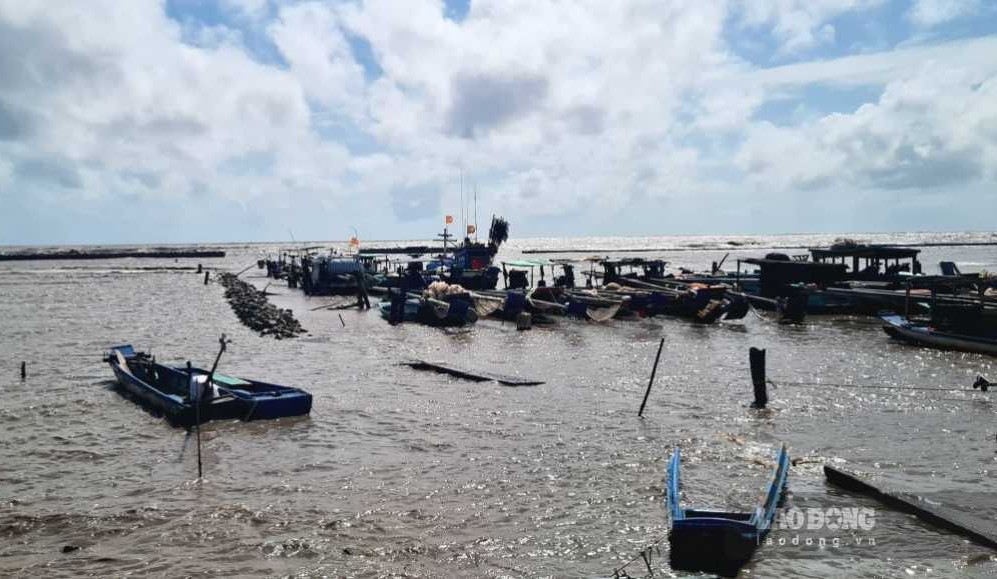
To achieve this result, the province has promoted the digitization of fishing vessel records; effectively deployed electronic seafood traceability software (eCDT) and electronic seafood exploitation logbooks (eLogbook). The coordination between the Border Guard, the Sub-Department of Fisheries and the Management Board of Fishing Ports helps to tightly control exploitation activities, improve transparency in traceability, and contribute to overcoming the recommendations of the European Commission (EC) on combating IUU fishing.


