
On February 5th, Mr. Bui Van Kiet - Chairman of Cai Khe Ward People's Committee (Can Tho City) said that Tran Phu ferry terminal connecting Can Tho City - Vinh Long province has just been temporarily licensed to operate for a period of 3 months, from February 5th.
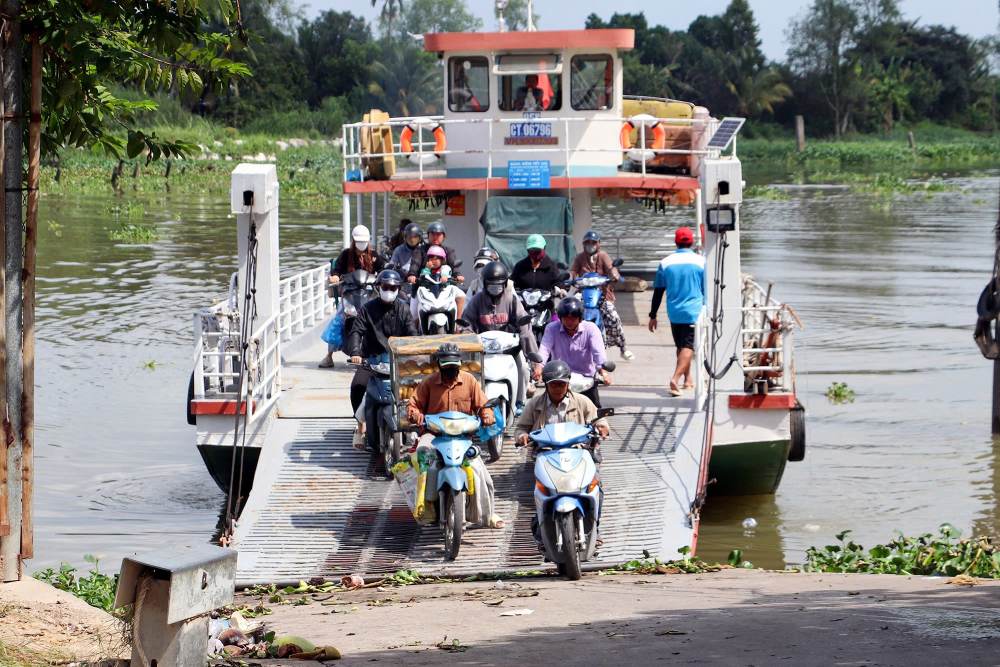
According to Mr. Bui Van Kiet, in the process of considering and determining the origin of the land to issue the first land use right certificate, Can Tho City People's Committee has issued a document requesting the locality to create conditions for the ferry terminal to operate to serve the travel needs of people during Tet.
After consideration, the People's Committee of Cai Khe ward agreed to allow the ferry terminal to continue temporarily operating for 3 months.
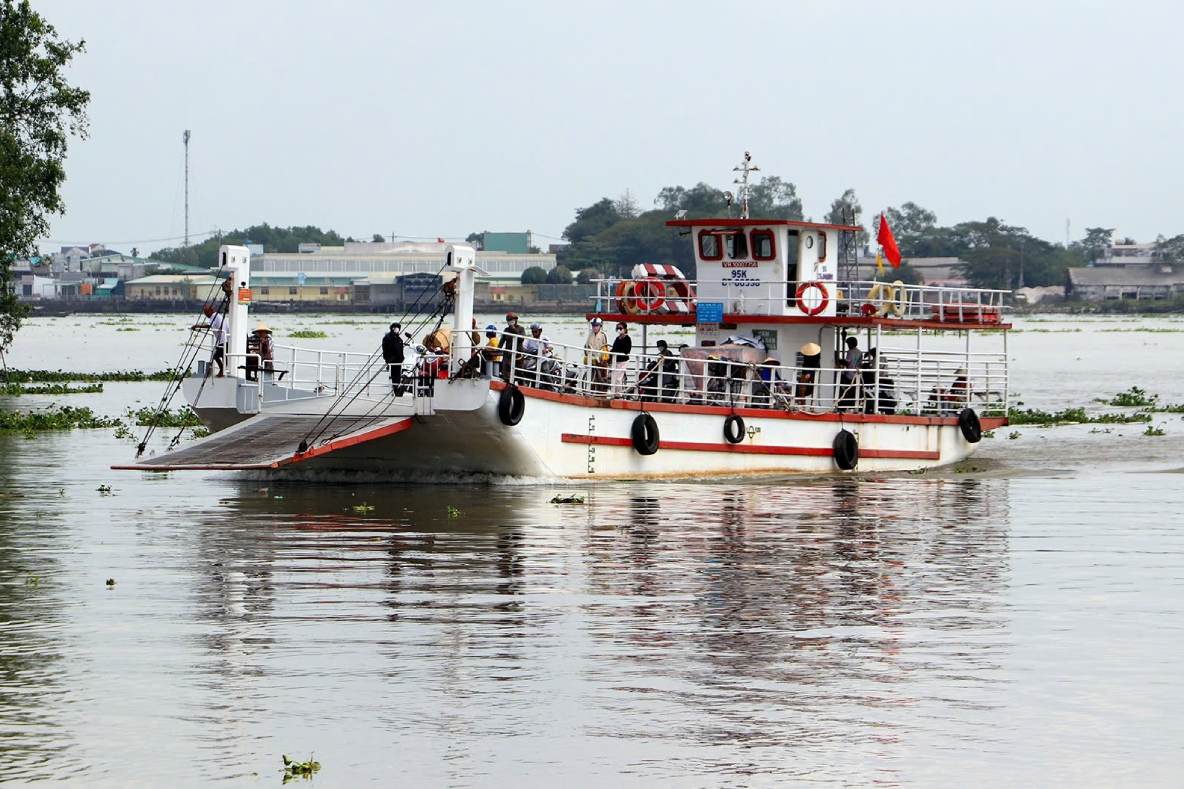
Ms. Nguyen Thi Be Ba (Binh Minh ward, Vinh Long province) shared that during the time Tran Phu ferry terminal stopped operating, she had to cross the river by ferry every day. However, because the vehicle was not safe, it was handled by functional forces and forced to stop operating. Therefore, every day she has to cycle across Can Tho bridge to go to Ninh Kieu ward (Can Tho City) to trade, the distance is longer, taking about an hour.
According to Ms. Be Ba, the fact that the ferry terminal is allowed to operate again helps shorten travel distances, save travel time, and create more convenience for buying and selling and daily activities of families.

Mr. Le Hoang Quoc Cuong (Ninh Kieu ward, Can Tho city) said that taking the ferry helps people, especially workers in the Binh Minh area, move faster than going around Can Tho bridge, thereby reducing travel time and costs.
Tran Phu ferry terminal connecting Can Tho - Vinh Long operates from 4 am to 9 pm daily, and has existed for about 15 years. Because the travel time from Binh Minh area (Vinh Long province) to Can Tho City is shorter than going through Can Tho bridge, this ferry terminal is chosen by a large number of workers, students, and pupils.
However, around mid-September 2025, Tran Phu ferry terminal will have to temporarily suspend operations due to legal procedures related to the licensing of inland waterway ports, including lack of land registration documents, water surface lease contracts and some other related procedures.


