
On May 15, the reversing lane division plan on Cong Hoa street was officially put into operation. Previously, at the peak this morning, reporters recorded that at the section from C12 street to Ut Tich, vehicles moved quite stably even though the traffic flow was still heavy. The flow of vehicles was continuous, no longer the scene of jostling and moving slightly as often seen in the Tan Son Nhat airport gateway area. Many drivers and motorcyclists were surprised when the travel time through this route was significantly shortened.
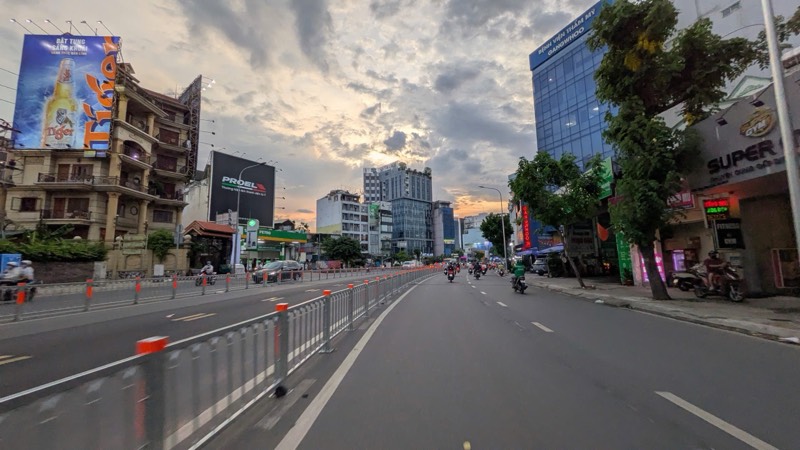
By rush hour in the afternoon, the traffic situation on Cong Hoa street continued to be smooth. Compared to the prolonged congestion that often occurred before, the road on the first day of applying the reversed lane became unusually deserted, vehicles circulated smoothly, and traffic conflicts rarely occurred at major intersections.
I go to work across Cong Hoa street every day, so I clearly feel the difference. Previously, it usually took nearly 40 minutes to get through this section in the afternoon, now I move much faster," shared Mr. Nguyen Minh Hoang (Tan Son Nhat ward).
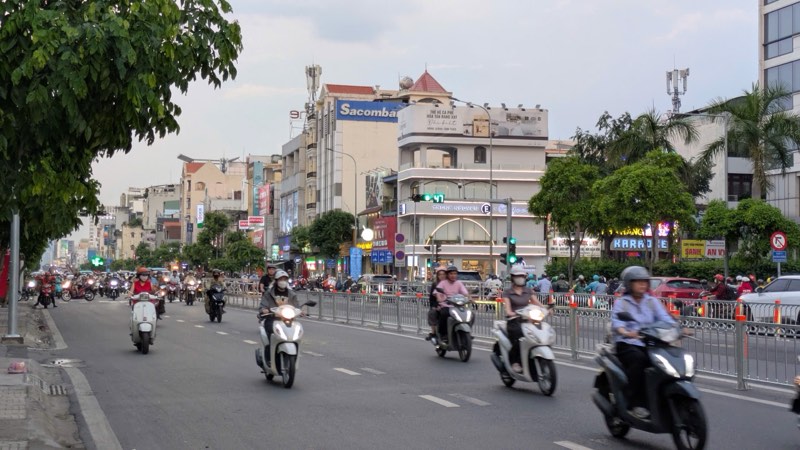
After finishing work in the late afternoon, Mr. Le Quoc Nam (Bay Hien ward) said he was quite surprised when moving across Cong Hoa street without encountering prolonged traffic jams as usual. "I work in the airport area, before around 5 pm this section was almost still. Today the bus is still crowded but running smoothly, going home faster, so I was also quite surprised," Mr. Nam said.
According to the new traffic organization plan, Cong Hoa street applies a flexible lane division model according to each time frame. During morning rush hours, the direction from Truong Chinh to the city center is arranged with 4 lanes, and the opposite direction has 2 lanes. During afternoon rush hours, the plan is reversed to prioritize traffic flow from the center to the airport gateway area. Outside rush hours, the route returns to the 3-lane traffic plan in each direction as before.
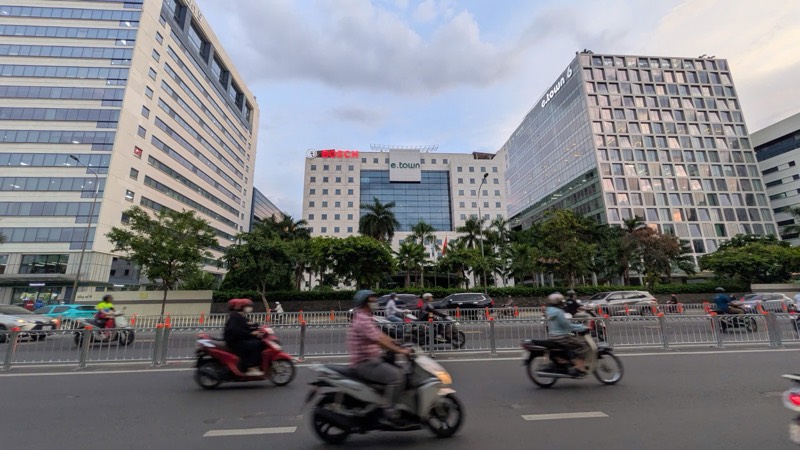
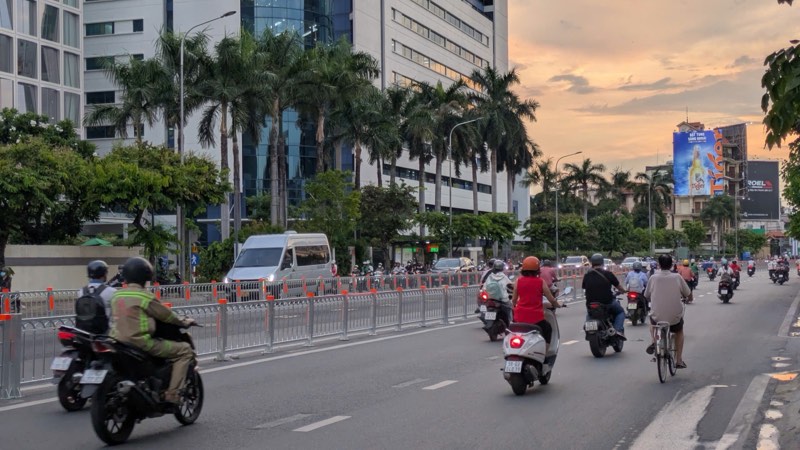
In parallel with adjusting lanes, Ho Chi Minh City also combines the deployment of a traffic signal control system according to the "green wave" model at some key intersections on Cong Hoa street. This plan helps synchronize traffic light time, creating conditions for continuous traffic flow, limiting prolonged waiting situations during peak hours.


