
The reverse lane separation plan on Cong Hoa street officially applied from today (May 15) shows that the congestion situation at one of the most stressful gateway routes in Ho Chi Minh City has decreased significantly. Many people said that traffic during peak hours has become more convenient, especially in the direction of the city center and Tan Son Nhat airport area.
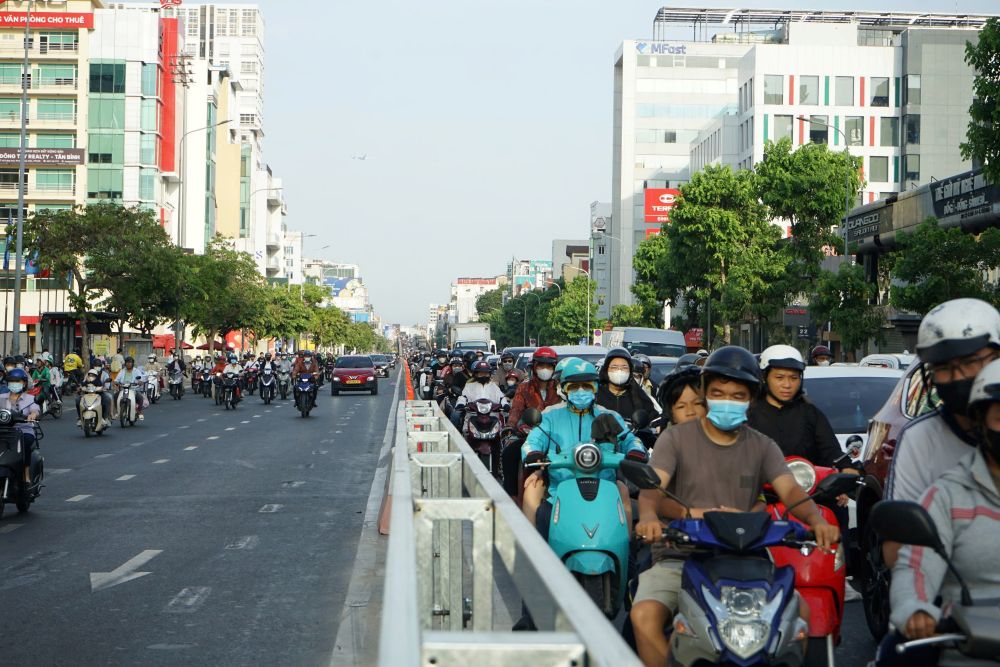
Recorded on the morning of May 15, at the section from Truong Chinh street to Ut Tich, the flow of vehicles moved quite stably. Compared to previous days, the scene of vehicles jostling for a long time during morning rush hour has decreased significantly. Vehicles are allowed to circulate according to the new reverse lane system with the guidance of functional forces.
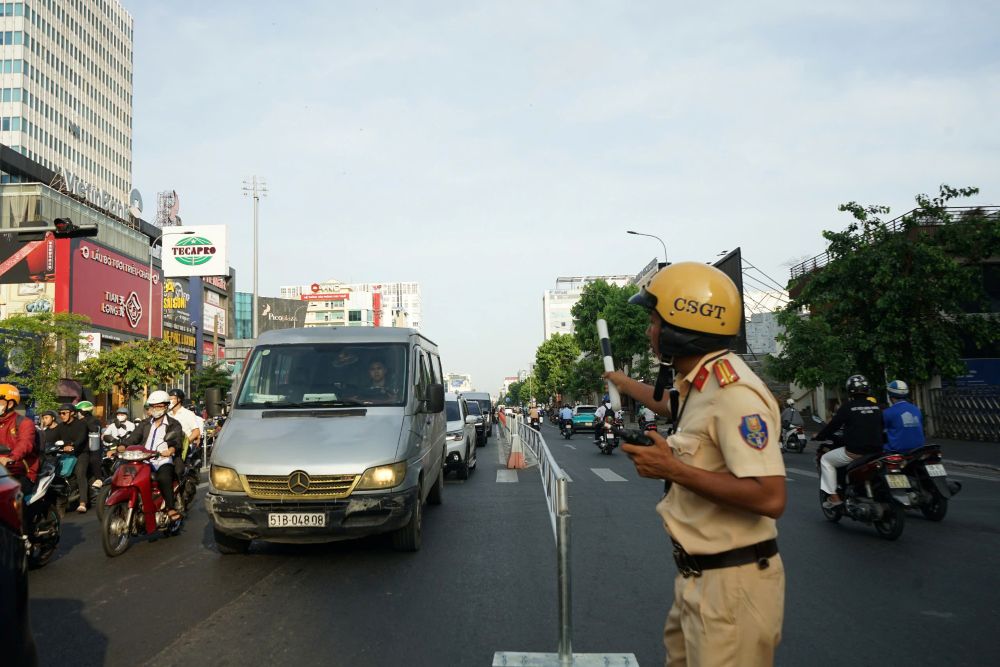
According to the new traffic organization plan, the two middle lanes on Cong Hoa street are flexibly adjusted according to each peak hour. In the morning, the direction from Truong Chinh to the center is arranged with 4 lanes to relieve the pressure of vehicles pouring into the airport area and inner city; the opposite direction has 2 lanes. At the afternoon peak hour, the plan will be reversed to prioritize the direction out of the suburbs.
This is the first time Ho Chi Minh City has implemented the "flexible reversal" traffic organization model on a major road. The applied route is about 2.5km long, from Truong Chinh area to Ut Tich - where serious congestion has often occurred for many years due to excessive traffic volume.
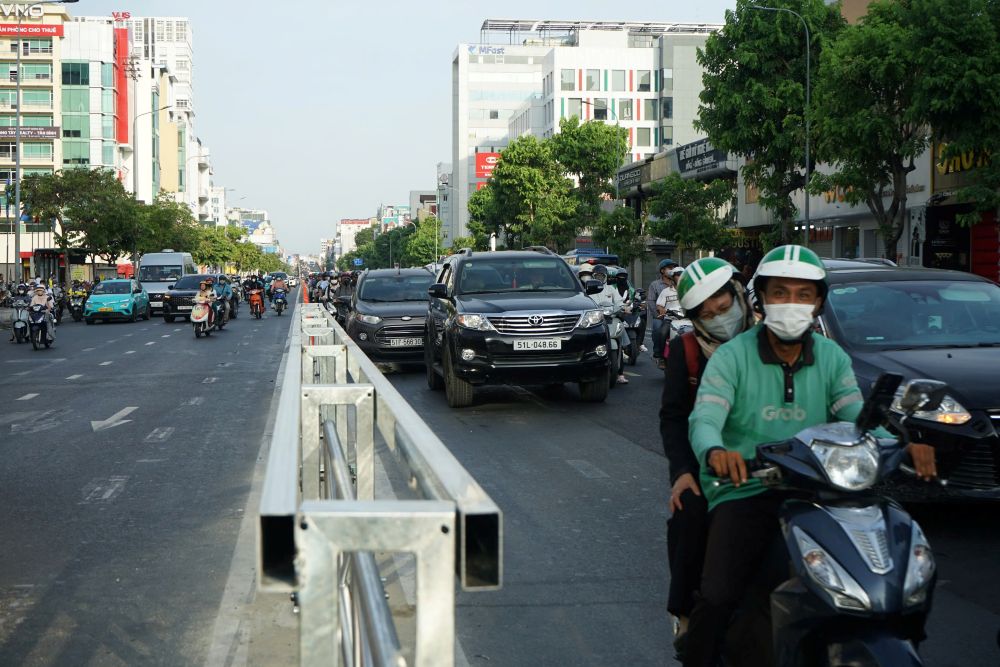
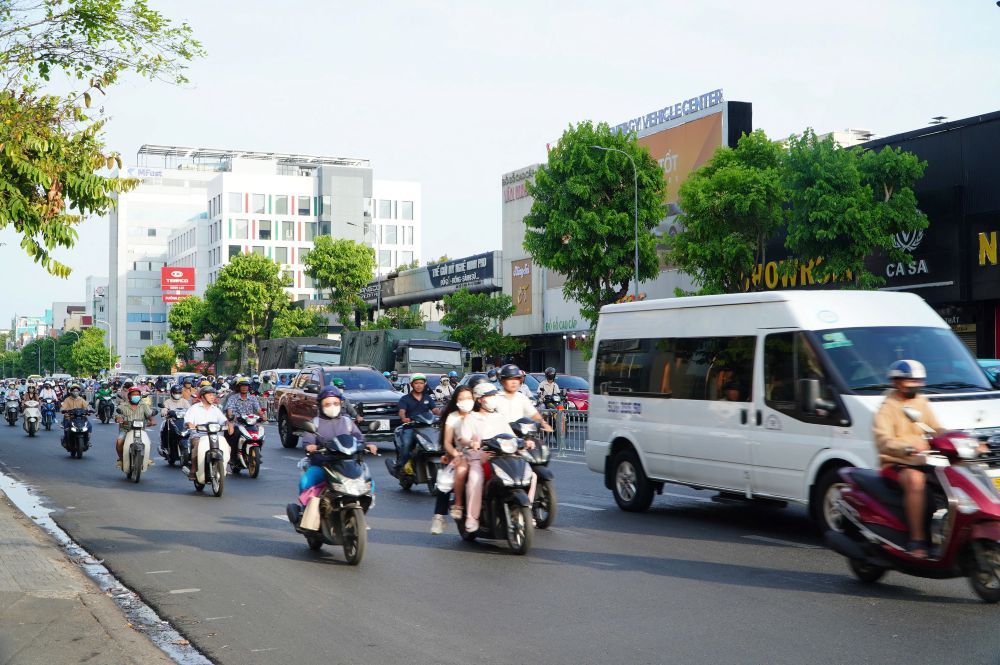
Mr. Nguyen Hoang Phuc (resident of Bay Hien ward), who regularly travels through Cong Hoa street to go to work in Binh Thanh ward, said that this morning he traveled through this route faster than usual by about 15 minutes.
“Previously, the section near Lang Cha Ca roundabout was often jammed for a very long time, especially in the morning. Today cars run more steadily, although the number of vehicles is still large, there is no longer a scene of standing still many times as before,” Mr. Phuc said.
Similarly, Ms. Tran Diem Quynh, a technology driver who regularly picks up passengers at Tan Son Nhat airport, said that increasing lanes in the direction of more vehicles has initially been effective.
At first, I was a little worried because I was afraid that I wouldn't be used to going in the wrong lane. But today there are functional forces continuously guiding, so traffic is quite stable, going is also more smooth," Ms. Quynh shared.
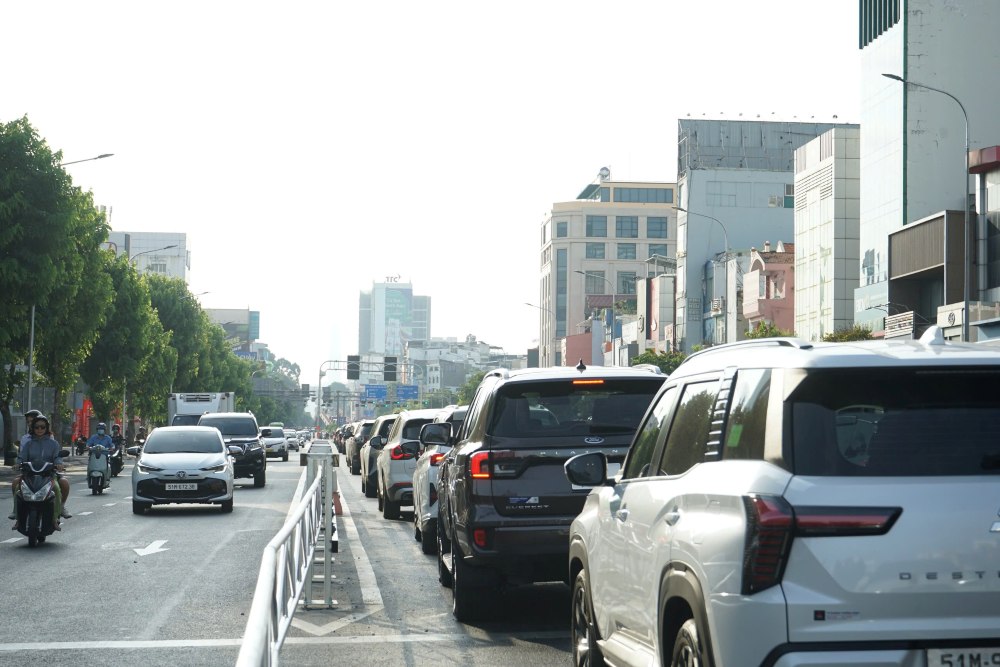
On the first day of official operation, traffic police forces were deployed at many intersections to guide people to circulate in the correct lane.
Representatives of the Ho Chi Minh City Department of Construction said that the new plan is built based on the fact that the traffic flow between the two directions of movement is largely different at different times of the day. Flexible lane separation helps maximize the existing road surface instead of keeping the number of lanes for each direction fixed as before.
In addition to adjusting lanes, the city also combines the deployment of a traffic signal control system according to the "green wave" model at some key intersections on the Cong Hoa axis to increase continuous traffic flow for vehicles.
Although initially recording positive signals, many people believe that functional agencies need to continue to monitor and adjust reasonably in the coming time, especially at intersections and areas entering and leaving Tan Son Nhat airport to avoid traffic conflicts when traffic volume increases.


