
Ending the scene of "crossing rivers and ferries
Can Gio Bridge has a total length of more than 6.3 km. In which, the main bridge is nearly 3 km long; the access road and bridges on the route are more than 3.2 km long. The project is designed with a scale of 6 lanes (4 motorized lanes, 2 mixed lanes), design speed of 60 km/h.
The main bridge is a cable-stayed bridge with two tower pillars, with a navigation clearance of 55 m, equivalent to Binh Khanh bridge on the Ben Luc - Long Thanh expressway.
In addition to the main bridge, the project also builds three bridges on the route including: Song Cha bridge more than 640 m long; Tac Song Cha bridge more than 64 m long; Rach Muong Ngang bridge (parallel road on Nha Be side) including two units 64 m long.
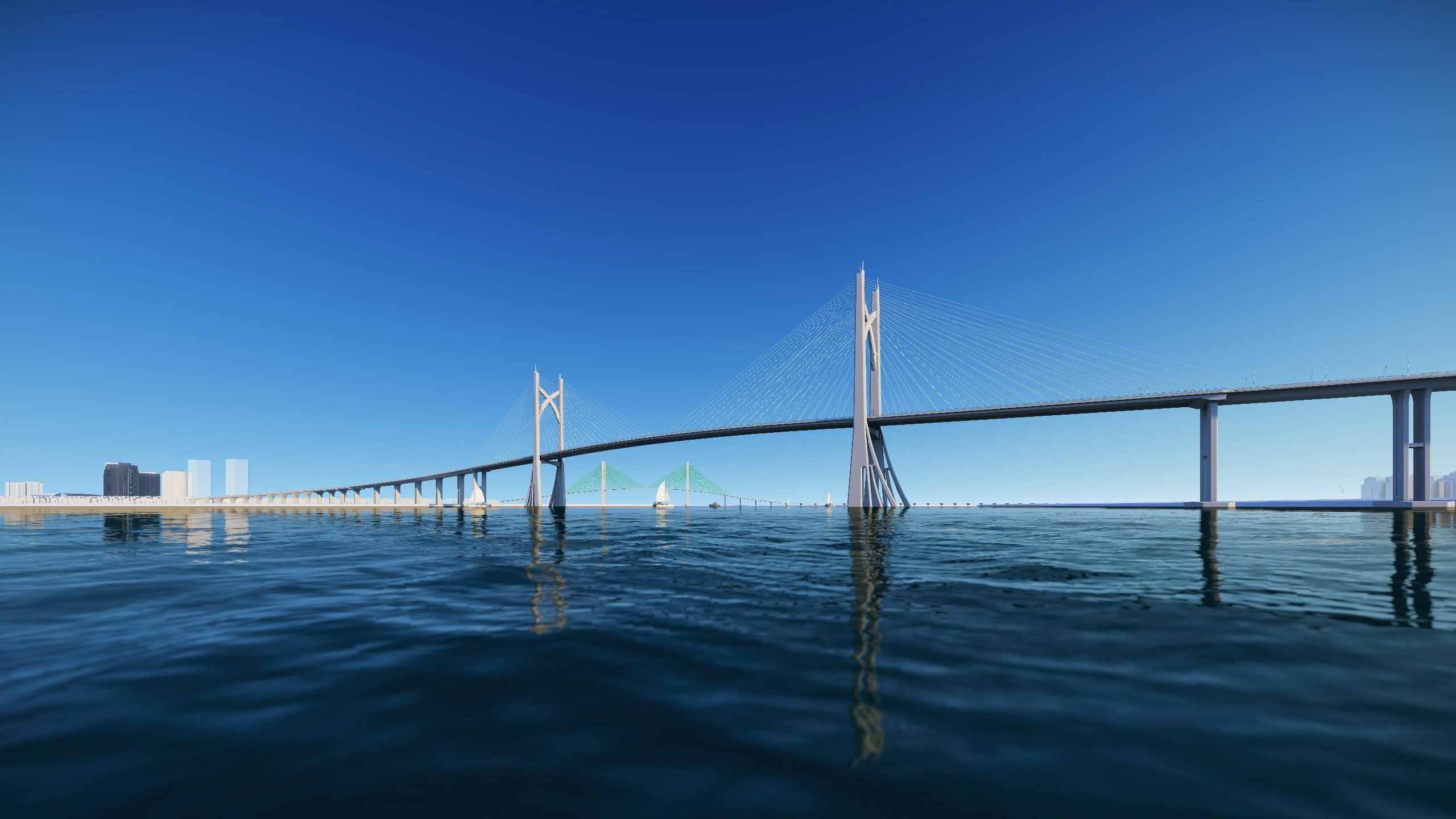
The preliminary total investment of the project is more than 13,200 billion VND according to the BT (build - transfer) contract, divided into two component projects.
The compensation, support and resettlement project has a capital of more than 2,533 billion VND from the Ho Chi Minh City budget. The bridge construction project under the BT contract has a total capital of more than 10,668 billion VND, mostly mobilized by investors.
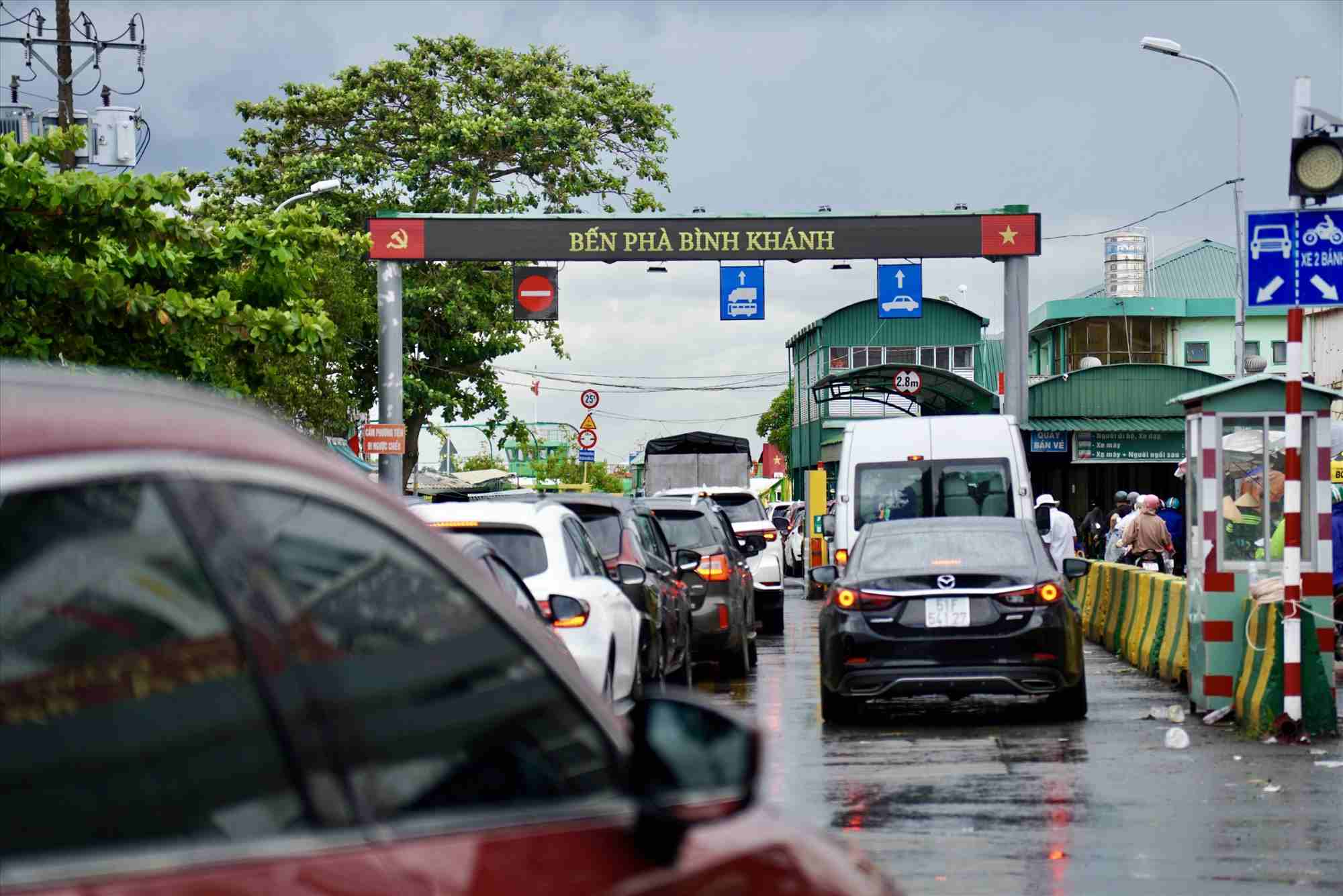
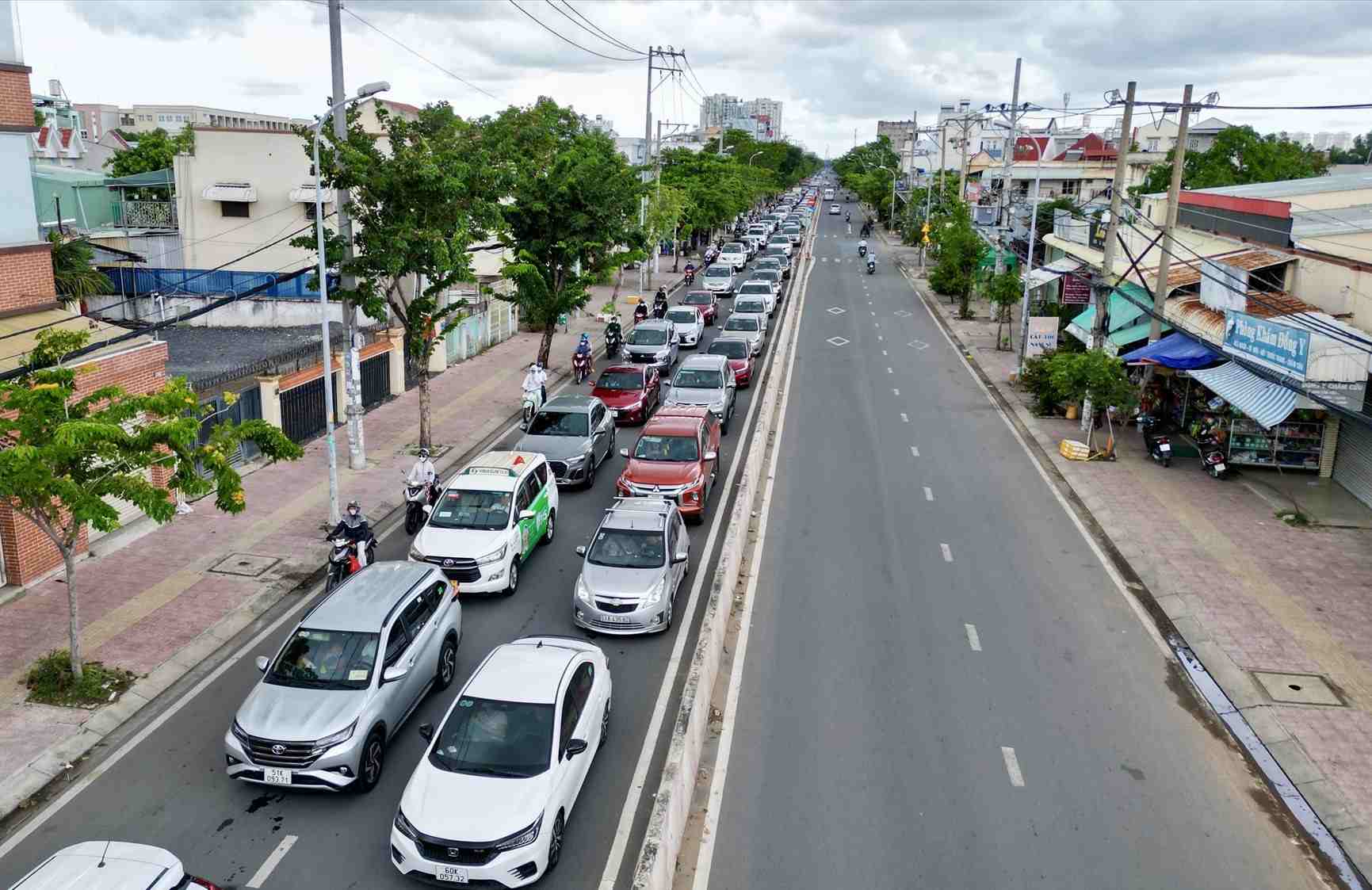
Currently, Binh Khanh, Can Gio, An Thoi Dong and Thanh An communes (formerly Can Gio district) still do not have roads directly connecting to the center of Ho Chi Minh City.
Binh Khanh Ferry is the only traffic route, often overloaded, especially on weekends and holidays, causing prolonged congestion, greatly affecting people's lives and tourism activities.
When completed in 2029, Can Gio bridge will completely replace the Binh Khanh ferry, directly connecting with the Ben Luc - Long Thanh expressway through the Rung Sac intersection. This expressway is expected to be fully opened to traffic in 2026, forming an important inter-regional traffic axis in the South.
Motivation for coastal cities and tourism
Can Gio Bridge is being implemented in the context of Can Gio sea-encroaching tourist urban area with a scale of 2,870 ha being invested, with a planned population of more than 228,000 people and an expected number of visitors of nearly 9 million per year.
The traffic demand connecting from the center of Ho Chi Minh City to the coastal urban area and the entire Can Gio area is therefore becoming increasingly urgent.
In particular, from July 1, 2025, after merging Ho Chi Minh City with Binh Duong and Ba Ria - Vung Tau, the demand for traffic connection from the city center through Can Gio to Vung Tau is forecast to increase sharply.
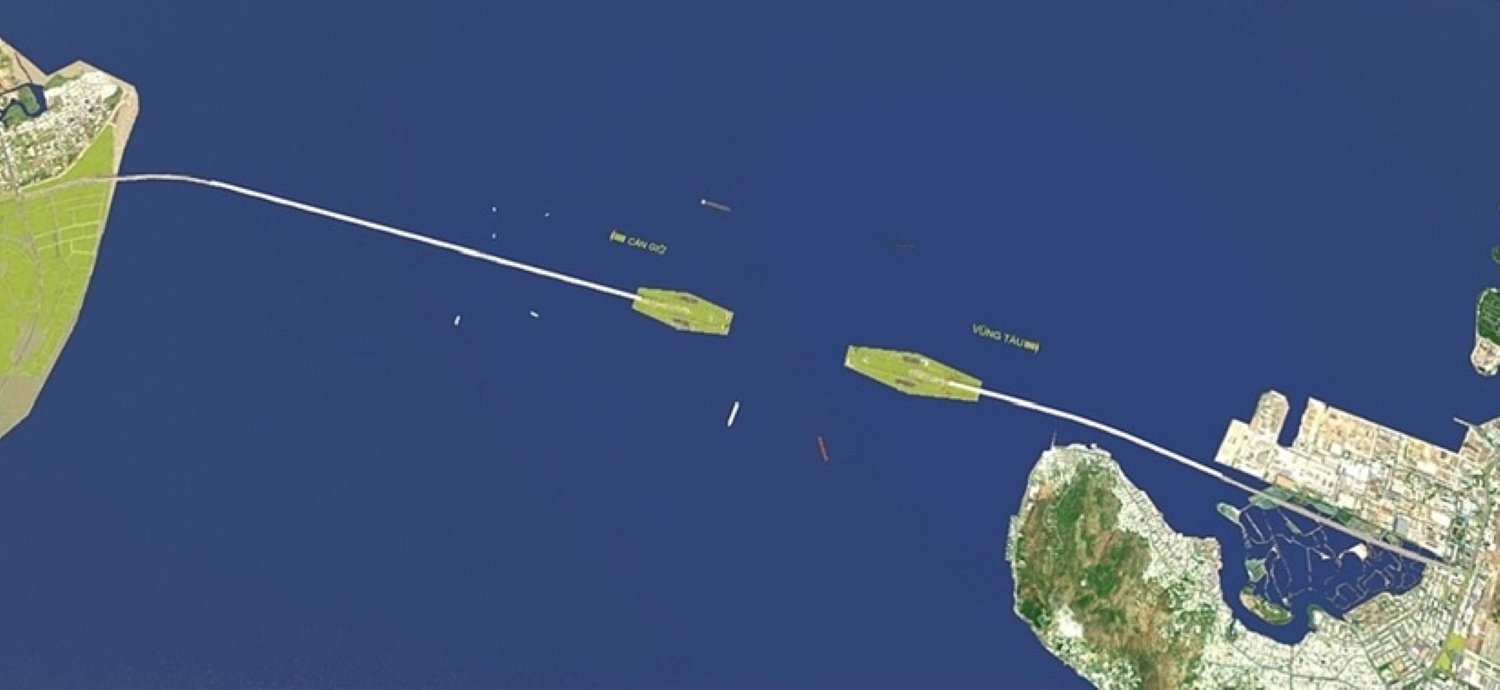
Not stopping at Can Gio bridge, Ho Chi Minh City is preparing to implement the Can Gio - Vung Tau sea crossing project, currently in the appraisal stage of the investment policy proposal report. The project is expected to start construction in 2026, be completed and put into operation in the second quarter of 2029.
The entire route has a total length of more than 14 km, including about 3.1 km of tunnels, nearly 8 km of bridges and about 3 km of access roads.
The total investment of the project is more than 104,410 billion VND according to the BT contract. When completed, the travel time from the center of Ho Chi Minh City to Vung Tau is only about 60 - 70 minutes.
Previously, Ho Chi Minh City also grounded the Ben Thanh - Can Gio Metro project, more than 54 km long, with a total investment of about 102,430 billion VND.
This metro line is expected to operate from the fourth quarter of 2028, shortening the travel time from the city center to Can Gio to about 20 minutes.
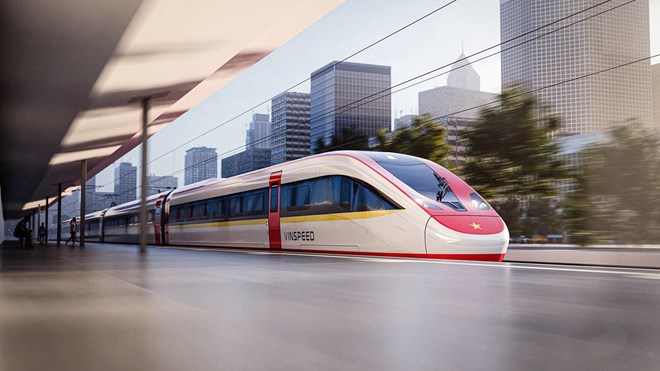
With Can Gio bridge, Can Gio - Vung Tau sea route and Ben Thanh - Can Gio Metro, the Southern area of Ho Chi Minh City is gradually forming a strategic transport infrastructure network, connecting roads, urban railways and inter-regional transport.
When these projects are completed, Can Gio will not only escape the "oasis" of transportation that has lasted for many years, but also have the opportunity to make strong breakthroughs in economy, tourism and urban development, becoming an important sea gateway of Ho Chi Minh City in the future.


