
Da Nang city is famous for beautiful beaches such as My Khe, Non Nuoc or dense river and lake systems, but these are also areas with potential risks of drowning if there is no supervision and safety skills.
At the beaches, rescue teams are strengthened in both manpower and equipment. The warning flag system and loudspeaker continuously update the situation of waves and offshore currents so that people can promptly grasp.
Notably, along with traditional swimming activities, SUP paddleboarding is becoming a trend loved by many people and tourists. However, this is also a type of risky activity if participants lack skills and do not comply with safety regulations.
According to recommendations from the Management Board of Son Tra Peninsula and Da Nang tourist beaches, people participating in SUP rowing need to adhere to safe operating hours.
In addition, SUP riders are required to wear life jackets and use safety belts attached to the planks to avoid being swept away when falling into the water.
On the side of SUP service business units, the city requires strict compliance with safety regulations, organizing skills training for staff and specific guidance for customers before going into the water.
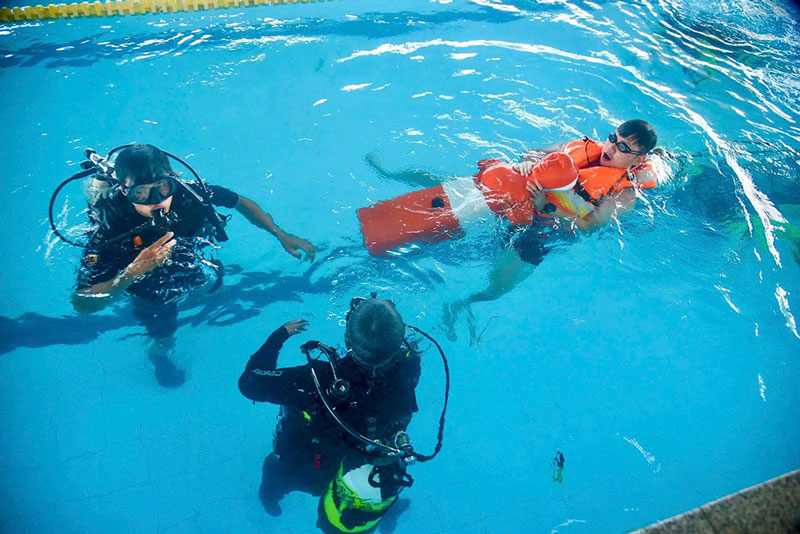
In parallel with rescue work, propaganda and education activities on drowning prevention skills are promoted in the community.
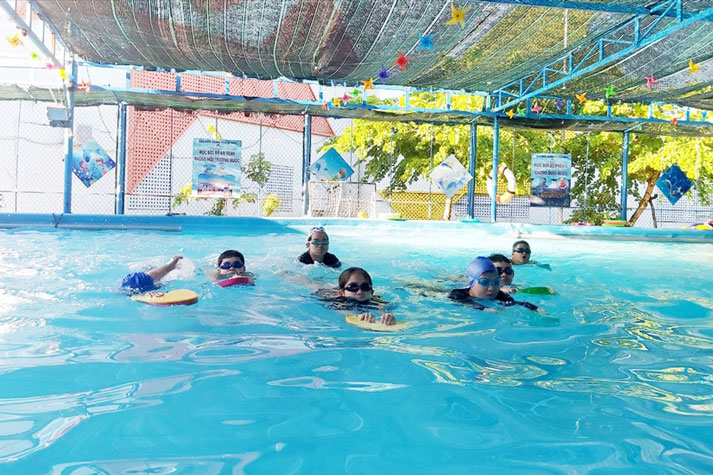
Many schools in the area have coordinated with sports centers to organize swimming classes, guiding skills in handling situations when encountering water accidents. Extracurricular activities and summer activities also integrate content on safety when participating in water activities.
Ms. Nguyen Thi Lan (resident of Hai Chau ward), a parent with two young children, shared: "Every summer, I am quite worried because my children really like going to the beach. This year, I registered my children to learn to swim early and always follow them closely when they go to the water.
I think the city's deployment of more rescue workers also helps parents feel somewhat reassured, but the most important thing is still the family's awareness.
Not only focusing on the sea area, the authorities of wards and communes also conducted reviews of ponds, lakes, and water storage facilities at risk of unsafety. Many places have installed warning signs and temporary barriers to limit children from approaching when no adults are accompanying them.


