
On the afternoon of August 10, Chairman of An Giang Provincial People's Committee Ho Van Mung had a working session with the Provincial Steering Committee 515 on the results of implementing the 500-day and night Campaign to promote the search, repatriation and identification of martyrs' remains.
According to the report, in phase XXV, the 2025-2026 dry season, the forces searched and collected 170 sets of martyrs' remains, including 128 sets in Cambodia and 42 sets in the province; identified the identity of 1 set of martyrs' remains. The sets of remains were organized for a memorial service and burial at Doc Ba Dac Martyrs' Cemetery.
Entering the XXVI phase, the 2026-2027 dry season, from July 29 to August 7, 2026, Teams K92 and K93 continued to search for and repatriate 55 remains of unidentified martyrs. Among them, Team K92 repatriated 44 remains in Kien Luong commune; Team K93 repatriated 11 remains in Chi Lang ward and Tri Ton commune.
Regarding the work of taking samples to serve the identification of martyrs' remains, through a survey of 20 martyrs' cemeteries in the province, there are currently 35,945 graves. Of which, there are still 15,747 graves that have not been identified and have not been sampled for biological products. As of August 8, the province has organized sample collection for 2,258 cases, reaching more than 14%. The work of collecting DNA samples from relatives of martyrs has been carried out, reaching more than 83%.
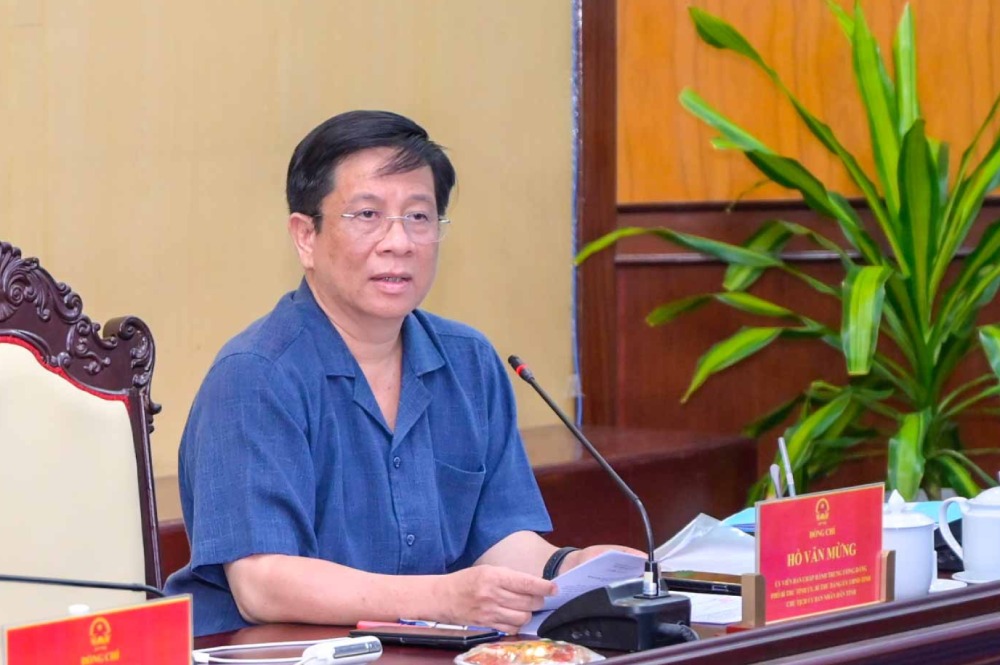
Speaking at the working session, Chairman of An Giang Provincial People's Committee Ho Van Mung acknowledged the efforts of the Provincial Steering Committee 515, the Provincial Military Command, departments, branches, localities and forces directly performing the tasks. The comrade requested that the work of searching for and repatriating martyrs' remains must be carried out with a spirit of urgency and decisiveness, wherever information is available, it must be deployed immediately, without delay. When surveying and identifying information with basis, it is necessary to quickly report and organize the search and repatriation; for unclear information, it is necessary to continue to verify and compare, and not to omit it.
For areas with many sources of information about martyrs but for many years the exact location has not been determined, the Chairman of the Provincial People's Committee requested to organize seminars, expand information collection from veterans, historical witnesses and people. For the Tram Du area (also known as Tram Forest 800), it is necessary to prepare carefully for the organization of seminars, proactively contact witnesses, including those living outside the province. In case witnesses are old, in poor health, and cannot directly attend, information can be extracted via telephone or online connection to avoid missing valuable sources of information.
Comrade Ho Van Mung requested to further promote the role of the press and technology in searching for martyr information. Areas that need to be verified must be widely informed, and at the same time, the focal points and phone numbers for reception must be announced so that veterans, relatives of martyrs and people can conveniently provide information. In the process of searching, gathering and taking samples, when artifacts or valuable information to identify martyrs are discovered, information must be promptly provided to expand the ability to search for relatives.
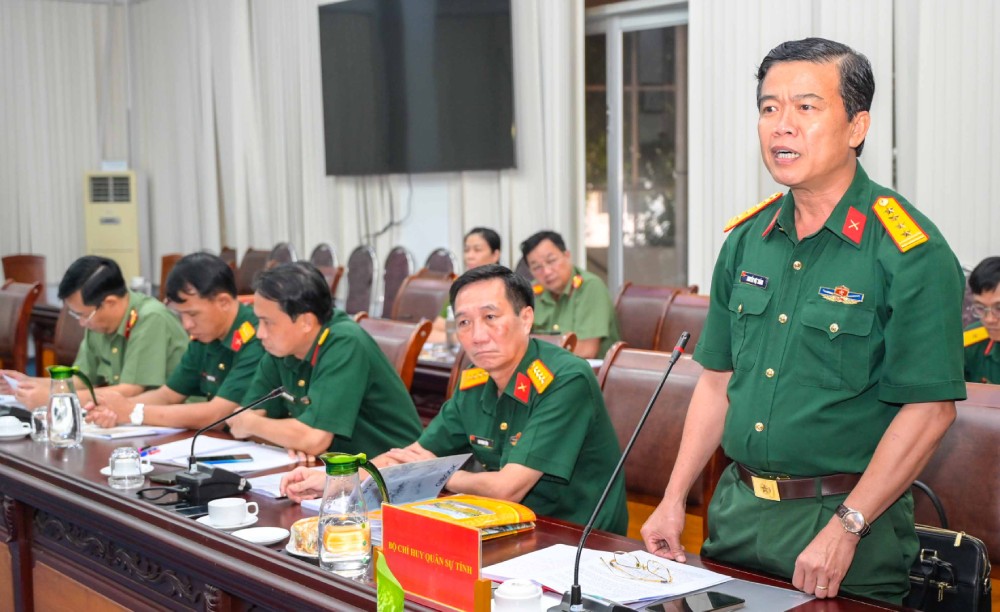
Regarding the number of martyrs' graves that have not been sampled for biological products, the Chairman of the Provincial People's Committee requested to develop a plan, specifically assign the volume and progress for each force and each cemetery; focus human resources and means, organize scientific and strict implementation, and strive to complete the sample collection of remains of martyrs whose information has not been determined before April 30, 2027.


