
Embarking in the deep forest, border gates
In June, in the flow of memories of Vietnamese Revolutionary Press Day, the story of journalists in the border region evokes many reflections on the profession.
In remote lands, where the working path is a trail through mountains and streams in the forest, they are also people who listen to life, reflect the truth and contribute to maintaining peace in the Fatherland's border.
For journalist Tran Vu Tuan - Deputy Head of the News, Newspaper and Radio and Television Department of Son La, after 25 years of working in journalism in mountainous areas, the most profound thing that remains is not the arduous journeys, but the people's trust in journalists.
Mr. Tuan recounted that there are villages in highlands and border areas that have to cross mountains and streams for many hours to reach their destination.
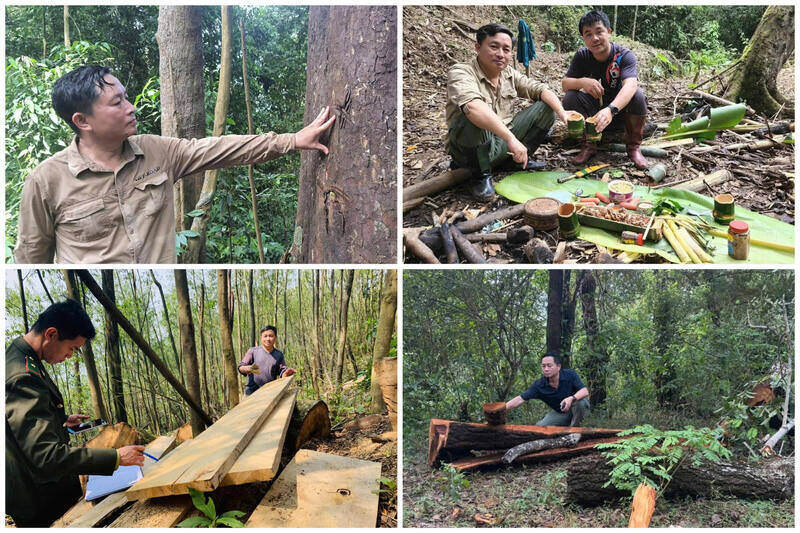
Long roads, dangerous terrain, and many poor working conditions, but people are always willing to open their hearts and share.
For him, the journalism profession wants to have works with weight, reporters must go deep, stay long, listen carefully and verify every detail.
Especially, in investigative articles about deforestation, illegal mineral exploitation or the elimination of opium poppies, dangers and pressure are always present. At times, reporters are made difficult, monitored, and even threatened with death by subjects. But these challenges further motivate journalists to persistently pursue the truth," Mr. Tuan said.
The good news, according to Mr. Tuan, is that many articles after being published have contributed to helping functional agencies promptly inspect and handle violations, prevent deforestation, illegal exploitation of resources, and eliminate the area of opium poppies.
More importantly, people's awareness of forest protection and law compliance has gradually been raised.
For journalist Nguyen Duy Chien - former resident of Tien Phong Newspaper in Lang Son, former Editor-in-Chief of Van Nghe Xu Lang Magazine, journalistic memories began very early.
Since he was a student in the mountain town of Dong Mo, Chi Lang, Mr. Chien has written poetry, literature, and sent news articles reflecting the life of the school and homeland to Lang Son Newspaper, special issues "Chi Lang Corps", "Military Region 1", Lang Xu Literature and Arts Magazine, Lang Son Radio Station... and became a close "child collaborator" of editorial offices.
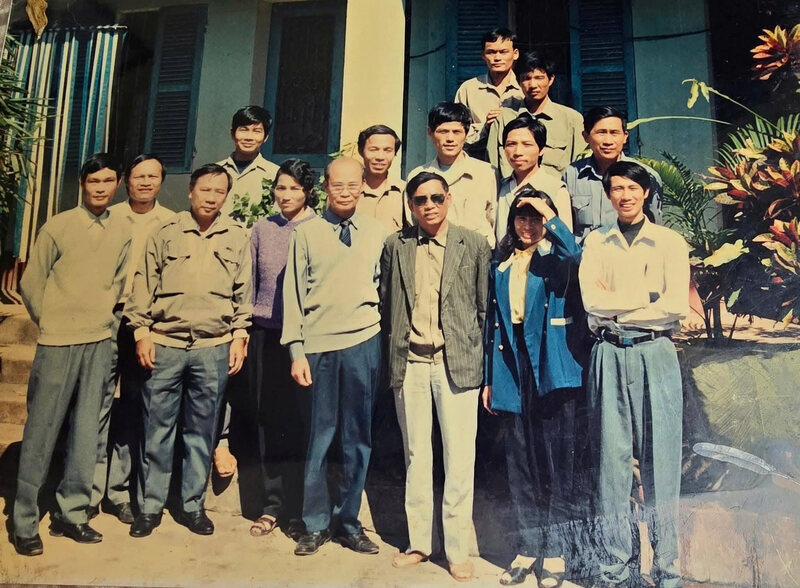
He will always remember the time he was invited to attend the "Collaborator - Correspondent of Lang Son Newspaper" Conference in 1982: "From Dong Mo to Lang Son town is only about 36 km, but at that time we had to travel by car for more than half a day.
There are few passenger cars, the old National Highway 1A through Sai Ho Pass has many potholes and craters, sometimes the car has to push while driving. Arriving there, the young student walked into the headquarters of Lang Son Newspaper, and was warmly welcomed by the journalists in front.
After the conference, he was encouraged by teachers, friends, and local leaders, and even received 14 kg of rice per month from the former Chi Lang District Food Department to "nurture his special talent".
Later, when he became a professional reporter, Mr. Chien was present many times at hotspots in border areas.
I used to go with the Customs force in the Huu Nghi border gate area on anti-smuggling trips, once almost died. I also participated with the Border Guard in the journey to arrest Le Van Luyen - the perpetrator in a particularly serious case that shocked public opinion. Once, while working at the Pac Nga Temple festival, I was assaulted," Mr. Chien recounted.
Those impacts show that behind each news item, article is a whole process of sticking to the scene, facing risks and maintaining professional bravery.
Preserving cultural identity in the digital age
From another perspective, journalist Vi Thi Thu Dam - Editor-in-Chief of Lang Son Literature and Arts Magazine, Vice Chairman of the Lang Son Provincial Literature and Journalists Association, believes that writers in border areas also have the mission of preserving, transforming and spreading indigenous cultural values.
According to Ms. Dam, the cultural values of each locality are a valuable source for literature and art to form its own identity. However, for these materials to go beyond the scope of a land, the creator needs to go from the private to the common.
In the digital age, social networks and new platforms open up great opportunities for local literary and artistic works to reach the wider public.
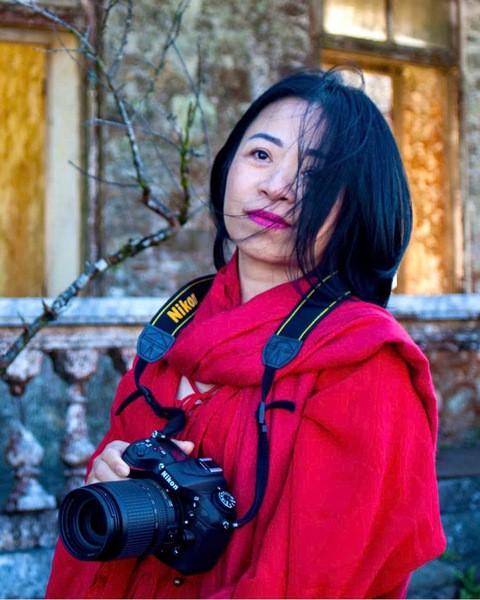
For her, technology does not reduce the value of literature, if the creator knows how to take advantage of the new platform to spread the work while still maintaining professional standards.
The journalism profession in the border area is therefore not just a job of reporting. It is a journey to maintain trust with the people, maintain bravery in the face of difficulties and keep the fire of the profession with works written from responsibility, love for the homeland and persistent dedication.


