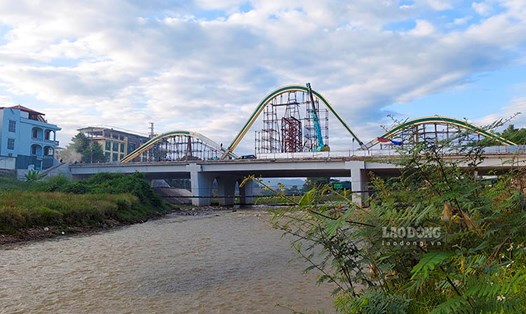
Changing the Muong Thanh field
For more than 60 years, Nam Rom Dai irrigation has still brought water to Muong Thanh fields every day, contributing to turning this place into one of the largest rice granaries of Dien Bien.
To have that flow of water is a story about youth, will and sacrifices during the war years.
After the Dien Bien Phu Victory, the lives of ethnic people in Lai Chau province (before the province was separated) were still difficult at that time.
Agricultural production is limited, and food mainly depends on subsidies from the Central Government.
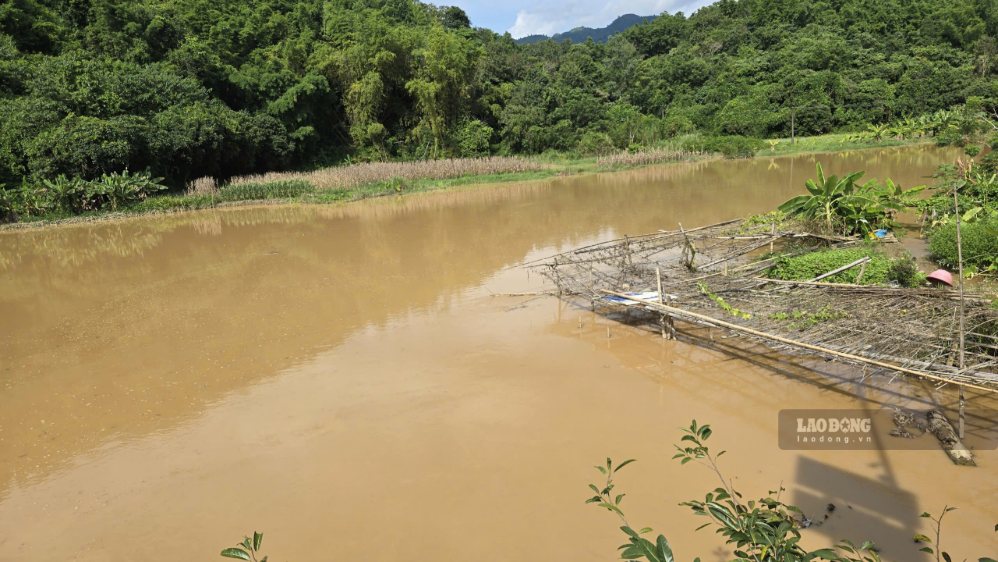
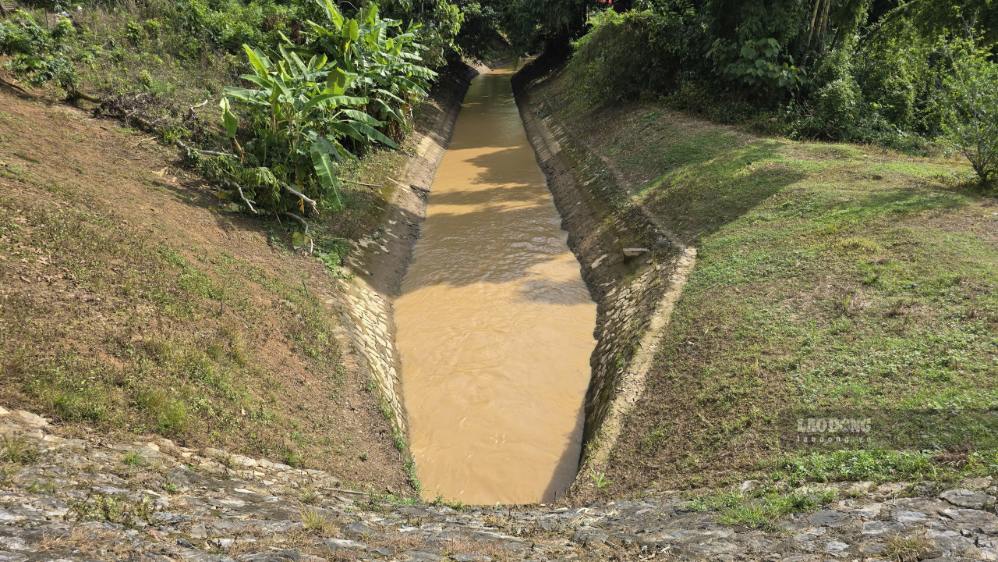
Faced with the requirements of production development, the Party and State advocated surveying and investing in the construction of Nam Rom Great Irrigation Project to expand the reclaimed area and proactively provide water for Muong Thanh fields.
On October 3, 1963, the project was officially started with the core force of more than 2,000 cadres, youth volunteer members and local ethnic minorities.
After nearly 7 years of construction, in 1969, Nam Rom Great Irrigation was completed. At the time of operation, this was the largest irrigation project in the Northwest region.
The project put into operation has created a major shift for agricultural production in the Dien Bien basin area.
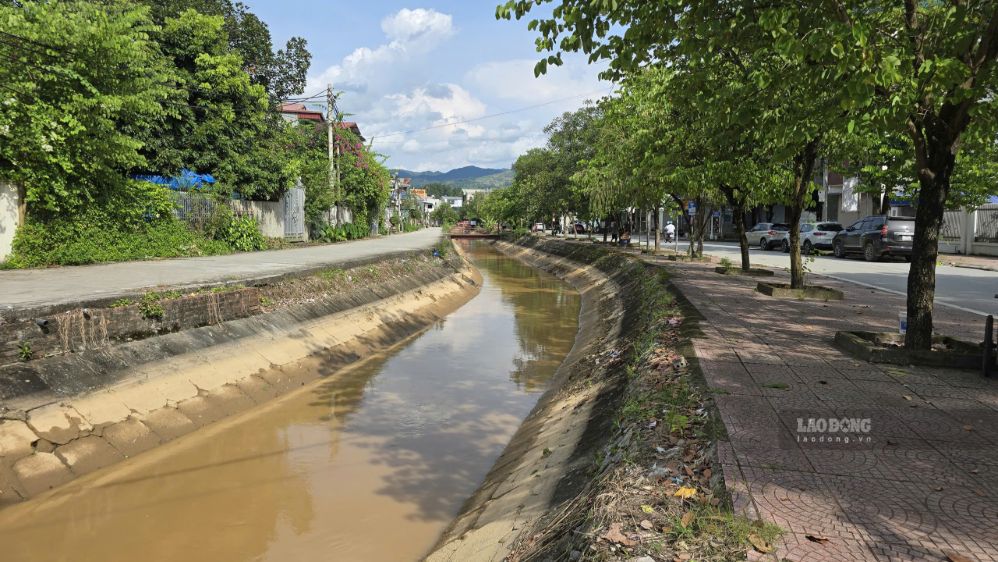
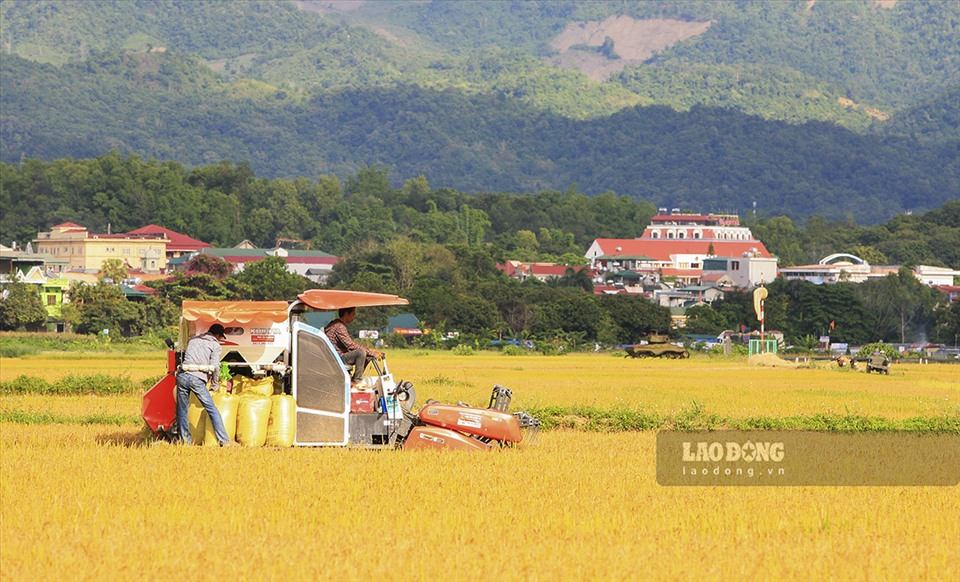
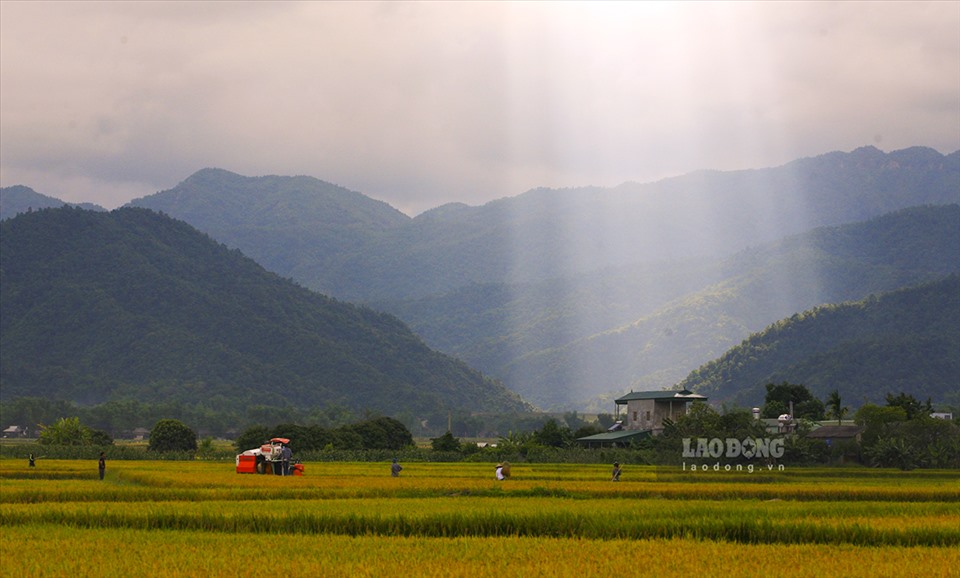
The irrigation area has been expanded from about 2,000ha to nearly 6,000ha; production from one rice crop to two crops, while developing winter crops and aquaculture.
Proactive water sources help increase rice yield, creating a foundation for Muong Thanh fields to become an important agricultural production area of Dien Bien province.
Both construction and bomb and bullet resistance
Behind that particularly meaningful irrigation project are the arduous years of thousands of people at the construction site.
Mr. Tran Cong Chinh - a former youth volunteer (TNXP) of Dien Bien province, who directly participated in the construction of the project - recalled that the time when Nam Rom Dai Thuy Nong was deployed was also when the destructive war in the North was fierce.
The youth volunteer force had to construct with high intensity, while facing bombs and bullets.
The most important item is the water-raising head dam built of concrete-covered stone, more than 9m high. The dam was once hit by US bombs, but the dam body is still safe," Mr. Chinh recounted.
To protect the dam body, people at the construction site bundled bamboo into bundles, stacked them on top of each other into a layer about 5m thick to cover the entire dam body.
During the day, teams and groups have to evacuate into the forest to avoid planes and flares. At night, they return to the construction site to dig, pile, and pour concrete, continuing their work.
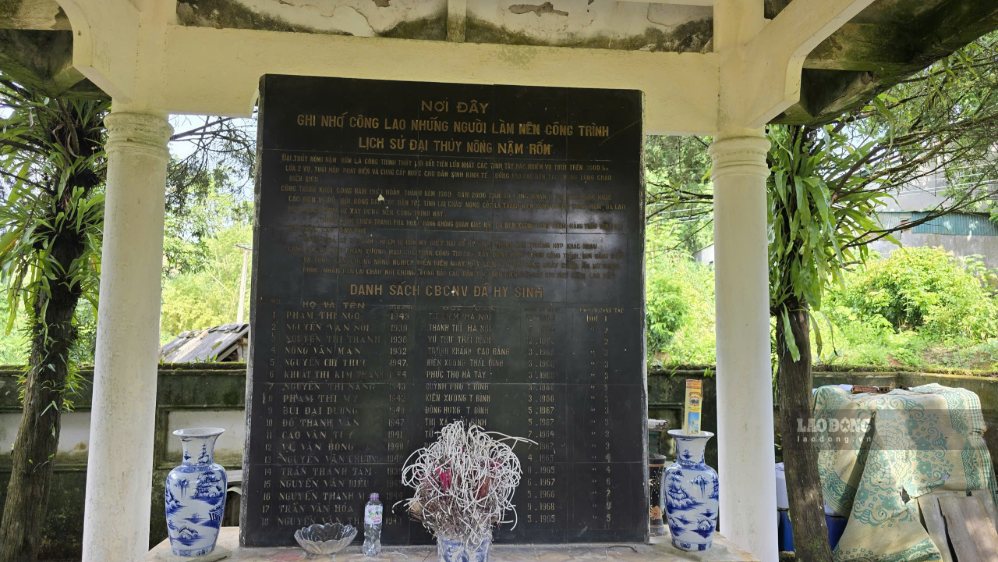
At the construction site at that time, 18 youth volunteers sacrificed themselves while on duty," Mr. Chinh said.
Those who sacrificed themselves have remained on Dien Bien land, and many youth volunteers after the project was completed continue to stay, contributing to building the local economy.
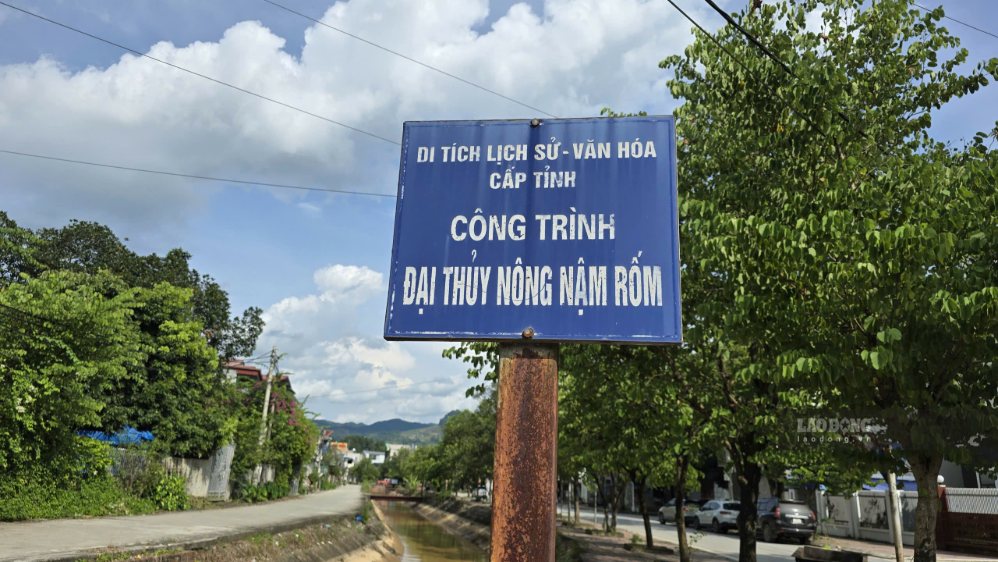
On May 7, 2015, Dien Bien province held a ceremony to announce the decision and receive the Provincial-level Historical and Cultural Relic Ranking Certificate for the Nam Rom Great Irrigation Project.
After more than half a century of operation, many items of the project have deteriorated. However, the system still ensures irrigation function, maintaining water sources for production in Muong Thanh fields.
From a project built in the midst of the war years, Nam Rom Great Irrigation today not only carries the value of an irrigation project.
That is also the mark of a period when thousands of youth volunteers and ethnic minorities contributed, even sacrificed, to bring water to the fields.
More than 60 years have passed, the Nam Rom River still flows through the Muong Thanh fields, bringing a story about the people who created a project of special significance to Dien Bien.