
Vietnam maintains energy security
On April 13, in Hanoi, Lao Dong Newspaper organized a seminar "Energy saving: Key to survival in the face of global fluctuations".
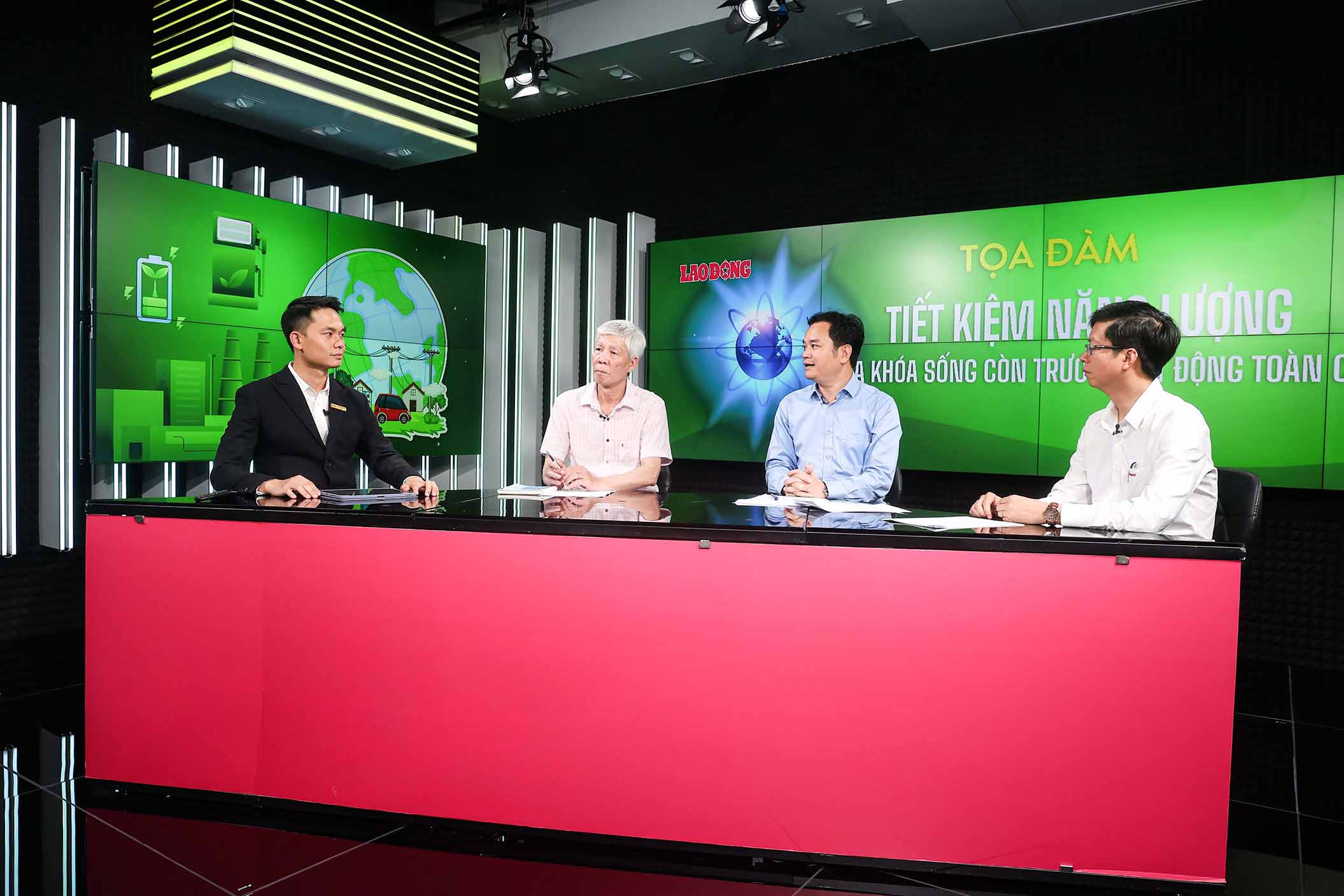
At the seminar, Mr. Cu Huy Quang - Head of Energy Efficiency and Green Transformation Department (under the Department of Innovation, Green Transformation and Industrial Promotion, Ministry of Industry and Trade), assessed that geopolitical conflicts in the world, especially in the Middle East in recent times, are directly affecting many energy importing countries, including Vietnam.
According to Mr. Quang, the most obvious impact is the fluctuation of gasoline and oil prices, a factor closely linked to people's lives and production and business activities.
Energy sources such as oil, coal and electricity are essential inputs to the economy, dominating the entire production, logistics and distribution chain. Therefore, supply fluctuations not only affect costs but also pose challenges to national energy security," Mr. Quang emphasized and said that in that situation, Vietnam has proactively issued many policies to ensure energy security.

In which, the Politburo issued Conclusion 14-KL/TW dated March 20, 2026 on ensuring stable fuel supply and prices in the new situation; along with Directives 09/CT-TTg and Directive No. 10/CT-TTg of the Prime Minister on strengthening the implementation of energy saving and electricity saving, and a series of requirements on renewable energy development and promoting electric vehicles have been implemented synchronously.
According to the latest reports, Vietnam is currently still ensuring good energy security. Supply is maintained stably, sufficient to meet demand for about 26 days, even in the event of supply chain disruption. This contributes to ensuring that production, living and economic growth are not interrupted.
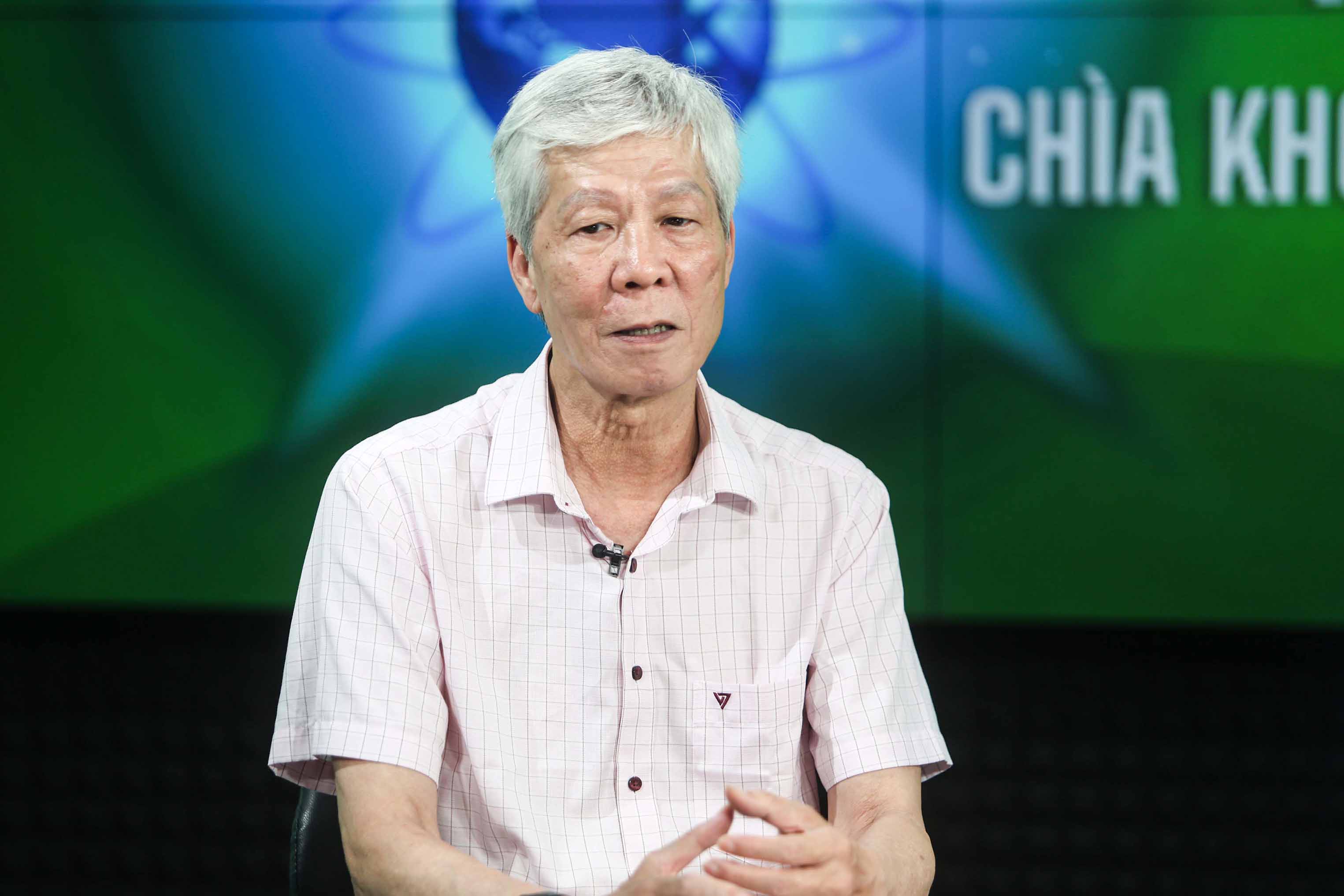
Assessing Vietnam's energy system in the face of world market shocks, Mr. Nguyen Anh Tuan - Standing Vice Chairman, Secretary General of the Vietnam Energy Association - said that there are still many advantages.
Autonomy level reaches about 58% of primary energy needs; electricity covers more than 99% of the population; a widespread petroleum network with the participation of both state and private enterprises. Vietnam also possesses diverse energy resources, from coal, oil, gas, hydropower to renewable sources such as wind power, solar energy and biomass.
Two large domestic oil refineries supply about 16 million tons of gasoline and oil of all kinds each year, contributing to ensuring supply. In particular, the energy transition strategy is being promoted, aiming to gradually reduce import dependence.
Energy autonomy challenges and urgent green transition requirements
In addition, the energy system still faces many challenges: key oil and gas fields have passed their peak, reserves have decreased, and new discoveries are not enough to compensate.
The large hydropower potential is almost fully exploited; Vietnam is still dependent on about 42% of imported fuel, posing risks in the face of geopolitical fluctuations and supply disruptions.
Gasoline and oil alone are essential commodities, we have only been proactive in about 1/3 of domestic demand," Mr. Tuan said and said that although renewable energy in Vietnam is developing rapidly, investment costs are still high, creating pressure on the affordability of businesses and people, requiring an appropriate roadmap.
In that context, ensuring energy security and improving autonomy continues to be identified as a strategic orientation throughout the State's policies and plans.
Agreeing with this view, Mr. Cu Huy Quang - affirmed that using energy economically and efficiently is no longer an encouraging choice but has become an inevitable requirement in the context of global shift to a green growth model. Especially when participating in export markets that are increasingly strict about environmental standards.
According to Mr. Quang, currently, many large markets require products to meet "green" criteria, from production processes to energy sources used. This forces businesses to accelerate energy conversion, apply energy-saving solutions and improve energy efficiency.
Therefore, energy saving is not only the responsibility of the State but also the obligation of each business, organization and individual. Reducing dependence on fossil fuels, switching to clean energy sources such as wind power, solar power or biomass is becoming an inevitable trend.
Effectively implementing these solutions not only helps improve competitiveness, but also contributes to environmental protection, improving quality of life and ensuring community health, towards a green economy and sustainable development.


