
Dong Nai land is associated with the process of reclaiming territory to the South
According to the People's Committee of Dong Nai province, the establishment of Dong Nai city directly under the Central Government stems from the history of formation, the requirement to preserve and promote the unique cultural and historical values of the nation and the reality of urban development in the province.
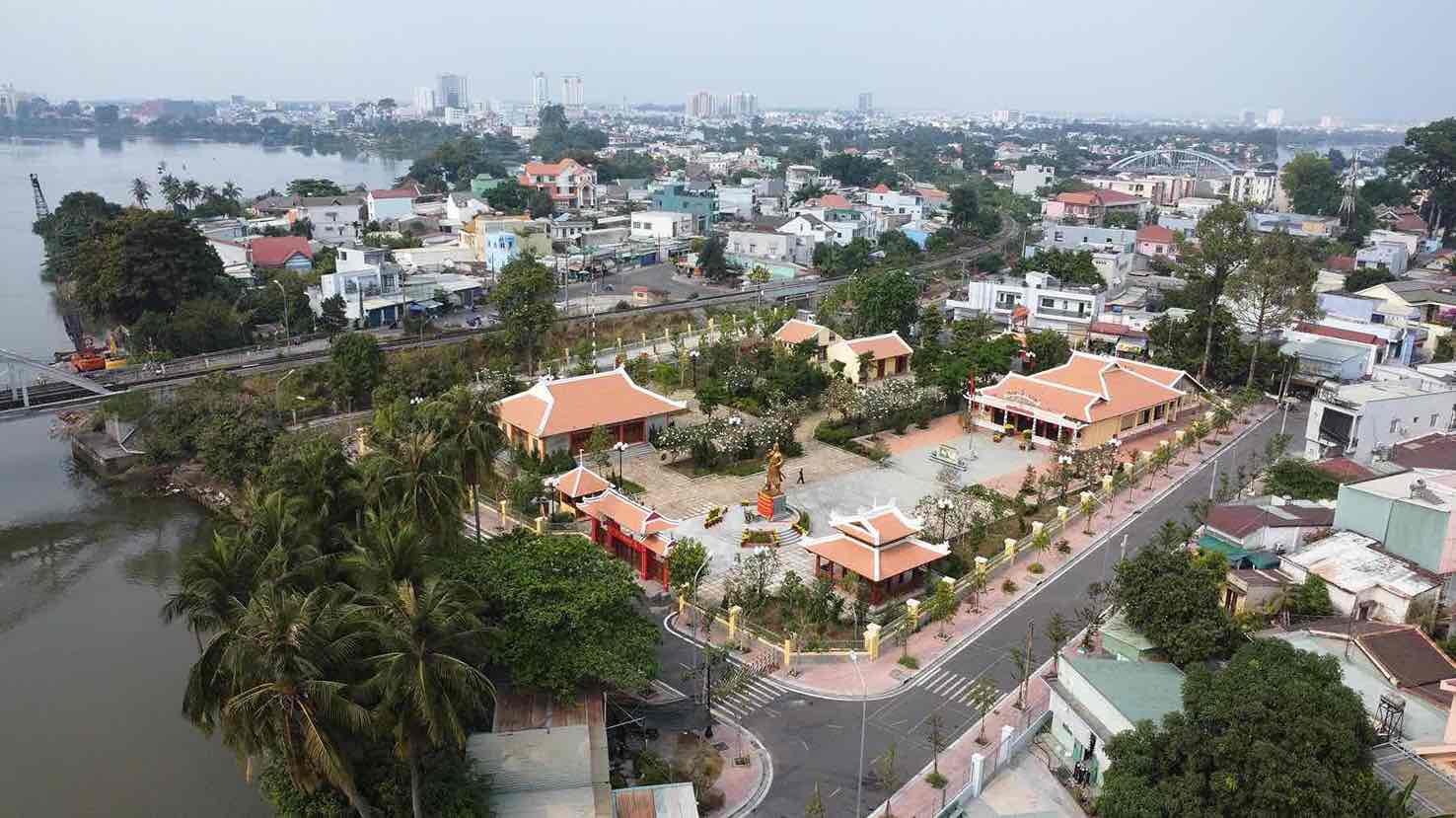
Dong Nai land is associated with the process of reclaiming territory to the South of the Vietnamese nation. In 1698, Thuong Suat Nguyen Huu Canh was sent by Lord Nguyen Phuc Chu to strategize the Southern land, establishing Tran Bien Palace, laying the foundation for the formation and development of the Bien Hoa - Dong Nai land today.
This is considered an important historical milestone in the process of establishing sovereignty and organizing administrative management of the Vietnamese feudal state over the Southern region.
In 1808, under the reign of King Gia Long, Tran Bien Palace was changed to Bien Hoa town, becoming one of the five towns belonging to Gia Dinh citadel, with vast administrative boundaries including most of the land belonging to the provinces of Dong Nai, Binh Duong, Binh Phuoc, Ba Ria - Vung Tau in the past and part of Ho Chi Minh City today.
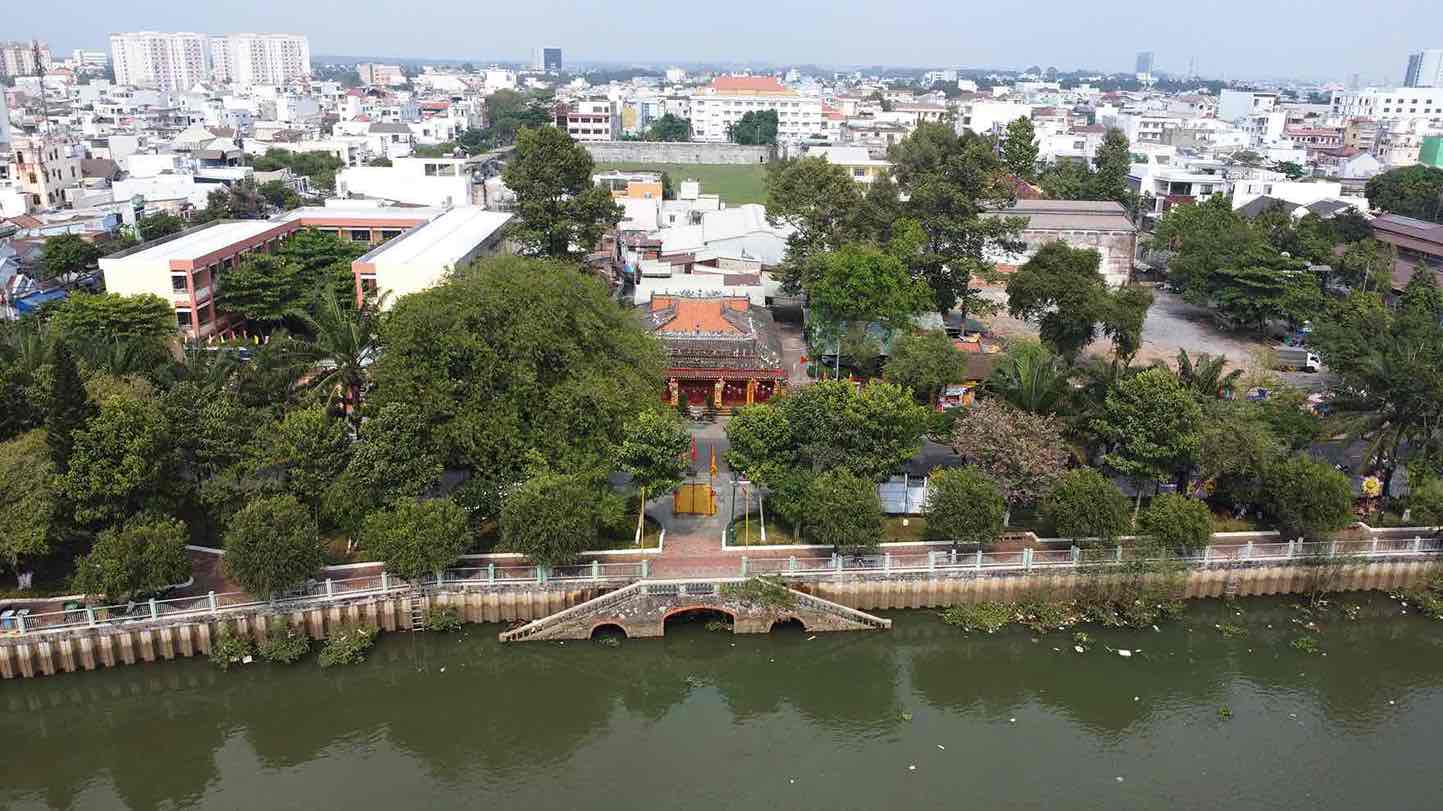
Through many historical periods and administrative boundary adjustments, Dong Nai land has always held an important position in the process of formation, development and shaping the socio-economic space of the South.
In the development history of this land, Nong Nai Dai Pho (now belonging to Cu Lao Hiep Hoa) was once one of the busiest trading ports of the South in the 17th - 18th centuries, playing an important trade center of the region. Trade, economic and cultural exchange traditions formed very early have created an important foundation for the urban development process of Dong Nai in the current period.
Building Dong Nai into a modern and sustainable urban area
Inheriting those historical values, in recent years Dong Nai has promoted the urbanization process, developed infrastructure and expanded urban space with many strategic plans. The investment in dynamic infrastructure projects such as Long Thanh International Airport, expressway system and inter-regional traffic axes is gradually creating a new face for the province's urban system, towards the goal of building Dong Nai into a modern, sustainably developed city and meeting the conditions to become a centrally-run city.
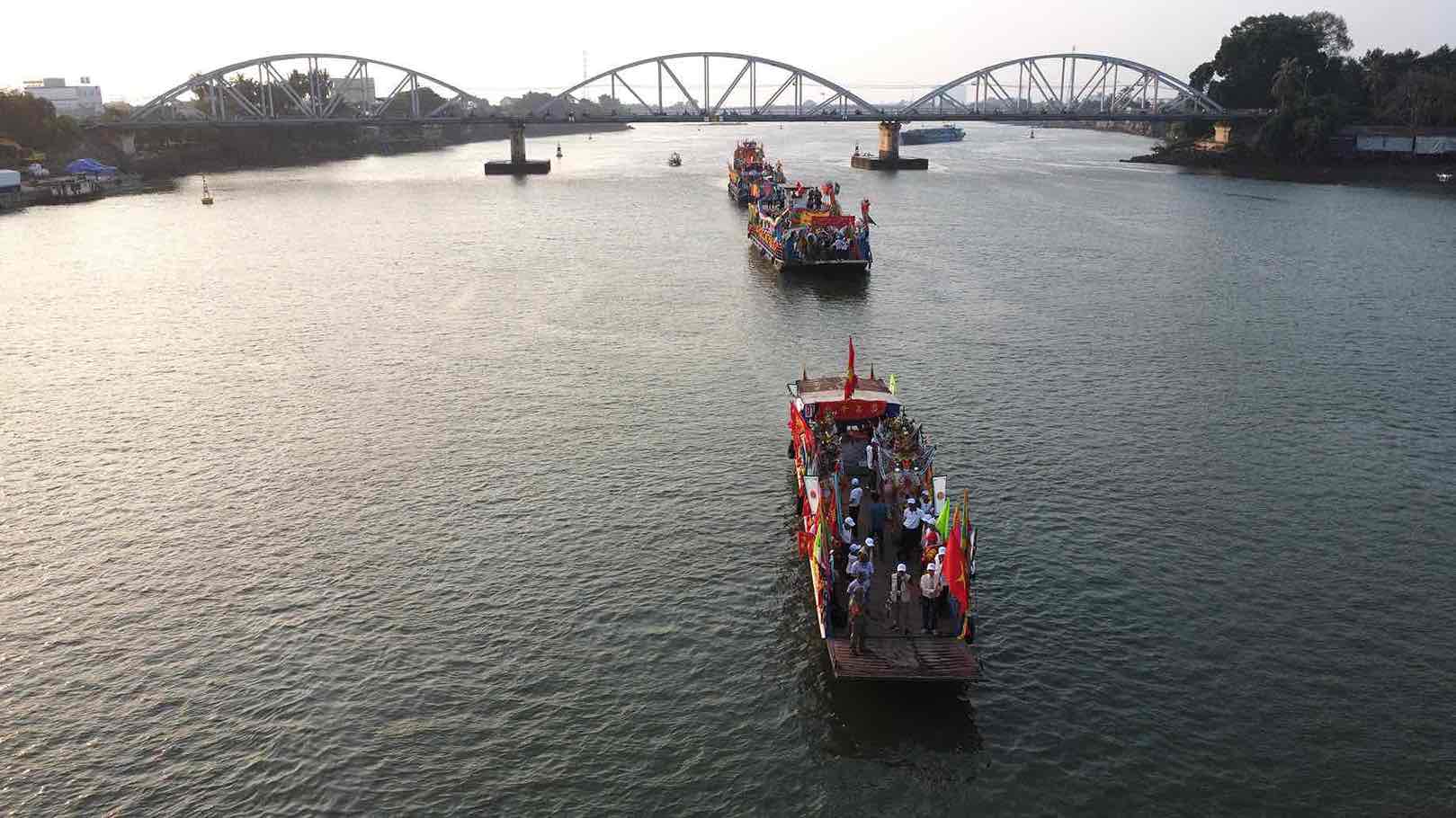
Speaking about the land that has been formed and developed for more than 325 years, Mr. Nguyen Kim Long - Standing Vice Chairman of Dong Nai Provincial People's Committee - said: Dong Nai is one of the cradles that opened the South; a place of intersection of many cultural, religious, and commercial flows; and also a land rich in patriotic and revolutionary traditions. Therefore, Dong Nai does not develop by leaving its core, but develops on the foundation of that core itself.
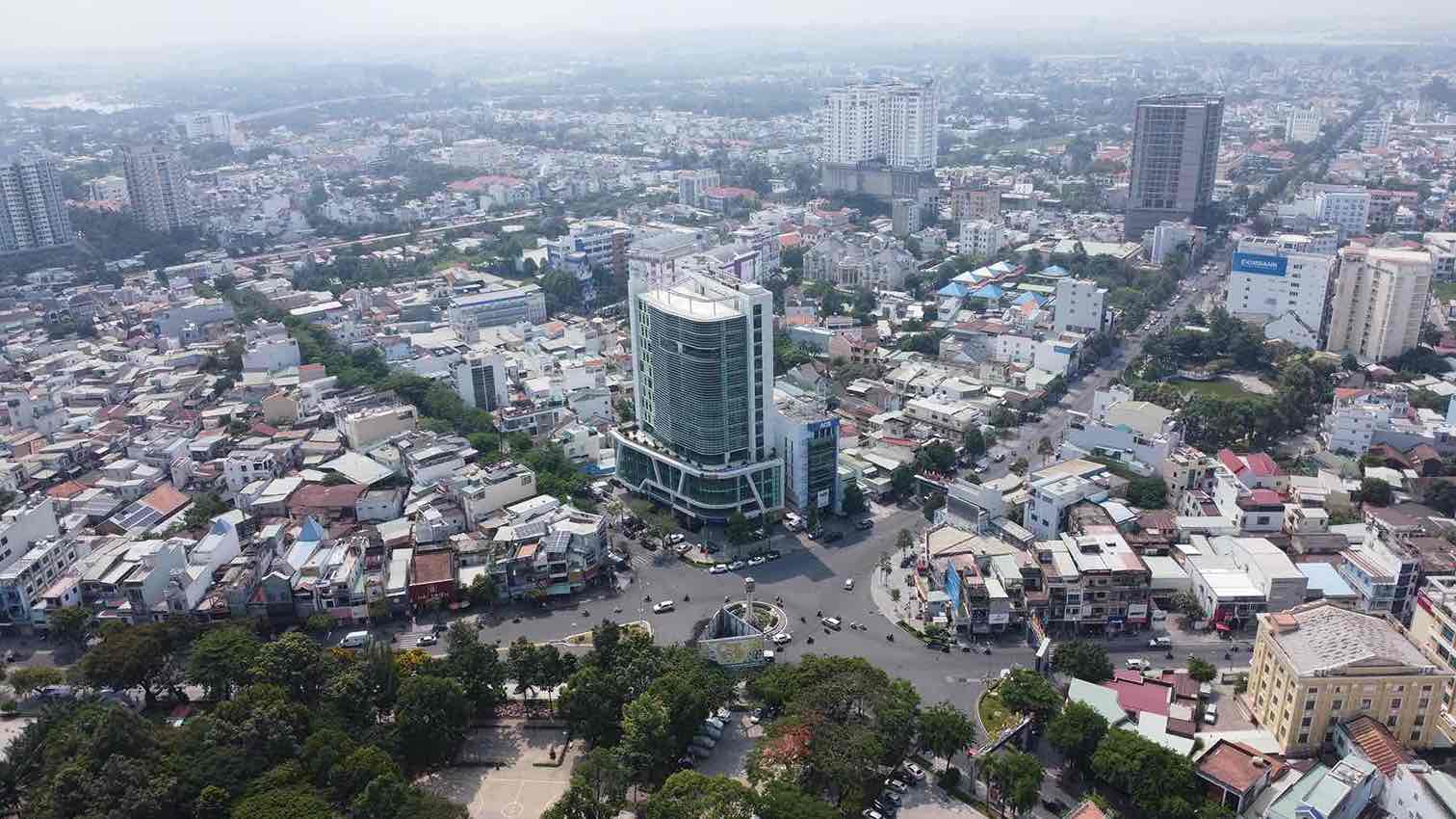
If organized according to the model of a centrally-run city, Dong Nai will have more conditions, more mechanisms and more room to harmoniously combine modernization with preservation, between rapid growth and sustainable development, between expanding urban space and preserving unique cultural and historical values. At that time, Dong Nai will not only be a large city in scale, but also a city with depth, bravery and unique identity.
On March 28, the 11th Dong Nai Provincial People's Council, the first session, just issued a Resolution approving the policy of establishing Dong Nai city directly under the Central Government and assigned the Provincial People's Committee to complete the dossier to submit to competent authorities for consideration and decision.


