
Everything begins... happily
On January 23, WWF - Vietnam and An Giang Provincial People's Committee held a conference to summarize phase 1 (2023-2025) and expand consultations on phase 2 (2026-2029) of the project "Restoring the natural cycles of the Mekong Delta (Mekong Delta) through solutions based on nature" (referred to as Mekong NbS).
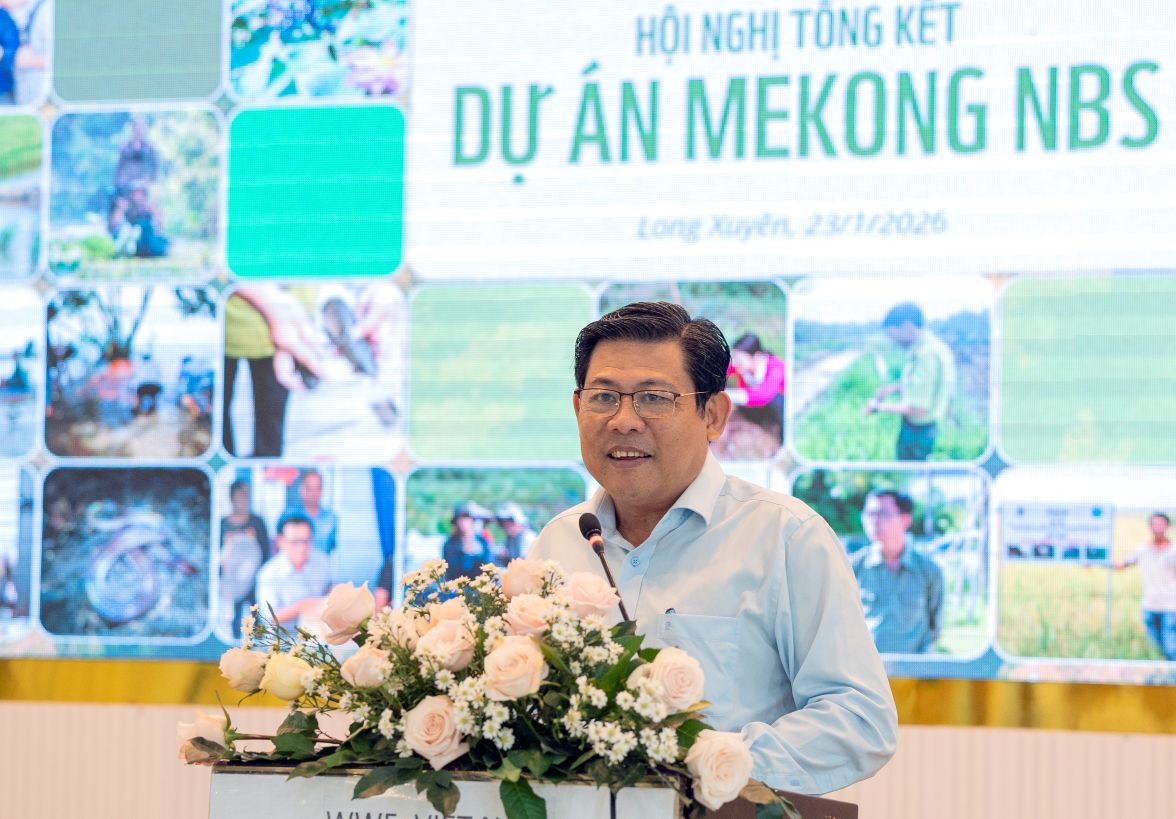
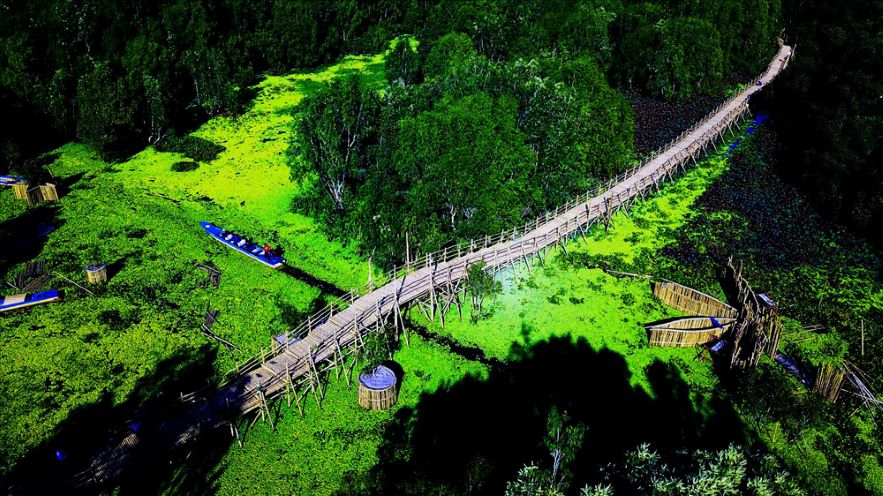
In the period 2023-2025, the project is piloted in the Tra Su melaleuca forest landscape protection area and surrounding buffer zone. Here, more than 160 hectares of melaleuca forest with more than 109,000 indigenous plant species have been restored in the core area.
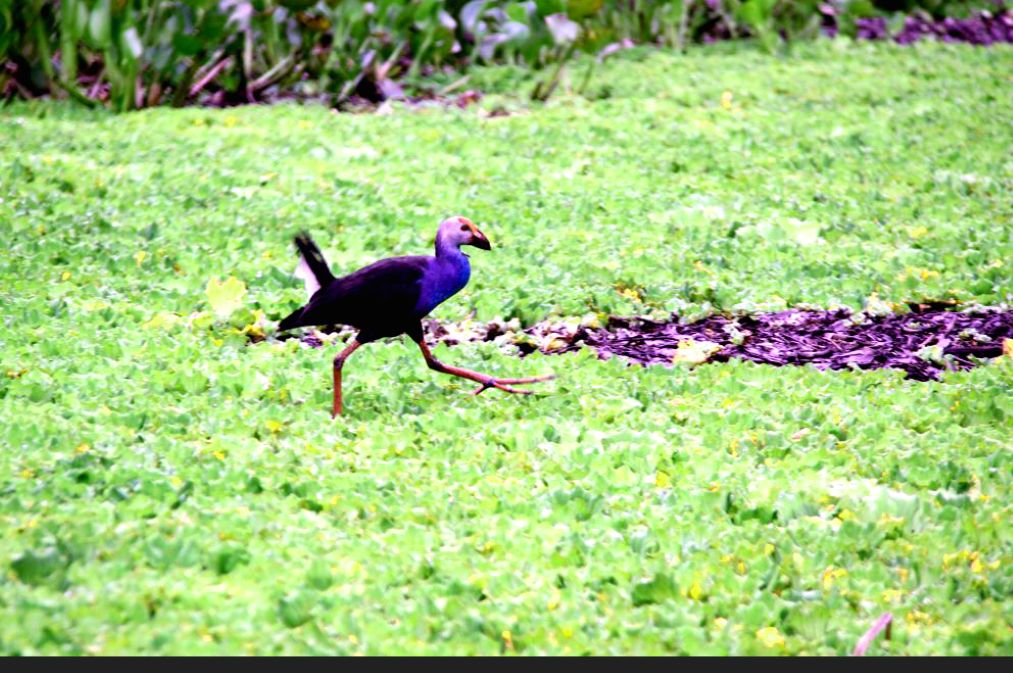
Not only on maps or technical reports, these changes are present right on the ground. In many areas of Tra Su buffer zone, young melaleuca forests gradually become dense, water birds return, and the forest becomes a "natural buffer" to help reduce flooding pressure and natural disaster risks for surrounding communities. The project also conducts comprehensive surveys of fish, bird, amphibians, reptiles and plant groups, and builds a scientific data platform for conservation management.
Notably, forest management capacity and buffer zone communities have been strengthened with more than 900 people being trained; forest protection patrol work has been digitized and integrated into the SMART system, helping to improve the efficiency of management, monitoring and protection of biodiversity. In addition, a new water management strategy has been built, simulating the hydrological regime of the Mekong River with a 6-month flooding - 6-month dry period... which has made important interventions to increase the recovery capacity of the melaleuca forest ecosystem, improve water storage function and create habitats for indigenous species.
Livelihood impact
At the workshop, delegates unanimously assessed that after 3 years of implementation, the project has proven the effectiveness of another approach, "welcoming floods": to let water return to fields, forests and flooded land, in accordance with its inherent natural role, in order to ensure livelihoods, water security and long-term adaptability for the Mekong Delta.
Mr. Tran Thanh Hiep - Deputy Director of the Department of Agriculture and Environment of An Giang province, said: "Flood season livelihood models are suitable for the aquaculture industry development strategy for the period 2021-2030, vision to 2045 of An Giang province.
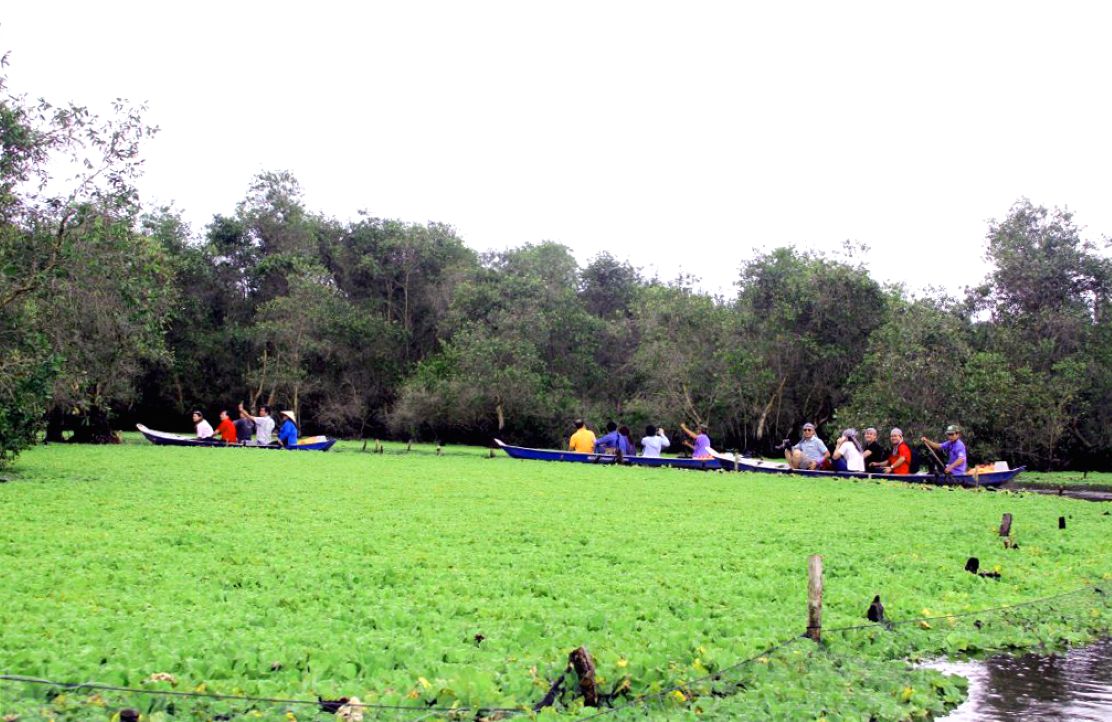
Through testing of flood-based livelihood models, maintaining seasonal flooding to increase soil fertility and piloting systems of combined rice-carnet-ecological tourism cultivation on an area of 235.2 ha of the project, it shows that the amount of alluvium accumulated reaches 3-5 tons/ha, many times higher than rice cultivation in the third crop, and at the same time brings in income from 50-100 million VND for participating farmer groups. The small credit support revolving fund of the project has also helped more than 100 women expand production and develop livelihoods during the flood season.
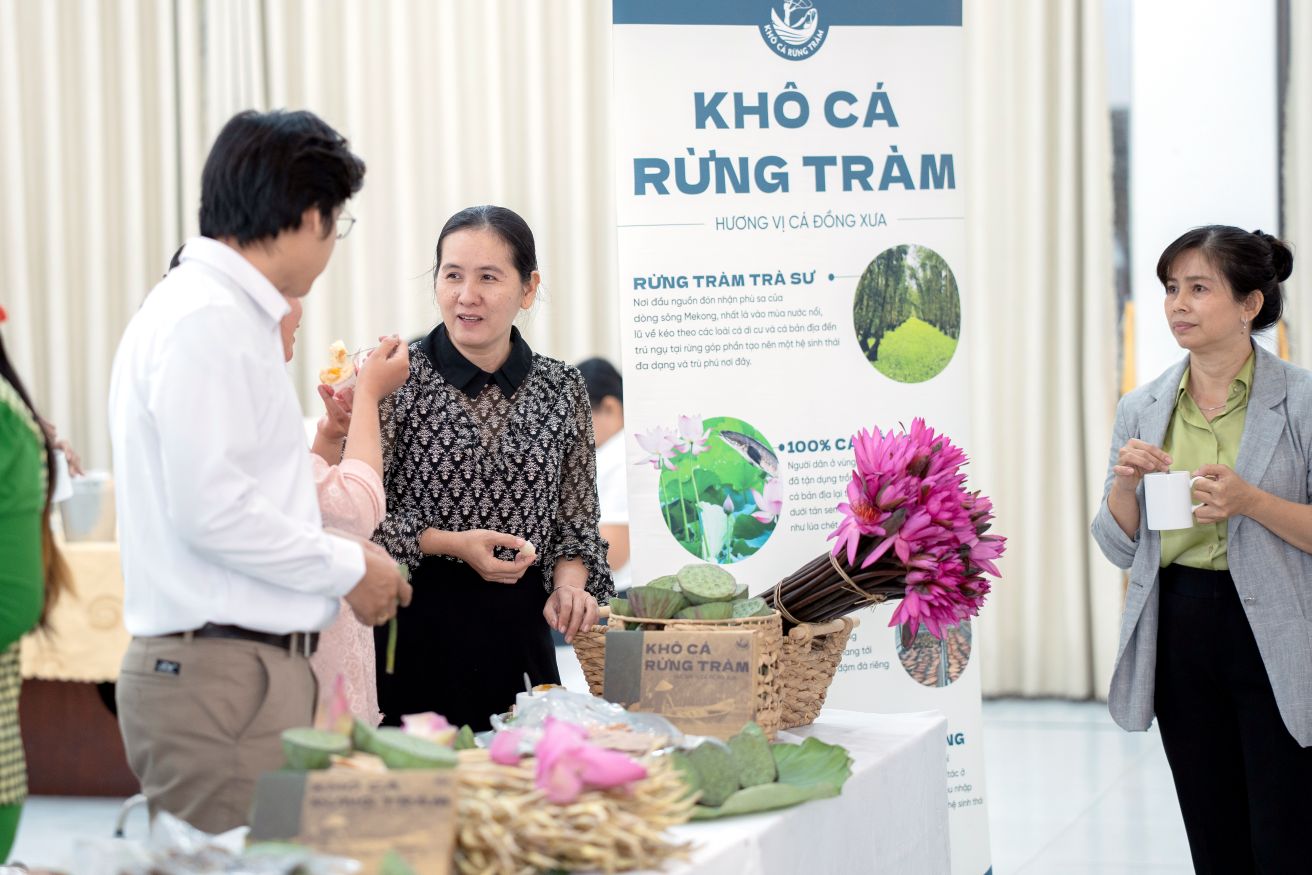
Mr. Nguyen Tan Tai - Head of Tai Phat Cooperative Group - participating in the model of raising yellow catfish in the flood season combined with growing lotus, making dried fish and welcoming tourists to experience the flood season, shared: "Previously, in the flood season, there was no work, people around only went fishing freely. Now everyone is looking forward to the flood coming so that the whole neighborhood can make a living, especially women helping each other make fish, weigh market fish, pick lotus... as food to welcome tourists is very fun.
Expanding the favorable path
From that positive result, WWF decided to expand the favorable path, consult with local partners on the goals of phase 2, including restoring or improving management of more than 5,830 hectares including forests, wetlands, flood farming areas and hilly ecosystems in the Long Xuyen Quadrangle area; prioritizing the expansion of at least 1,000 hectares of ecological agriculture and flood-based livelihoods in An Giang in the direction of "2 years 5 crops, 3 years 8 crops"; promoting the technologization of conservation work; and at the same time building technical dossiers for about 730 hectares of forest in Nui Sam, Thoai Son and Tuc Dup to promote the establishment of a new landscape protection area.
The overarching focus is to restore the natural cycle, increase water storage capacity - supplement alluvium - improve soil quality, thereby supporting sustainable livelihoods for communities, including vulnerable groups and the local Khmer community.
Ms. Luu Thi Lan, Project Manager of WWF-Vietnam, commented: "The project contributes to promoting agricultural restructuring in an adaptation - ecological - efficient direction. We expect this to be a replicable model in the Mekong Delta and countries such as Cambodia, Laos, Thailand, making practical contributions to the National Green Growth Strategy and the United Nations Sustainable Development Goals (SDGs).


