
Positive treatment results, significantly reducing financial burden
The story of Ms. N.T. N. A (30 years old), a Viet Kieu in New Zealand, is clear evidence of the development of medical tourism. After giving birth to her first child with difficult labor, she suffered serious injuries to her perineum and sphincter. Although she had undergone 3 surgeries in 3 months in New Zealand, the condition did not improve, and there was even a risk of prolonging treatment for another year. Faced with that situation, she decided to return to Vietnam.
At the Center for Colorectal and Perineal Surgery, Viet Duc Friendship Hospital, she was treated with modern surgical methods and attentive care. After only 10 days, she was eligible for discharge with positive results. Moved by the treatment results, she and her husband (Iranian nationality) wrote a handwritten letter thanking the medical team.
Another case is a family in Quang Ninh, with a relative suffering from stage 3 colon cancer intending to go to Singapore for treatment. However, after examination at K Hospital, they found that the domestic treatment regimen was equivalent, while the cost was only about 1/10. The treatment decision in Vietnam not only brought positive results but also significantly reduced the financial burden.
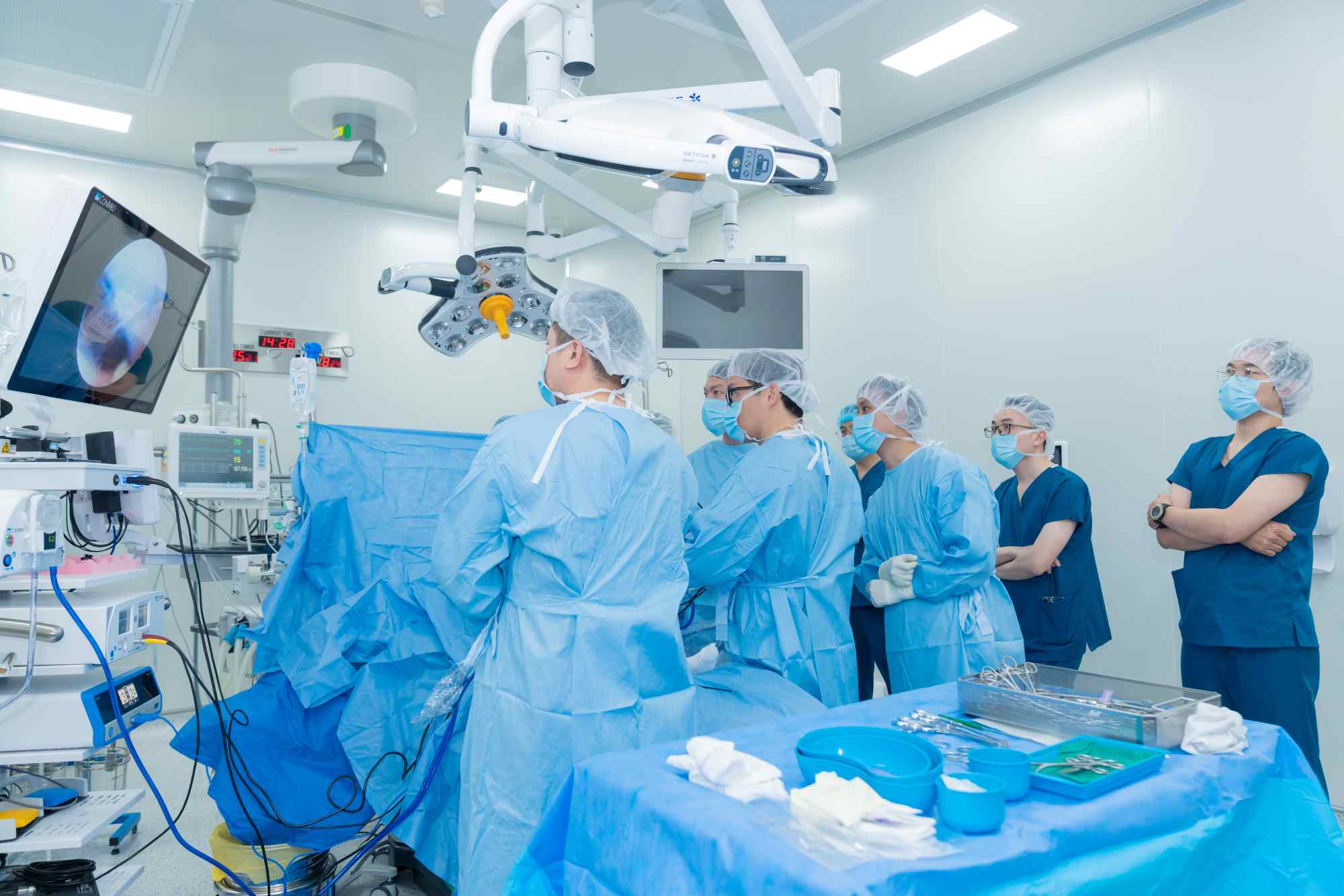
According to BSCKII Le Nhat Huy - Deputy Director of the Center, in the past year, the unit has received many cases of overseas Vietnamese from Poland, Hungary, Japan, England, New Zealand... returning for treatment. The common point is that they have gone through many treatments abroad but have not achieved the desired results. When returning to Vietnam, many cases have made good progress and recovered quickly. Not only stopping at expertise, the advantage of domestic treatment also lies in reasonable costs, short waiting times and especially the spiritual support from family.
Prof. Dr. Le Van Quang - Director of K Hospital - said that the hospital has invested heavily in modern technologies such as new generation endoscopy, PET-CT, MRI and robot surgery. The cost of robot surgery in Vietnam is about 150 million VND, much lower than about 1 billion VND in Singapore.
Advanced radiation therapy techniques such as 3D-CRT, IMRT, IGRT, VMAT... have approached regional levels, contributing to improving the effectiveness of cancer treatment. The hospital has also strengthened international cooperation and is highly appreciated by many foreign experts.
The great potential of medical tourism
According to the Ministry of Health, the scale of Vietnam's medical tourism market reached about 700 million USD in 2024 and could increase to nearly 4 billion USD in 2033, with an average growth rate of about 18% per year. This is a figure showing the great potential of this field.
Vietnam possesses many competitive advantages such as low costs, a team of highly skilled doctors and the ability to perform many complex medical techniques such as cardiology, organ transplantation, in vitro fertilization (IVF), dentistry...
These factors help Vietnam compete with major medical centers in the region.In order to exploit the potential, the Ministry of Health is developing a project to develop high-quality medical examination and treatment services in the period 2025 - 2030.The goal is to attract foreigners and Vietnamese people with high affordability, while limiting the situation of people going abroad for treatment.
According to the orientation, by 2030, there will be at least 5 key localities including Hanoi, Ho Chi Minh City, Da Nang, Quang Ninh and Khanh Hoa implementing integrated medical tourism models between hospitals - hotels - resorts - travel agencies. This is considered an important step to form a comprehensive health care ecosystem.
The project also aims to develop at least 15 international standard hospitals, including 5 public hospitals. At the same time, service packages will be diversified, including high-tech treatment, traditional medicine combined with resorts, and comprehensive health care.
Forming a health - resort ecosystem
Hanoi aims to become a reputable medical tourism destination in the region and the world, combining high-quality medical examination and treatment with tourism and healthcare. In 2026, the Capital's health sector will focus on upgrading infrastructure, equipment, training human resources and applying artificial intelligence in early diagnosis. Many key projects such as Oncology Hospital, Hanoi Heart Hospital, Xanh Pon Hospital, Hanoi Children's Hospital phase 2... will be invested, along with modern care - recovery - therapy complexes.
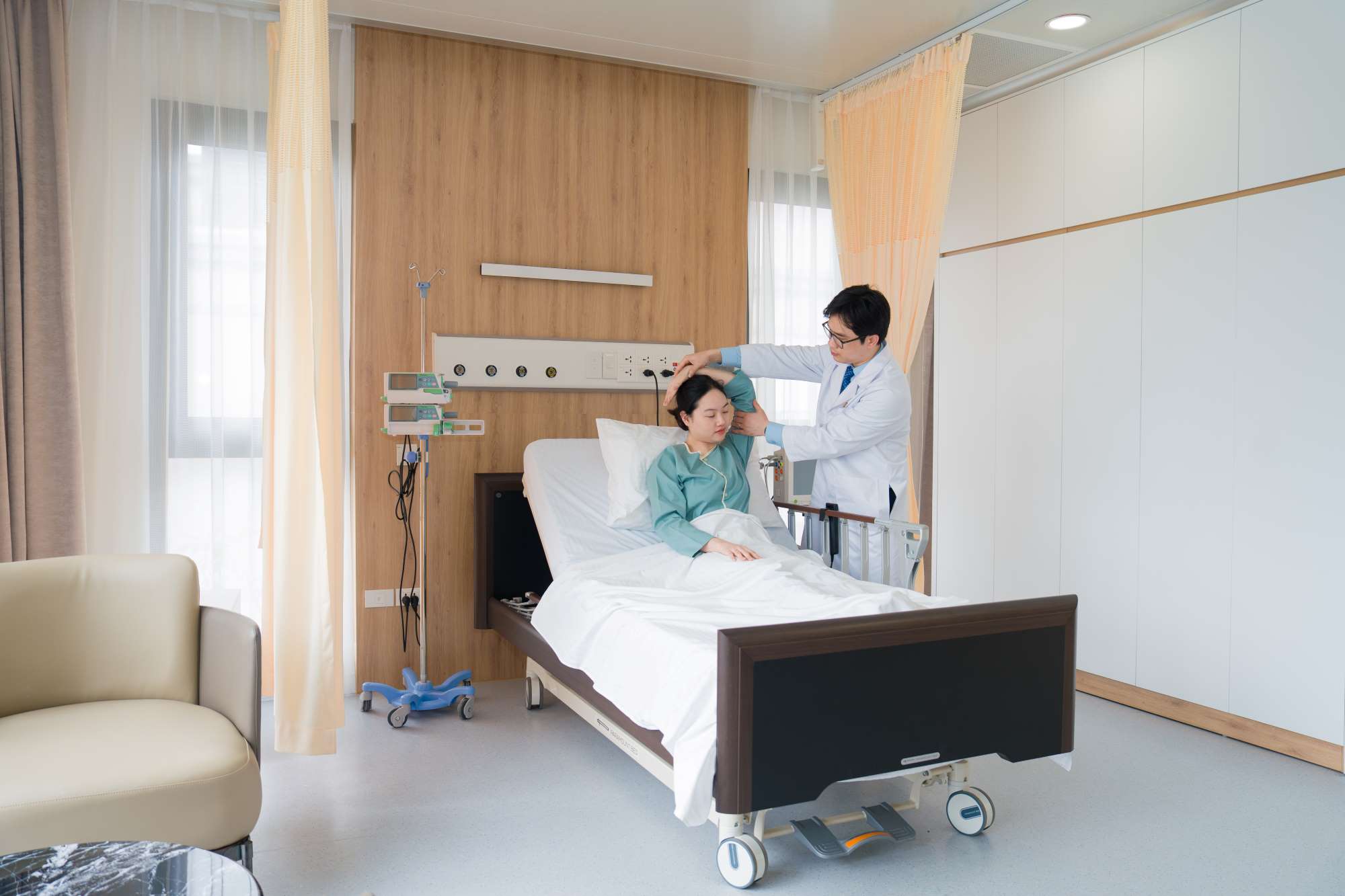
From a business perspective, the model of combining treatment and resort is also gradually taking shape. Typically, Vinmec Ocean Park 2 Hospital (Hung Yen), where the treatment model is implemented in a private villa space. Patients are not only receiving 24/7 medical care but also enjoying a high-class resort environment.
Prof. Dr. Doan Quoc Hung - Director of Vinmec Ocean Park 2 Hospital - said that this is an inevitable trend as the demand for comprehensive healthcare is increasing. The construction of closed medical complexes not only improves service quality but also creates motivation for economic development.
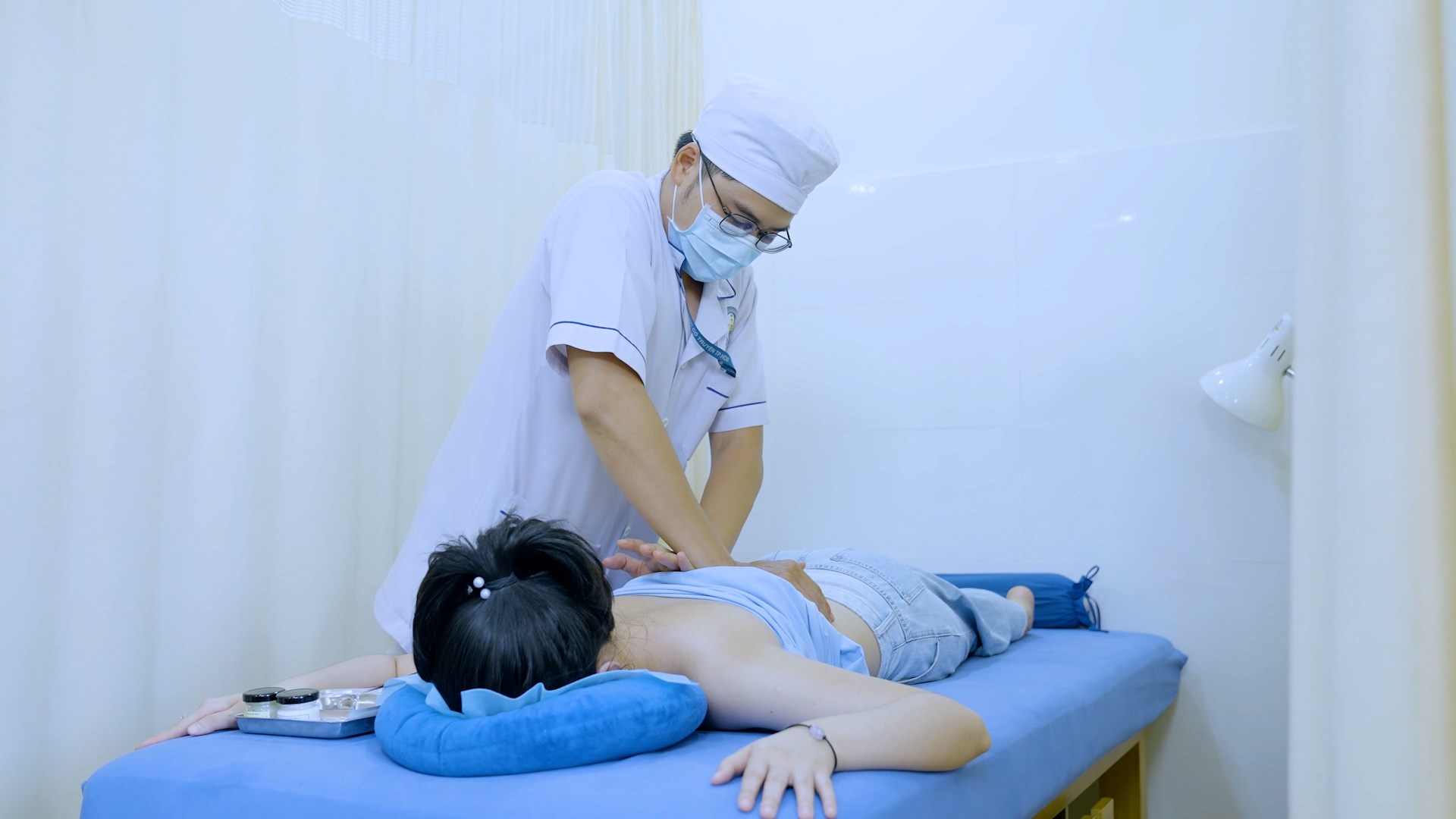
Sharing about the development orientation of medical tourism, Meritorious Doctor, BSCKII Do Tan Khoa - Director of Ho Chi Minh City Traditional Medicine Hospital - said that traditional medicine is being identified as one of the important pillars of the health sector, in which it plays a prominent role in attracting international tourists.
According to Dr. Tan Khoa, traditional medicine does not only stop at medical examination and treatment, but also expands to health care, physical recovery and improving the quality of life, needs that are increasingly being concerned by foreign tourists.
From the practical implementation in the past 5-6 years, Ho Chi Minh City Traditional Medicine Hospital is building a new phase development project with the goal of forming a modern health recovery medical tourism center. This model includes many functional spaces, from experiencing medicinal herbs, providing high-quality products, to health recovery services with the identity of Southern traditional medicine.
Notably, pain treatment and rehabilitation services, beauty care, aesthetics, combined with in-depth training in traditional medicine are also integrated into this ecosystem. In parallel, the field of macrobiotics is being developed, where the boundary between food and pharmaceuticals is exploited as a unique advantage of traditional medicine.
According to BS.CKII Do Tan Khoa, the development of a network of health recovery services, care for the elderly, or the application of non-drug methods such as massage, acupressure... also opens up many unique medical tourism products, capable of attracting international visitors.
Mr. Tran Quang Huy - Director of Chim Canh Cut Travel Service Joint Stock Company, Ho Chi Minh City - said that the merger of Binh Duong and Ba Ria - Vung Tau has created conditions for travel businesses to build new and more diverse products. Previously, tours were mainly limited to Ho Chi Minh City with some basic services such as dentistry or simple health care. Now, when expanding the space, the company has more choices to create products, from in-depth dental care to aesthetic services, resorts, and health enhancement.
Ms. Bui Thi Ngoc Hieu - Deputy Director of Ho Chi Minh City Department of Tourism - said that currently about 30-40% of patients coming for medical examination and treatment in the city are people from other provinces and cities and international visitors. Among them, most come from Cambodia, Laos; and also recorded an increase from markets such as the US, Australia, Canada, Japan and the overseas Vietnamese community.
Deputy Minister of Health Tran Van Thuan affirmed that medical tourism is an inevitable trend in the context of increasing demand for health care combined with resorts. Vietnam has an advantage in competitive costs, increasingly improved professional quality, along with a rich traditional medicine, not only contributing to improving the quality of health care services for people but also opening up new directions for the tourism - healthcare industry.


