
The Ho Chi Minh City People's Committee has just submitted to the Ho Chi Minh City People's Council for consideration and decision on the investment policy for the project to build a sea-crossing road connecting the Can Gio and Vung Tau (old) areas in the form of public-private partnership (PPP), BT (build - transfer) contract type.
The project is expected to be discussed and approved at the third session of the 11th Ho Chi Minh City People's Council, term 2026 – 2031, taking place from June 19 to 20.
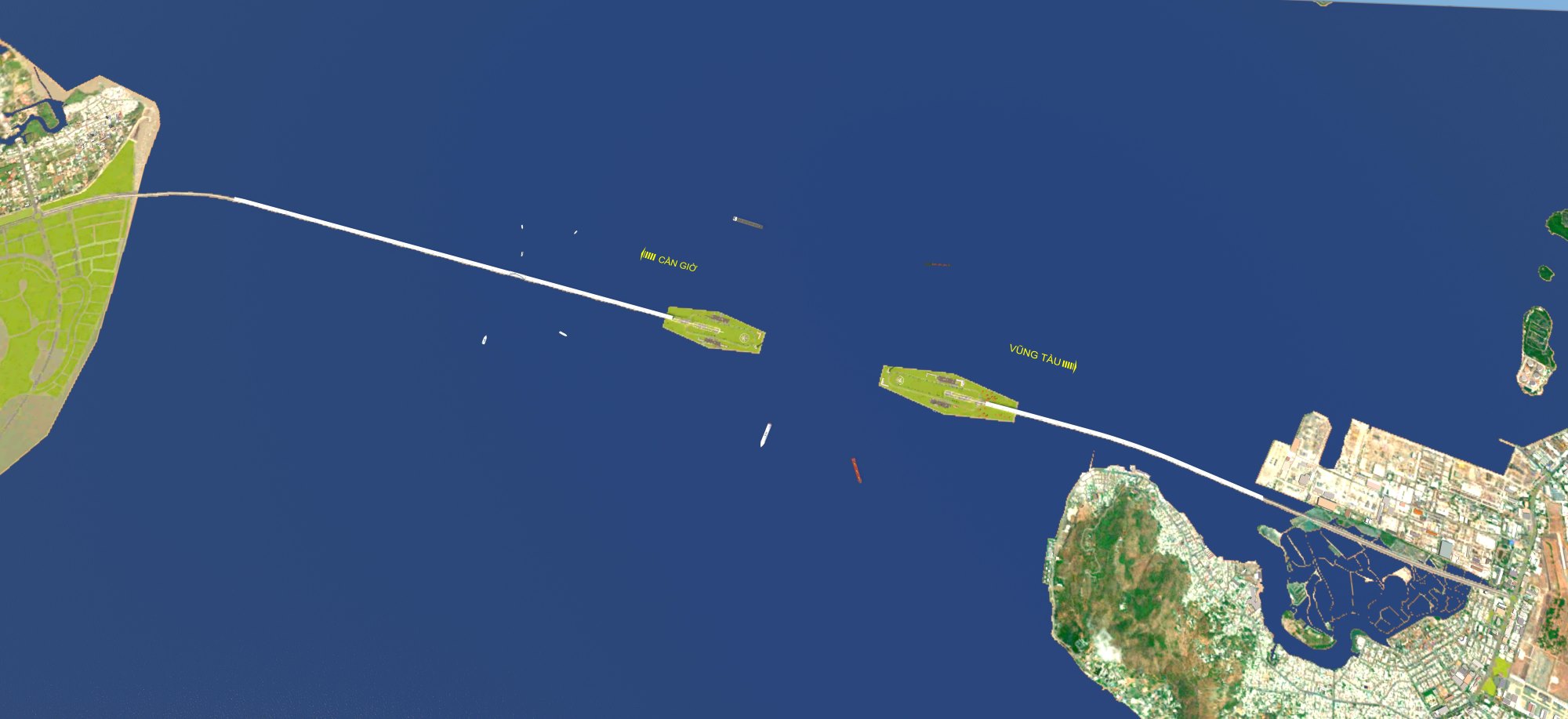
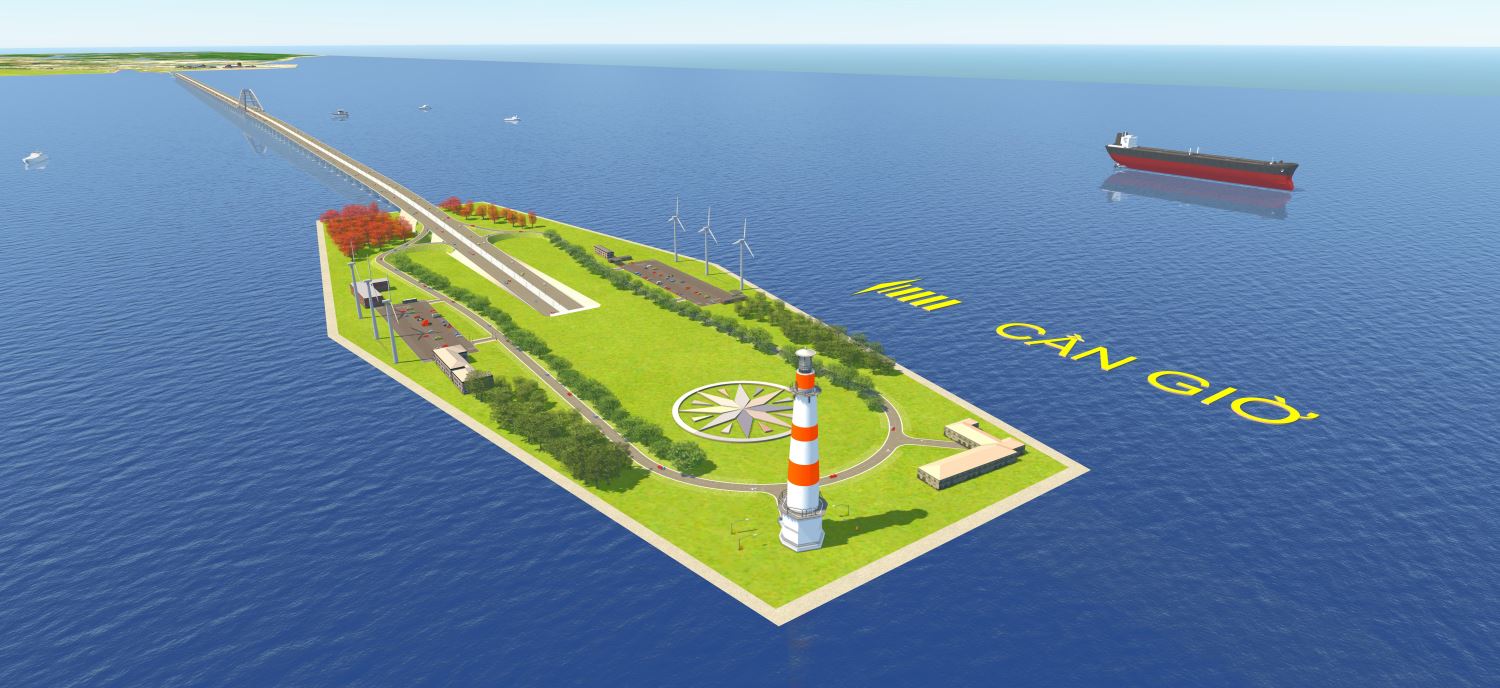
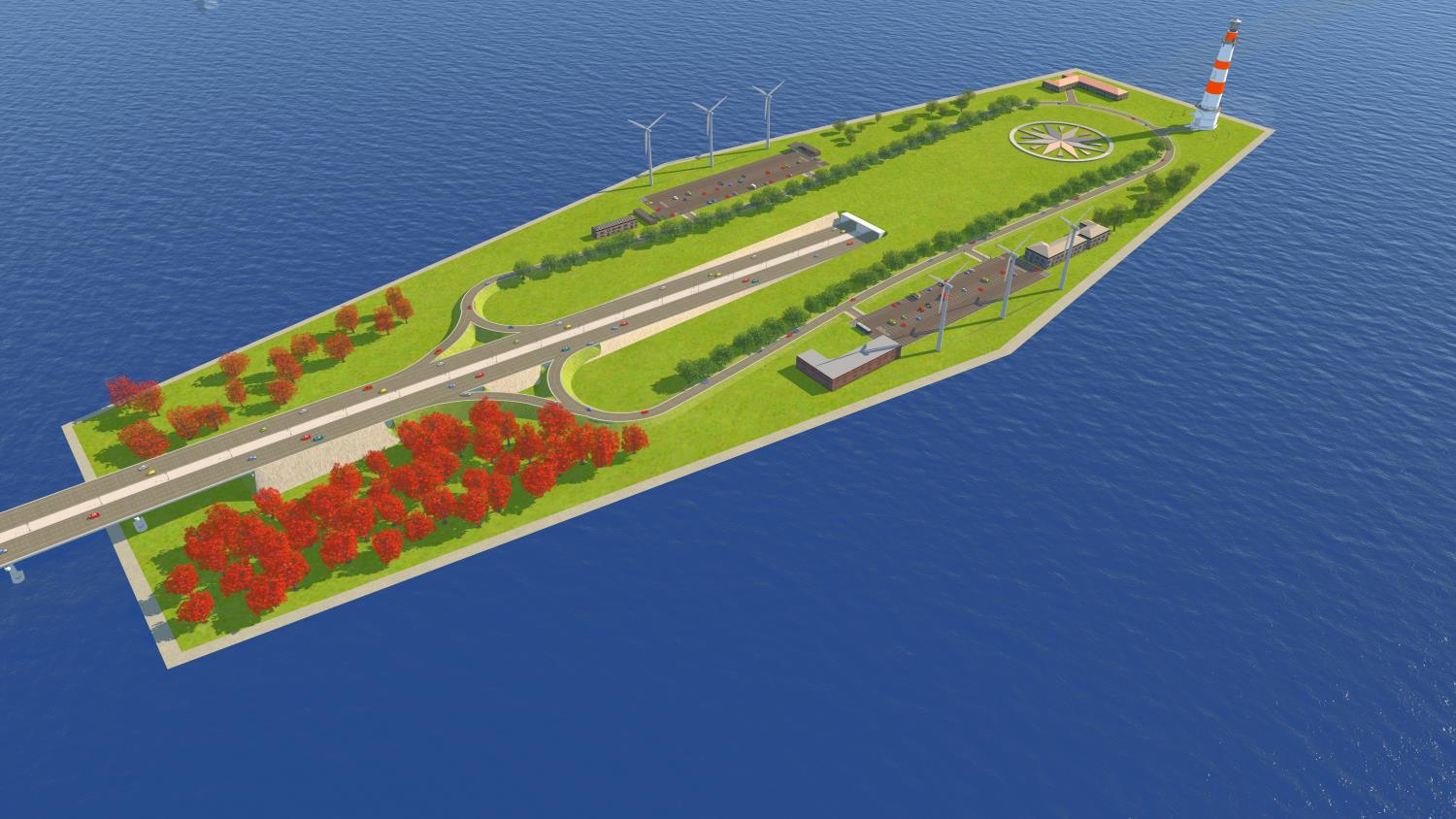
The total length of the entire route is about 14km, including many large structural items such as access roads, sea bridges and sea tunnels.
The road section is about 1,898m long, of which the Can Gio side is 739m long, and the Vung Tau side is 1,159m long.
The sea bridge section is more than 8km long, including the section in Can Gio more than 5km and the section in Vung Tau nearly 3km.
The road section connecting from the bridge to the tunnel has a total length of about 295m, of which the Can Gio side is 163m long and the Vung Tau side is 132m long.
The sea tunnel item is more than 3.8km long, including a submerged tunnel about 3km long, a closed tunnel 430m and an open tunnel 420m, along with synchronous embankment and connection items at both ends of the route.
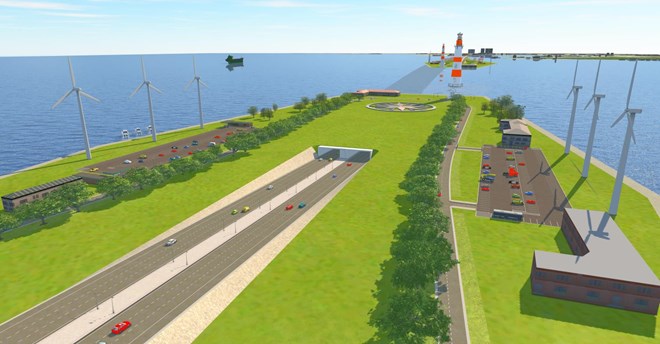
The road is designed with a scale of 6 lanes for motorized vehicles. In which, the tunnel section is about 34.6m wide, the sea bridge is 26.25m wide, and the access road sections have a width of about 34.5m.
The preliminary total investment of the project is about 93. 159 billion VND, including loan interest and investor profit. The expected implementation time is from 2026 to 2029. The project is divided into 3 component projects including:
Component project 1: Construction of access roads on the Can Gio side, total investment of about 226 billion VND.
Component project 2: Site clearance, resettlement and construction of intersections and access roads on the Vung Tau side, total investment of more than 1,000 billion VND.
Component project 3: Construction of sea-crossing bridges and tunnels, total investment of approximately 91.787 billion VND.
According to the Ho Chi Minh City People's Committee, currently traffic routes connecting Ho Chi Minh City and the Can Gio area with Vung Tau mainly have to pass through Dong Nai such as National Highway 1, National Highway 51, which are already under great pressure and have many prolonged bottlenecks. National Highway 51 currently records very high traffic volume and has been overloaded since 2020.
While the Ho Chi Minh City - Long Thanh - Dau Giay expressway, although a vital axis, is often congested, especially the section from Ho Chi Minh City to Long Thanh has exceeded the travel capacity by about 25% and is forecast to continue to be overloaded when Long Thanh International Airport comes into operation.
The Can Gio and Long Son - Vung Tau areas currently do not have direct connection routes, people and businesses have to travel around National Highway 51 with a time of about 90 - 120 minutes.
When completed, the sea-crossing route is expected to become a direct connecting axis, shortening travel time between Can Gio and Vung Tau to about 15 - 20 minutes.
The project is assessed as a "strategic connection", forming an interconnected coastal traffic axis, not divided, connecting the core urban area of Ho Chi Minh City with the southeast coastal area.
The project is also expected to promote the development of Can Gio sea tourism area, Long Son industrial park, and increase the exploitation capacity of Cai Mep - Thi Vai port cluster.
Thereby, contributing to promoting the potential of marine economy, logistics and ecotourism, in line with the orientation of developing the marine urban space of Ho Chi Minh City in the long term.


