
On January 30, at the Hanoi Department of Science and Technology, a signing ceremony for a Memorandum of Understanding on cooperation in consulting and deploying a work management system associated with the method of evaluating and measuring efficiency according to KPI/OKR applying information technology took place.
The memorandum of understanding was signed between the Hanoi Department of Science and Technology, the University of Economics (Vietnam National University, Hanoi), IBPO Joint Stock Company and G Group Joint Stock Company.
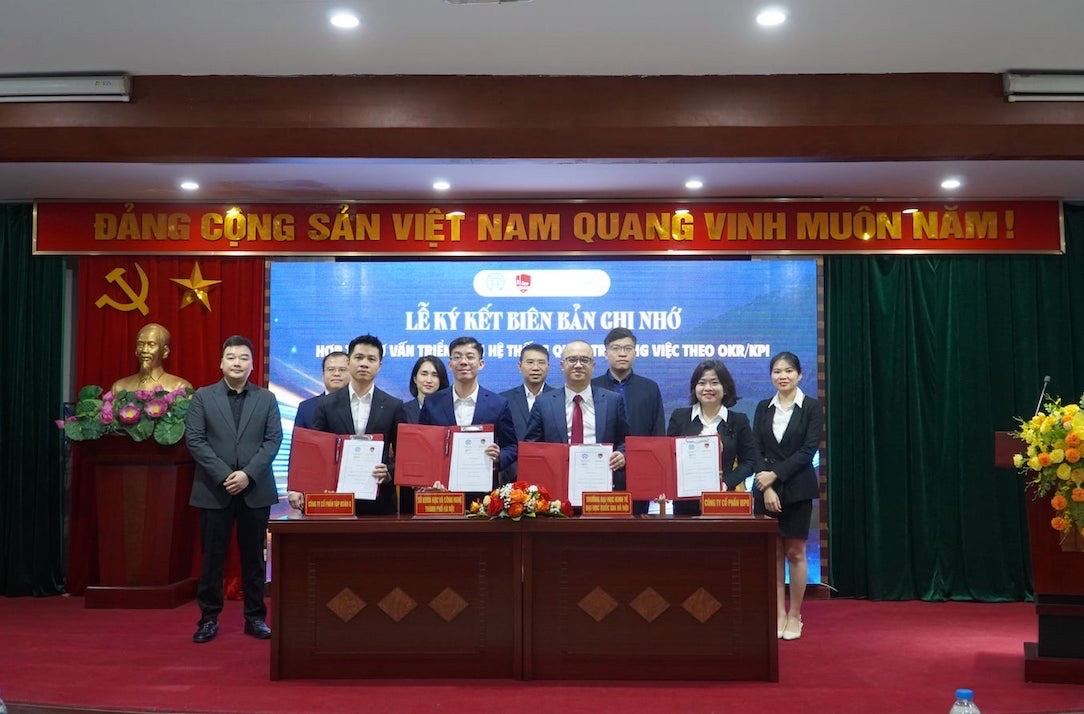
The overarching goal of cooperation is to build and deploy an OKR/KPI work management system applying information technology, acting as a tool to directly support the direction, administration, monitoring, and evaluation of task performance results of state management agencies.
According to the Memorandum of Understanding, the parties agreed to coordinate the implementation of a specific, systematic and pilot product chain at the Hanoi Department of Science and Technology, the City Party Committee's Organization Committee and Hoan Kiem Ward, including: Work Administration Methodology Framework according to OKR/KPI, closely following the resolutions, action programs, and key tasks of the Central Government and the City.
KPI/OKR index set associated with strategic goals, key tasks, action programs and regular work of each unit; Set of criteria for evaluating task performance results associated with job positions, as a basis for evaluation, ranking, emulation - commendation; Work management software applying information technology, allowing assignment of tasks, monitoring progress, measuring results, summarizing reports and supporting decision-making based on data; Management Dashboard and reporting system, serving leaders at all levels in directing and operating in real time.
Speaking at the signing ceremony, Mr. Cu Ngoc Trang - Director of the Hanoi Department of Science and Technology said that immediately after the signing ceremony, the cooperation content will be piloted in the spirit of both doing and drawing experience at: the City Party Committee's Organization Committee; the Party Committee - People's Committee of Hoan Kiem Ward; the People's Committee of Tu Liem Ward; and at the Department of Science and Technology itself. Based on the actual results, appropriate contents will continue to be completed before being expanded throughout the system.
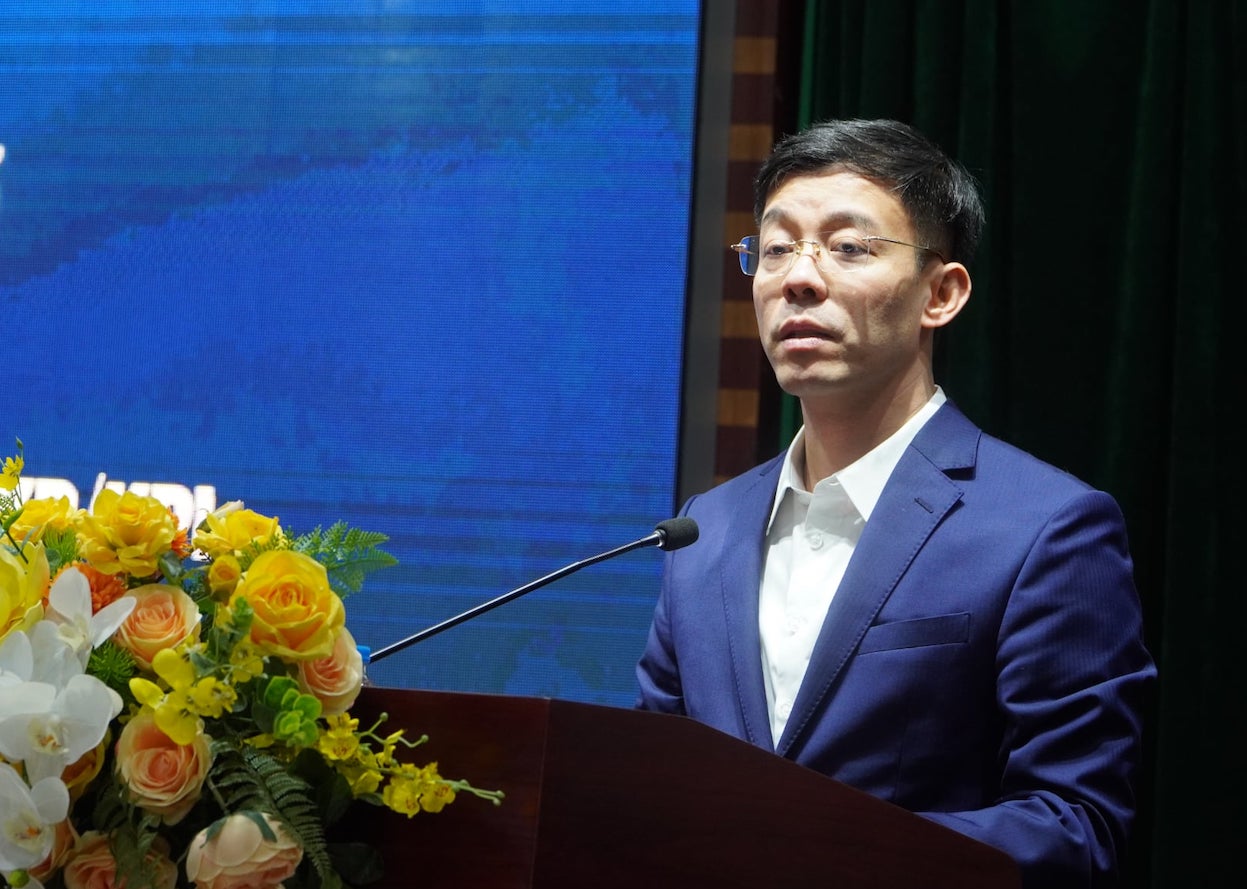
According to Mr. Trang, the initial expectation is to help work be monitored more clearly and transparently, support leaders and officials in the process of performing tasks, and more importantly, to form a new working culture and emulation culture in state agencies.
In the process of implementation, the consistent spirit is: Creating motivation to do better, not creating more formal pressure; measuring to support officials, not to cause difficulties for officials.
We do not deploy OKR/KPI to "assess cadres", but to turn cadre evaluation into a "management lever", better serving the leadership, direction and administration of the City and for the People" - Mr. Trang emphasized.
According to Assoc. Prof. Dr. Nguyen Truc Le, Secretary of the Party Committee of the University of Economics (Vietnam National University, Hanoi), in the context that Hanoi is leading the country in digital transformation and building a smart urban government, the need for data-based management tools is no longer an option, but has become an inevitable requirement.
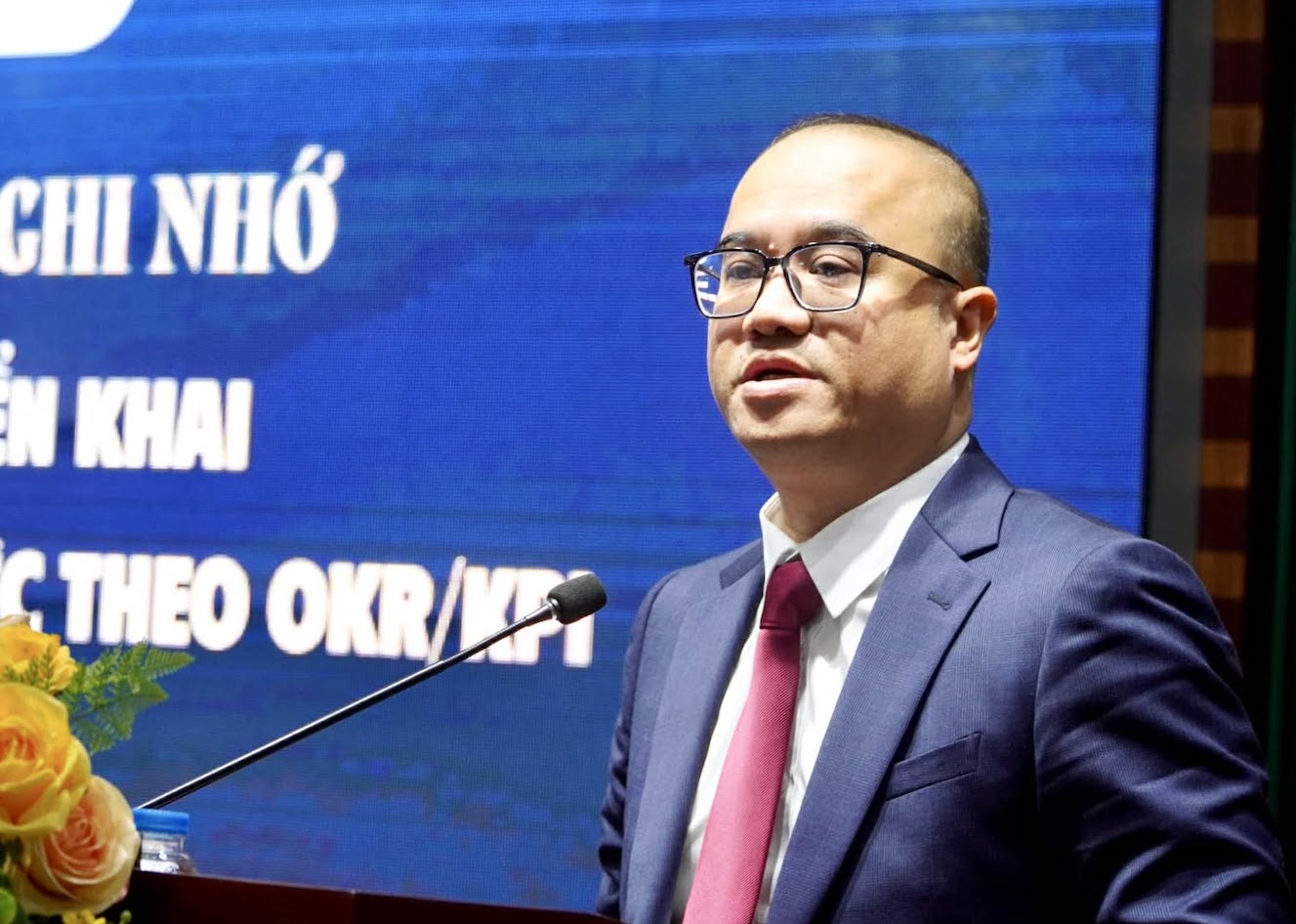
He believes that the implementation of the KPI/OKR system in public administration is therefore not simply a scientific and technological project, but a specific step in concretizing Resolution 57, bringing data-based management thinking into the practical operation of the capital's administrative apparatus.
The cooperation agreement opens up a future in the local governance of Hanoi Capital. In the not too distant future, decisions on personnel, organizational structure, emulation and commendation will no longer mainly rely on feelings, but on "speaking numbers". People can monitor service quality; officials have clear motivation to strive; and leaders have a solid foundation to make correct and accurate decisions" - Mr. Le expected.


