
Late saltwater intrusion, low level
According to Mr. Le Ha Luan - Director of the Department of Agriculture and Environment of Dong Thap province - saltwater intrusion in 2026 appeared about 15 days later than the multi-year average and about 20 days later than in 2025. Especially the highest salinity on the Tien River recorded in mid-February 2026, with a saltwater intrusion boundary of about 49km, significantly lower than in previous years.

At the measurement points on the Tien River, salinity is lower than the saline peak in 2016 and 2025. This shows that the level of saltwater intrusion this year is not too severe, not causing great pressure on production and people's lives.
Notably, key areas such as the freshwater area of Go Cong or the Phu Thanh - Phu Dong region still ensure stable freshwater sources. This is a positive signal in the context of increasingly unpredictable saline intrusion in the Mekong Delta due to the impact of climate change.
There is still danger, but don't worry too much
According to forecasts, the salinity peak in 2026 will appear at the end of March and the beginning of April, but forecasts show that the level of intrusion is still lower than in previous years. After that, salinity will gradually decrease with tides, although it may increase slightly in the next high tides. Due to the late rainy season, the salinity season may last until the second half of May 2026, later than 2025.
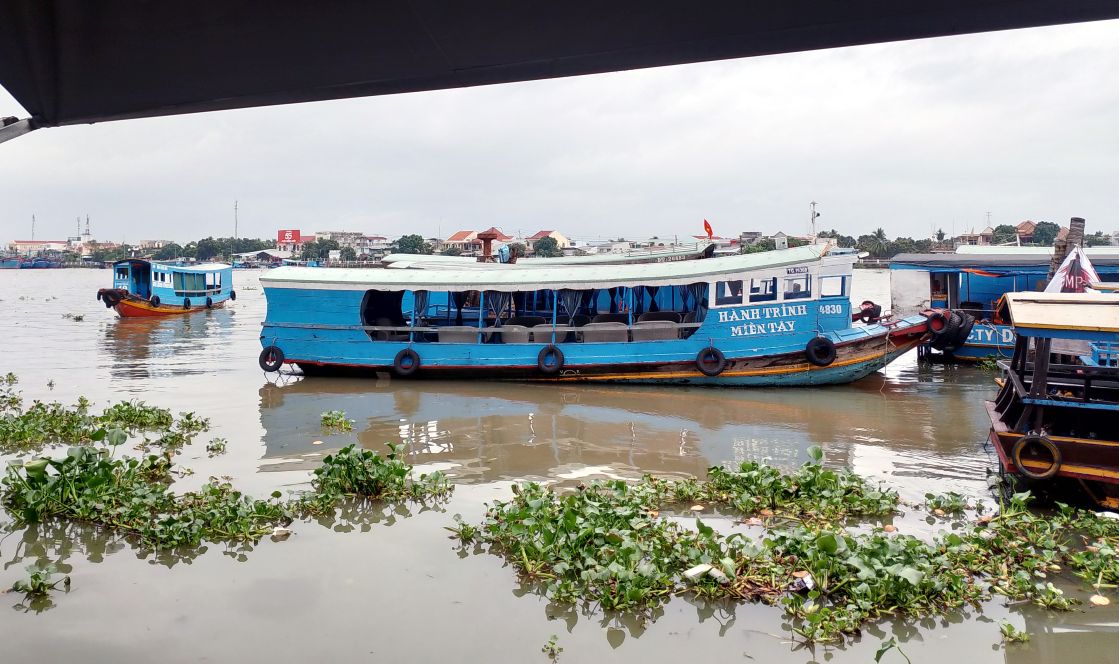
However, with the current scenario, the risk of great impact on production and daily life is not highly assessed. Because before that, with a spirit of caution and thoughtfulness, Dong Thap province intervened early. "Right from the end of 2025, the sector has advised the Provincial People's Committee to issue many directives and plans for drought and salinity prevention and control, as a basis for sectors and localities to proactively implement," Mr. Luan shared.
Accordingly, departments and localities proactively deploy tasks: the agricultural sector organizes close monitoring of salinity developments on river routes, promptly announces the operating schedule of irrigation works so that people can proactively take water and plant appropriate seeds. Sewer and dam systems are inspected and repaired regularly, ensuring effective saltwater prevention.
Specifically, localities also promote propaganda and mobilize people to store water in ponds, ditches, and fields; use water sparingly; check salinity before irrigation. Many canals and ditches have been dredged and cleared, contributing to improving the ability to store water in the fields. In particular, backup drilled wells in key areas have been inspected and ready to operate when necessary, helping to increase the ability to respond in situations of fresh water shortage.
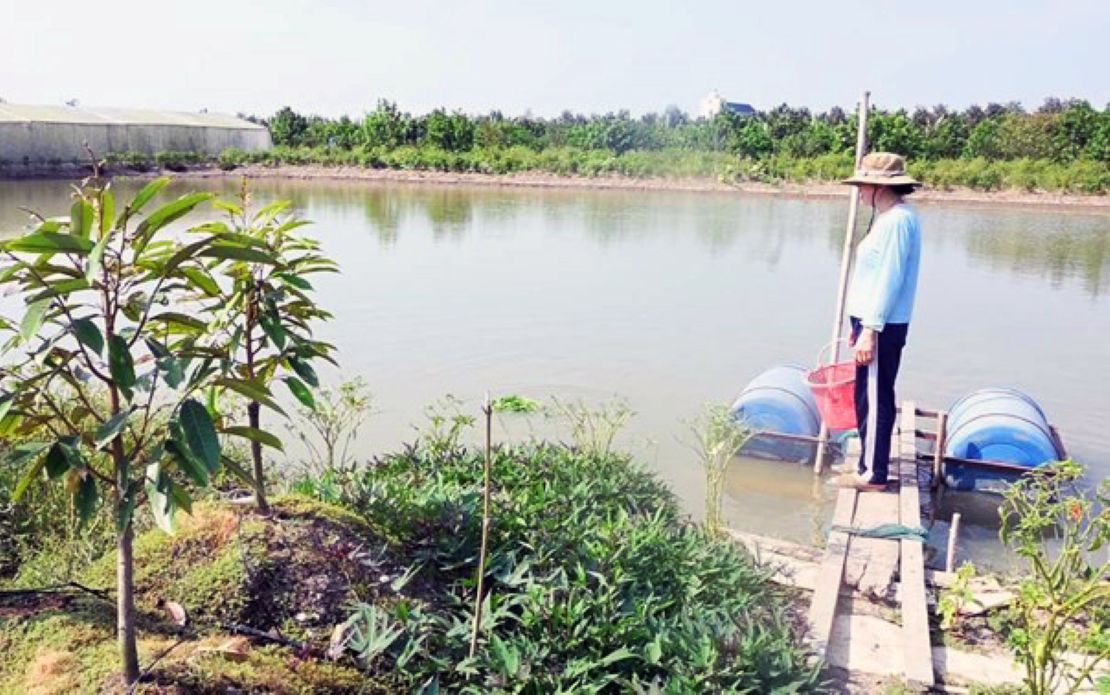
In parallel with production, the storage of domestic water for people is emphasized. Water supply units proactively pump and store fresh water, operate backup systems and are ready to open free water supply points when needed.
With early proactiveness and synchronous coordination, Dong Thap has well controlled the saline intrusion situation in 2026, ensuring sufficient water for production and living, creating a stable foundation for socio-economic development in the context of increasingly clear climate change.
However, from the perspective of managers, Mr. Le Ha Luan recommends that localities and people not be subjective. Continuing to store water, monitor salinity, adjust crop schedules and flexibly operate the irrigation system is still a key factor.
Tien Giang Water Supply One Member Limited Liability Company proactively opened 9 public water taps to serve people in "low-lying areas" for domestic water in 4 communes: Tan Phu Dong (2 taps), Tan Hoa (1 tap), Tan Dien (4 taps) and Go Cong Dong (2 taps) to provide free water for people to use. The company also operates 5 backup wells in My Tho ward and Tan Thuan Binh commune to serve the domestic needs of people. This is considered an effort to serve the essential needs of domestic water for people when entering the peak dry season.


