
The doors leading into Hue Citadel
Hue Citadel currently has a total of 13 entrances and exits, including 10 road gates, 2 water gates and 1 auxiliary gate. This system was formed from the time of King Gia Long with the gate arch, then completed with an observatory above under the reign of King Minh Mang.
Each city gate not only undertakes traffic functions but is also associated with its own historical and cultural stories.
According to historical documents, Ngan Gate, officially known as The Nhan Mon Gate, used to be a separate entrance for the king and mandarins. Every time the king departed, soldiers would blockade the area in front of the city gate to ensure rituals and security, from which people used to call this place Ngan Gate.
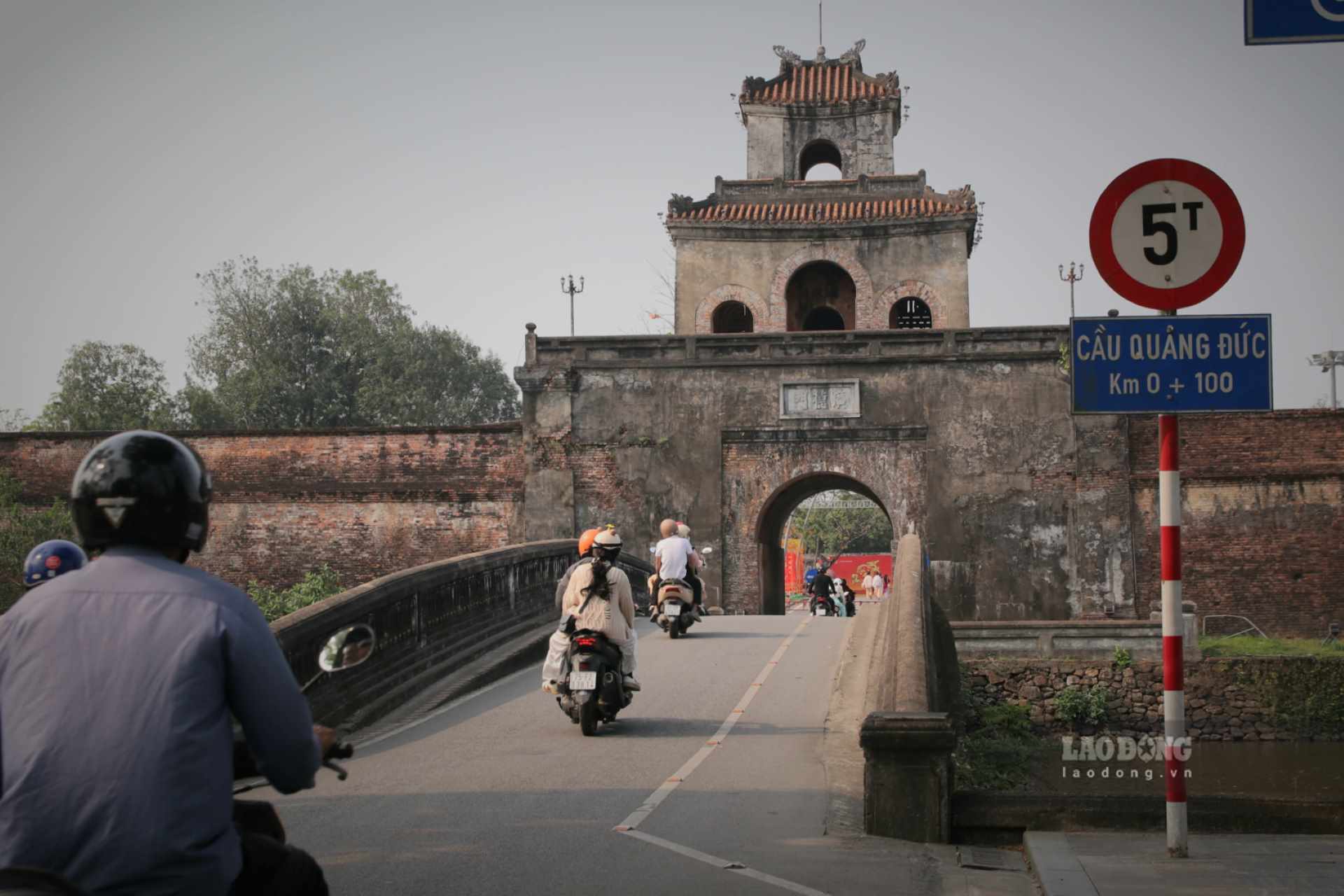
Located on the right side of Ky Dai in the North-South direction is Quang Duc gate, often called the Sập gate. This folk name originated from the large flood in 1953 that caused both the observatory and the gate arch to collapse.
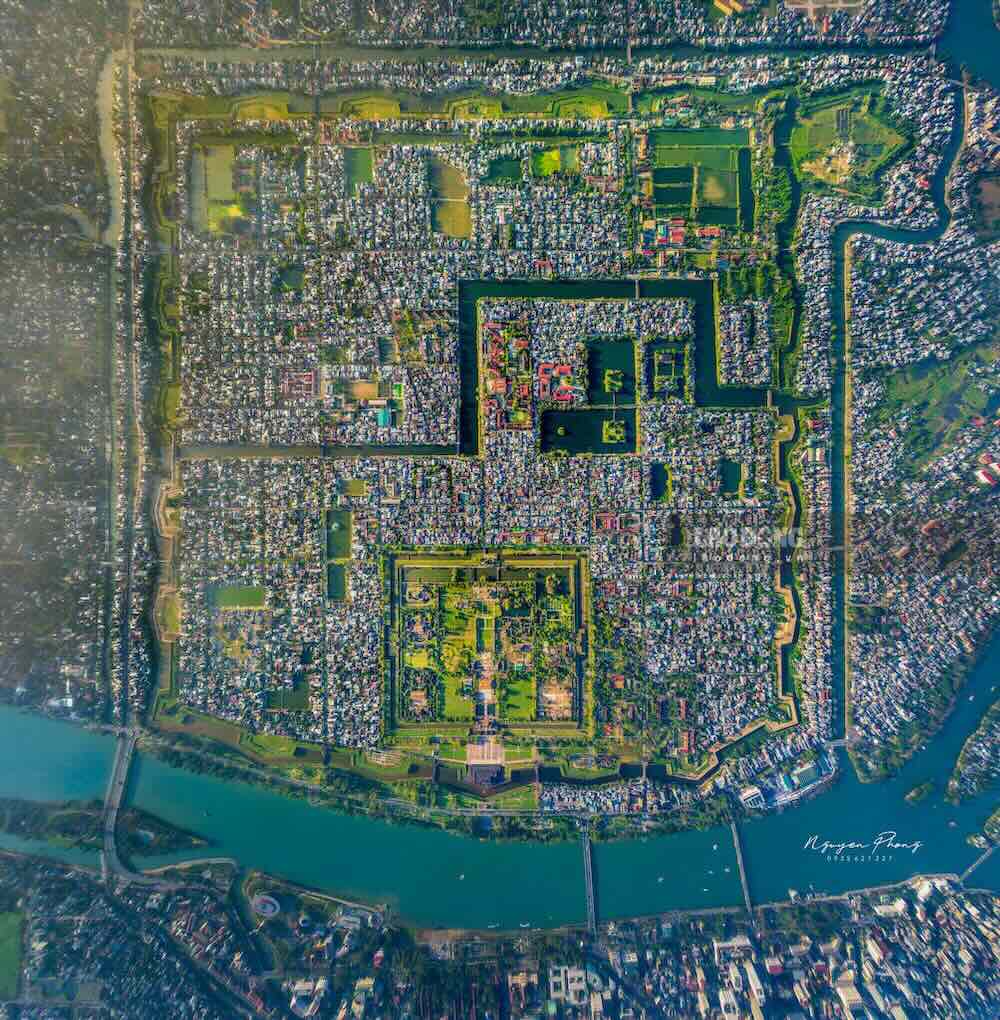
In the South of the Citadel is Chanh Nam Gate, also known by the people as Do House Gate. According to historical records, during the reign of King Gia Long, there was a warehouse storing court utensils and military equipment located near this area, so the name Do House was formed and passed down to this day.
The Huu Gate, i.e. Tay Nam Mon Gate, is associated with one of the important milestones in the nation's history when King Ham Nghi issued the Chieu Can Vuong committee calling on the people to stand up against the French colonialists.
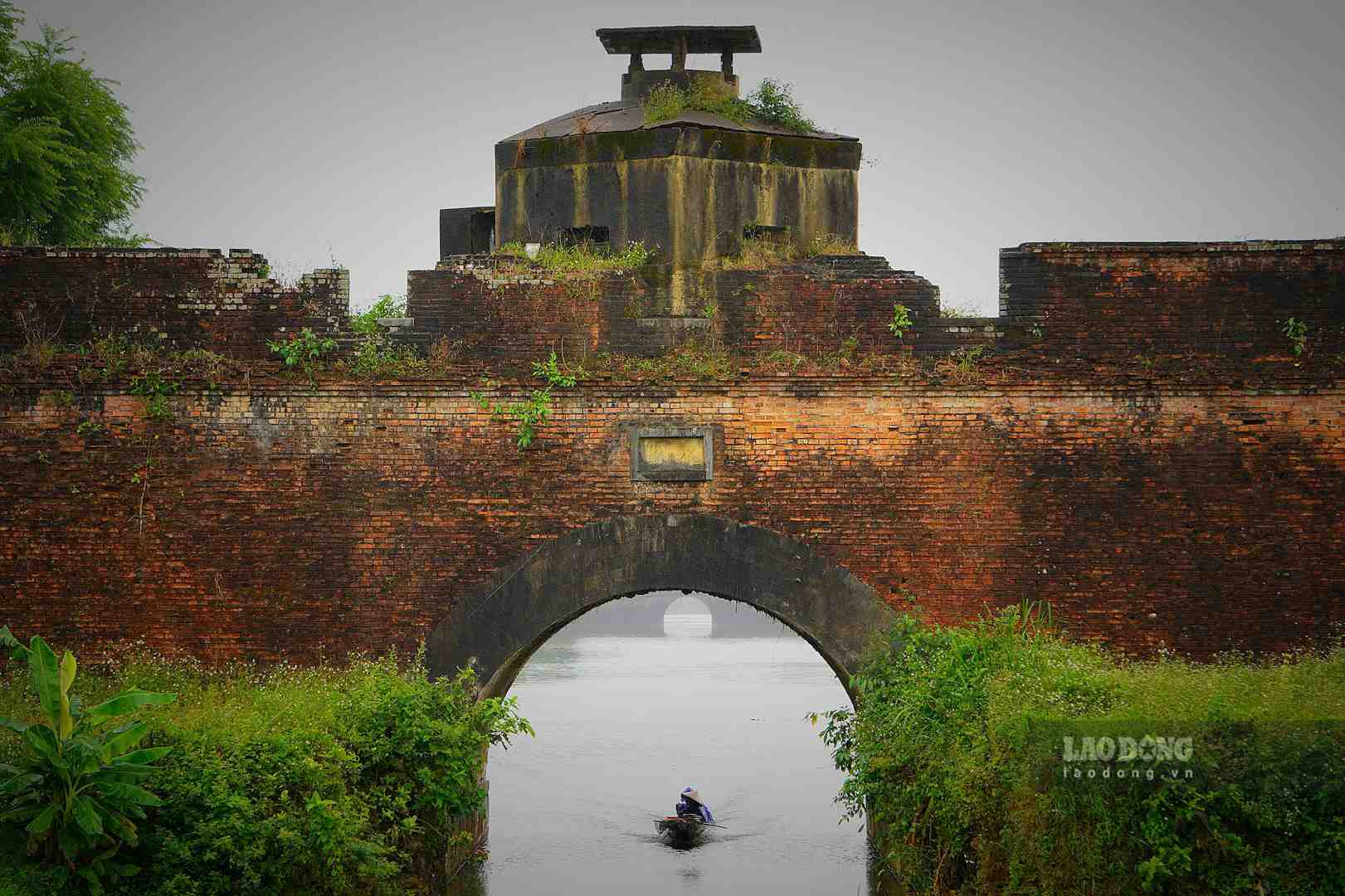
The two waterway gateways of the Citadel are Tay Thanh Thuy Quan and Dong Thanh Thuy Quan, located at both ends of the Ngu Ha River. This used to be an important waterway traffic route connecting the inner city area.
Chanh Tay Gate is one of the locations that suffered many losses in the Mau Than War in 1968. The above vọng lâu part was completely destroyed and only restored in recent years.
In the Northwest direction is An Hoa Gate, the name originates from the village and market area of the same name located outside the city gate. Hau Gate is located in the North of Beijing, also known as Chanh Bac Mon. After the French colonialists occupied Hue, this area was used as Mang Ca Fort, so local people are also familiar with calling the city gate by the name military fort.
Besides the main gate system, there is also Tran Binh Mon - the auxiliary gate leading to Tran Binh Dai, a military structure that once played an important defensive role for the Citadel.
To the Northeast is Ke Trai Gate. The name originates from a residential hamlet that once existed in front of the city gate, where people set up tents and temporary houses to trade along the river. Over time, the hamlet name became the name of the city gate. The gate has been closed for more than 100 years.
Meanwhile, Dong Ba gate, i.e. Chanh Dong Mon gate, is a famous city gate because it is located next to the old Dong Ba market, the oldest and busiest market in the ancient capital. The last gate is Thuong Tu, or Dong Nam Mon. This name originates from the Institute of Thuong Tu, an agency specializing in caring for and managing horses serving the Nguyen Dynasty.
Ke Trai opens after more than 100 years
From May 30, 2026, the Ke Trai gate will be officially fully opened, ending the current situation of traffic restrictions that have lasted for more than a century.
Ke Trai Gate is located on the west bank of the Dong Ba River, once one of the important city gates of Hue Citadel. However, after the fall of the Capital in 1885, the Mang Ca area was turned into a military area by the French colonialists. The system of fences and defensive works erected divided many old traffic routes, including Ke Trai Gate.
Since then, this entrance has gradually separated from the urban rhythm and become an area with few people having access.
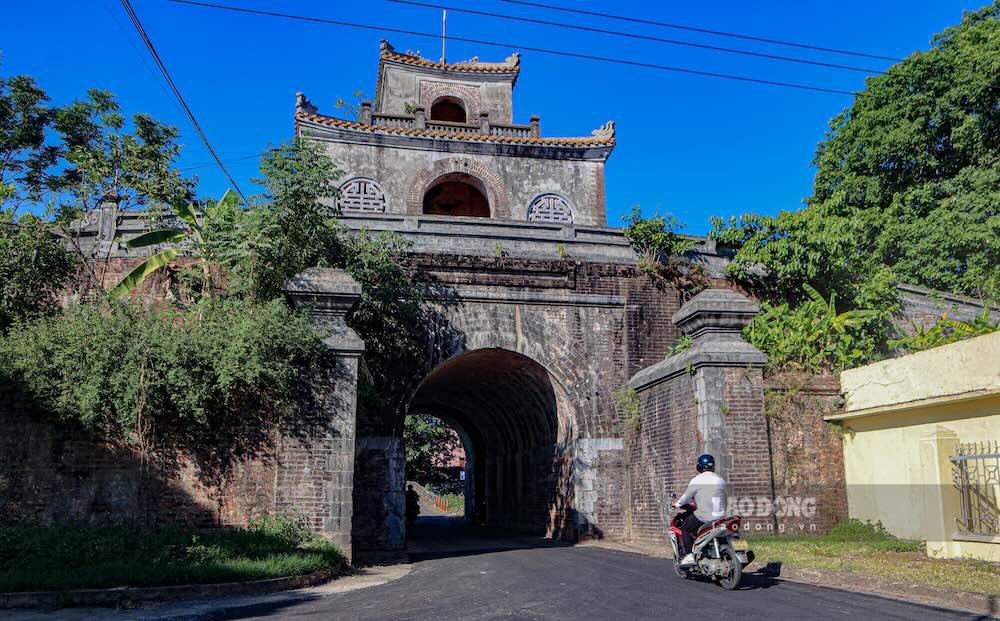
After the Hue City Military Command relocated its headquarters, the Mang Ca area was handed over to the local government for management. However, travel through Ke Trai gate was still limited for a period of time before being fully opened.
The turning point came when the retaining wall from the French colonial period was dismantled, creating conditions for interconnecting Thai Phien, Dinh Tien Hoang and Ke Trai gate routes. The new traffic route helped form a traffic axis throughout the Inner City.
Opening the gate not only creates more convenient directions for people but also contributes to reducing traffic pressure at city gates with large traffic volumes such as Dong Ba and Thuong Tu.
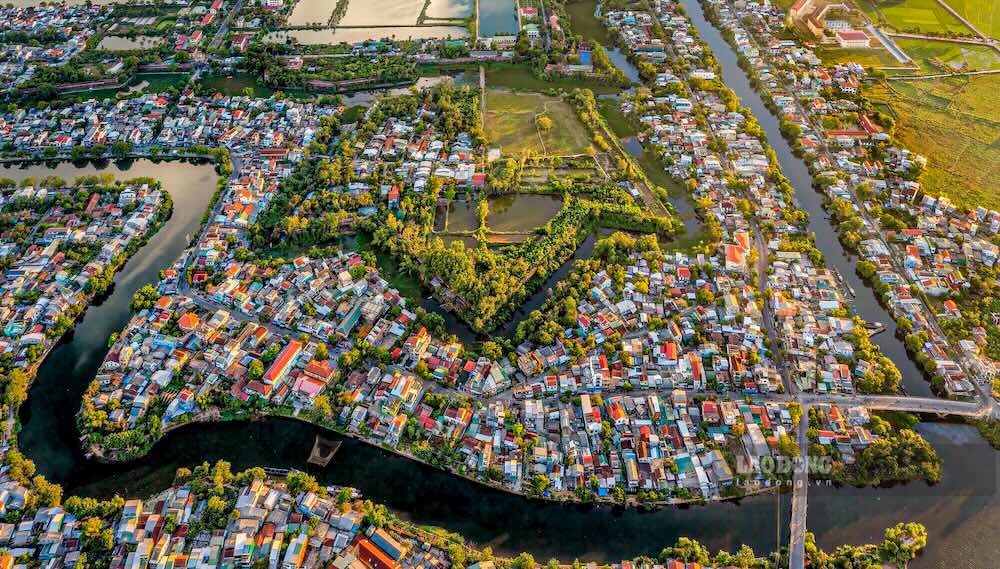
According to the Hue City Infrastructure Management and Exploitation Center, the new traffic organization plan is being implemented simultaneously in the Ke Trai and Dong Ba gate areas to reduce the load on inner-city roads and strengthen connectivity between residential areas.
When the road is connected, vehicles can move from Chanh Tay gate to Ke Trai gate instead of mainly concentrating through Dong Ba and Thuong Tu gates as before.
Regarding traffic infrastructure, the bridge railing in the Ke Trai gate area is currently degraded, and many sections are seriously damaged. Initially, functional agencies will install reflective markers at both ends of the bridge to ensure safety for traffic participants, and at the same time propose to soon deploy the repair of railing and supplement the lighting system in the area.


