
Canh Tien village, Canh Vinh commune (Gia Lai province), used to be an isolated village in the middle of mountains and forests, with more than 170 households mainly of Ba Na and Cham people. Previously, to get to the commune center, people had to take a boat for more than 10km across Nui Mot Lake or cross the forest, crossing Nha Sam Pass for nearly 3 hours.
The lives of people here face many difficulties due to the rugged terrain. Conditions for trading, studying, medical examination and treatment or accessing basic services have become lacking and inconvenient.
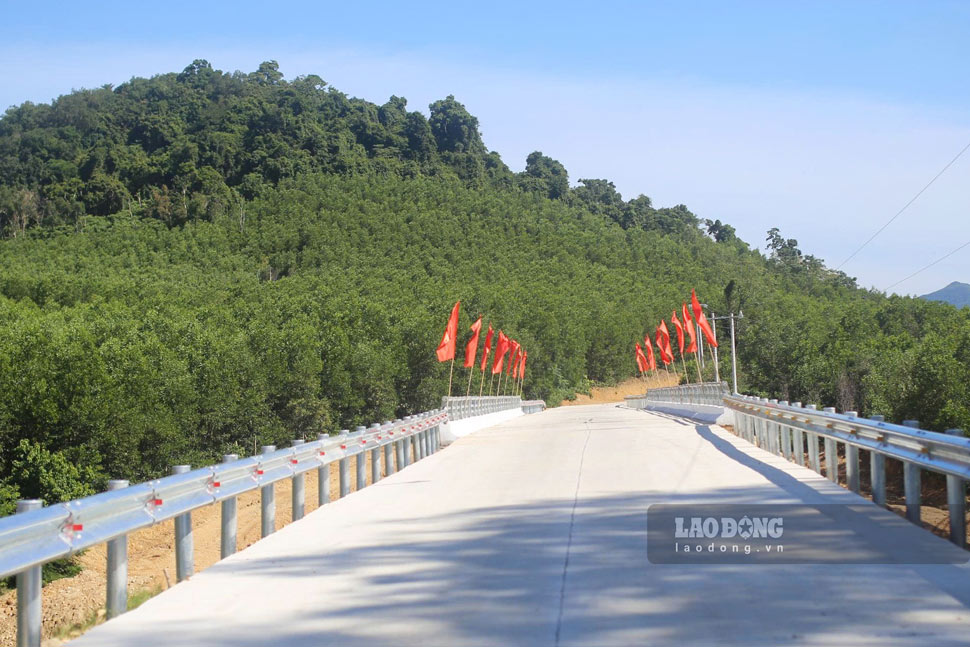
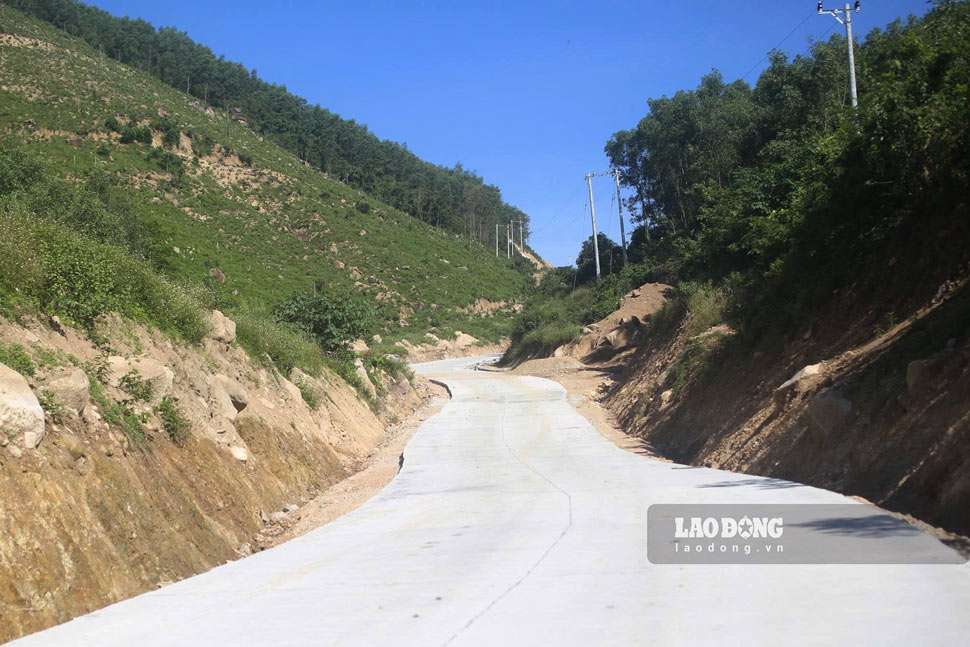
However, in the past half year, Canh Tien has turned a new page. The road to the village has been opened, the national grid is connected, and the concrete roads in the village are gradually taking shape. The isolated village is " liberated", the material life of the people is improved, while opening up opportunities for economic development and community tourism.
However, the new infrastructure also poses many risks of serious problems and the risk of negative impacts on the environment.
The problem for Canh Vinh commune is: "How to make the new infrastructure to both improve life and prevent evil, protect the environment and develop community tourism?"
The isolated village gradually "changed its skin and meat"
From the top of Nha Sam Pass, the new concrete road leading to Canh Tien village is now wider and brighter amidst the green of the mountains and forests. The village has a natural area of about 5.25 hectares, located in the midlands, mainly hills and mountains interspersed with small valleys, dozens of kilometers from the commune center. The lives of the people here mainly depend on farming and raising livestock.
Mr. Dinh Van Tao - Head of Canh Tien Village - recalled that before, when there was no road, it took a whole day from the village to the commune. When it rains, people have to take a boat across Nui Mot Lake, facing many dangers. Now that the State has invested in a new road, the people are very excited.
At the end of April, Canh Tien officially had national grid electricity. This event opened a major turning point in the village's economic and social life. Many essential household appliances such as TVs, refrigerators, electrical kitchens, etc. have appeared in families; services, shops and mechanical production activities have begun to take shape.
"Since the electricity was available, the spirit of the people has been completely excited, the appearance of the village has changed significantly," Mr. Tao said excitedly.
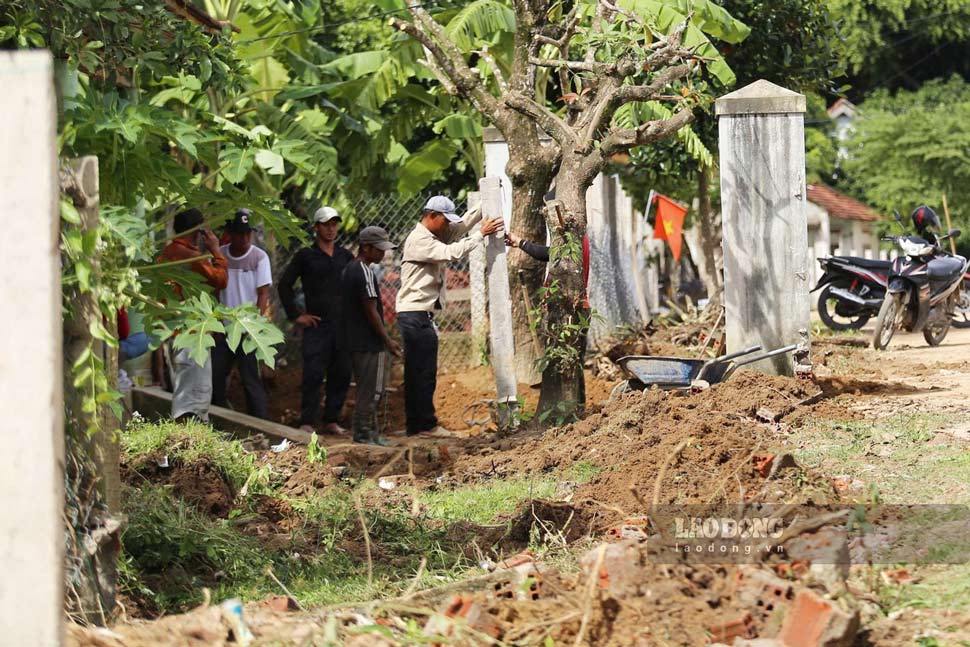
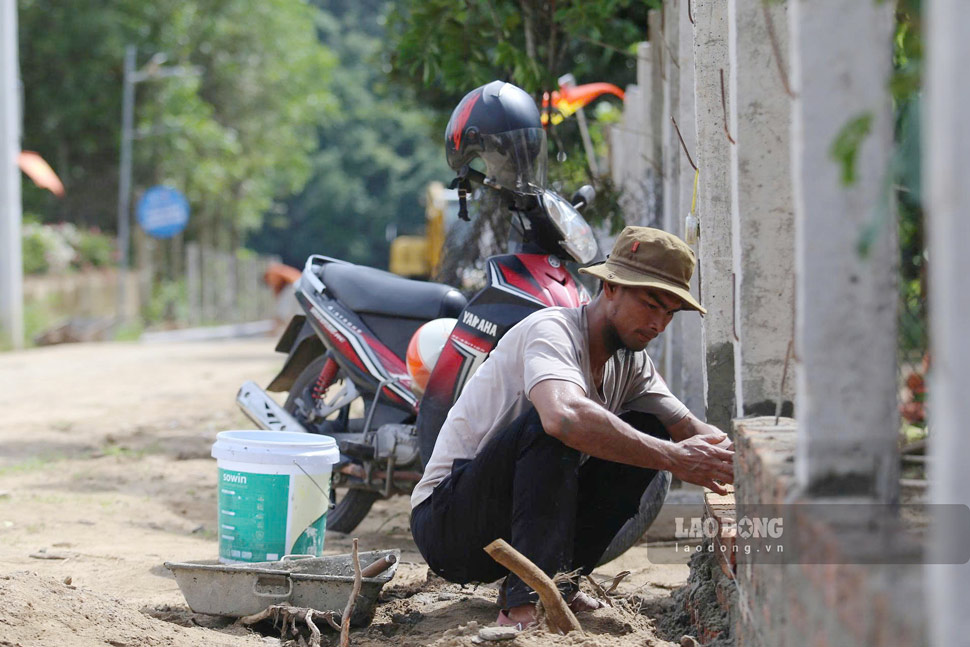
In addition, more than 50 households have voluntarily donated land, demolished fences and gateways, although many sections encroached 2.5-2.5m deep into their land. Thanks to that, the 1.2km long inner-village road is expanded and spacious with a 6m wide concrete surface, creating favorable conditions for travel and trade of the whole village.
Ms. Doan Thi Binh (29 years old) shared: "My family donated about 2m of land to build a road. Having lost a part of the land, but in exchange, the road is spacious, spacious, and more comfortable to travel".
According to Mr. Duong Hiep Hoa - Chairman of Canh Vinh Commune People's Committee, the road expansion has affected 90 plots of land of the people, but most of the people have voluntarily donated land. The goal is to create new development space for the village, focusing on tourism development.
Infrastructure innovation has helped improve the material life of the people, creating a premise for Canh Tien village to develop sustainably, contributing to improving the economy, culture and community spirit.
Maintaining order in the village of innovation
In addition to the benefits that electricity and roads bring, the locality also faces new challenges. Mr. Duong Hiep Hoa said that the current local concern is deforestation, people gathering in tea, disturbing public order... In particular, when community tourism is developing, the situation of soliciting and attracting visitors, illegal gambling, hooking up, defrauding tourists... is also very likely to arise.
To proactively prevent "early and from afar", Canh Vinh commune has coordinated with the Forest Protection Management Board and the Forest Protection Department to set up patrol and guard stations; on the other hand, increased propaganda and mobilized people to comply with the law.
In particular, the commune has developed a "Ctionvention - Convention", identifying tasks on ensuring security, order and a civilized lifestyle. Canh Tien is an ethnic minority area, more than 99% of the population is ethnic minorities, so propaganda work mainly relies on prestigious people - village elders and the village model of self-management of security and order.
The commune has coordinated with departments and branches to organize tourism skills training classes for people in the village, "turning" each person into a primary tour guide and village tourism product creator.
Mr. Mai Thanh Vien, a student in the class, shared: "Through the training courses, I understand more about how to tell stories of life and village culture, while raising awareness of environmental protection and a civilized lifestyle to create a good impression on tourists".
The Chairman of Canh Vinh Commune People's Committee emphasized that thanks to these solutions, Canh Tien is forming a community platform to be proactive in preventing evil, ensuring economic and tourism development goes hand in hand with social order.
Environmental protection, sustainable tourism construction
Natural landscape is a key factor in developing community tourism in Canh Tien. Tre stream, Do waterfall, Nui Mot lake and natural forests become tourist highlights of the village.
In addition to the landscape, Canh Tien also possesses unique cultural values such as stilt houses, hairpins, brocade weaving, gong festivals; along with local cuisine such as rice Lam, local pork, celery... These are typical tourism products, attracting tourists and contributing to sustainable economic development.
Mr. Duong Hiep Hoa emphasized that natural landscape and environment are a key factor in developing community tourism. Therefore, the locality always sets specific directions and tasks to protect the environment in the process of forming and developing tourism models.
Currently, the commune has surveyed and identified suitable locations for garbage transit, ensuring distance from residential areas, convenient for collection and environmental sanitation. This helps preserve the landscape, creating favorable conditions for sustainable tourism development and improving people's lives.
The commune also established community tourism groups, training people in cooking skills, tour guides, thereby forming tourism products created by the community itself.
"To achieve effective products, they must protect forests and landscapes - the most valuable assets in community tourism," said Mr. Hoa.
Today's Tien noodle soup is different from before, no longer isolated or lacking. The concrete road connecting the commune to the village and the bright national grid have opened a new life for the people here. More than 50 households voluntarily donated land to widen the road, many people attended the tour guide class, the whole village strictly followed the "Convention - Convention", together maintaining order and the landscape.
The small contributions of each citizen have created a big change in the village's life. When they are the ones who protect forests, maintain environmental sanitation and participate in preventing and combating evils, the new projects will truly create long-term benefits, open up opportunities for tourism development and improve people's lives.
The story of Canh Tien shows that developing poor rural areas is not just about building roads, pulling electricity or creating material utilities. Real success lies in people - the awareness, action and responsibility of each citizen, which determines the long-term value of infrastructure and the development of the whole village.


