
Ho Chi Minh City is urgently adjusting the zoning plans at a scale of 1/2000, detailed plans at a scale of 1/500 in Thu Thiem New Urban Area to deploy the construction of a new Political - Administrative Center. The project is located in the central lake area, along To Huu street.
The administrative center has a scale of about 7.84 hectares, a maximum height of 30 floors, meeting the regular working needs of about 6,000 officials, civil servants, and public employees.
At the same time, this place can receive 1,500 - 2,000 people and business representatives per day through the modern "one-stop shop" system.
According to the plan, Ho Chi Minh City will complete planning and investment procedures in the first quarter of 2026, start construction in 2026 and strive to put the project into use in 2027.
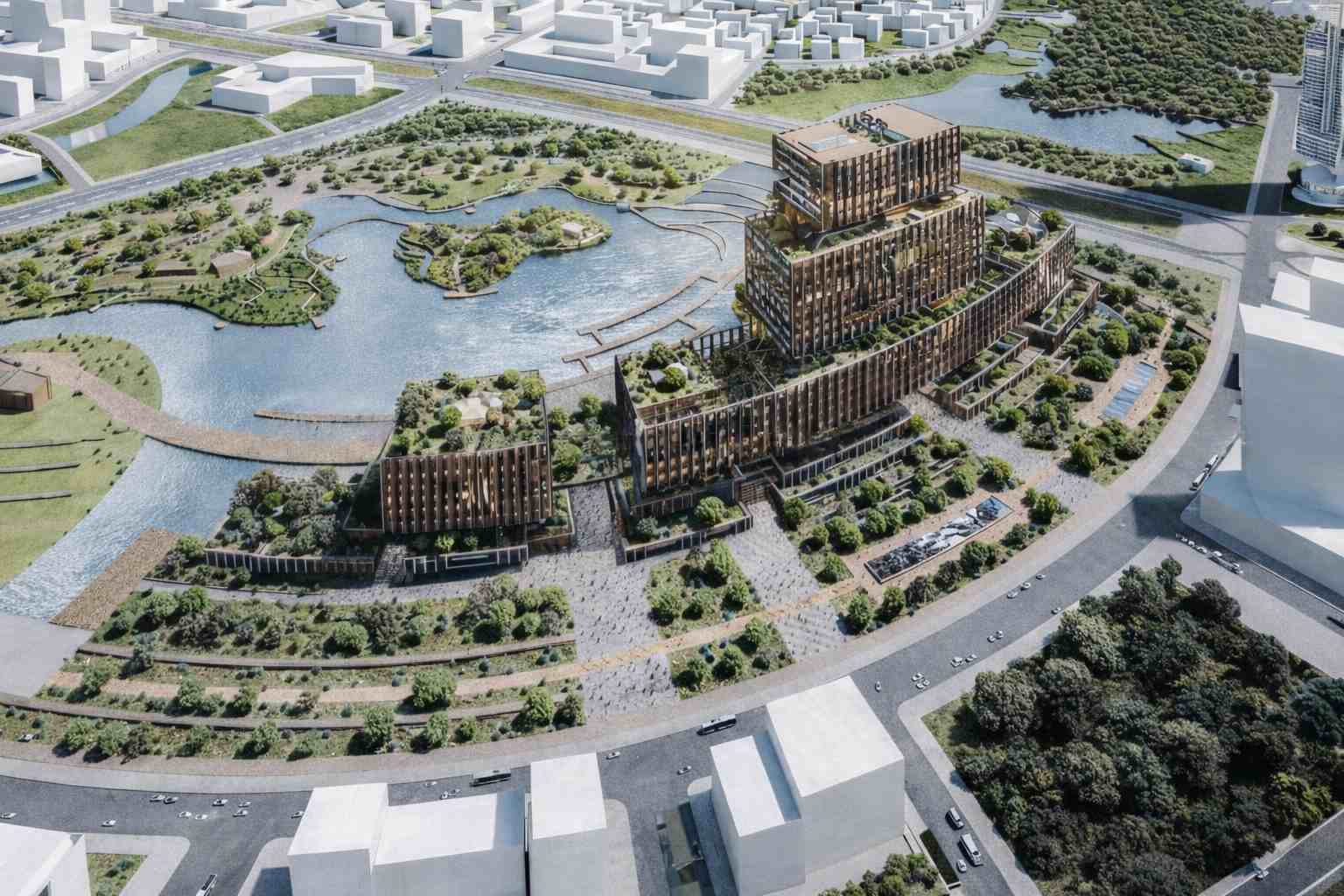
According to the Ho Chi Minh City People's Committee, the construction of the new center stems from the requirement to reorganize the apparatus after July 1, 2025, Ho Chi Minh City officially merges with Binh Duong and Ba Ria - Vung Tau, forming a super-urban area of about 6,772 km2 with a population of nearly 14 million people.
The Political - Administrative Center is still located in the existing Ho Chi Minh City, while maintaining two auxiliary administrative centers in Binh Duong and Ba Ria - Vung Tau in the early stages of operation.
With the leading growth pole role of the Southern key economic region, Ho Chi Minh City is strongly shifting to a two-level urban government model, requiring a streamlined, interconnected and more efficient apparatus.
However, the current reality shows that the administrative agency system is still scattered in many locations, many headquarters are degraded, lack area, and technical infrastructure and information technology do not meet new requirements.
This dispersion causes difficulties for coordination, direction and administration and directly affects the quality of service to people and businesses.
The merger of agencies into a centralized center is a fundamental solution to improve coordination efficiency, shorten work processes and build a modern and transparent administration.
Another important reason is to reduce pressure on the historical center of Saigon ward - which is suffering from overload in terms of transport infrastructure and development space. The relocation of key administrative agencies to Thu Thiem is considered a strategy to "compress" smart cities.
When administrative agencies move, many old buildings in the central area can be converted to cultural, tourism, and service purposes, contributing to preserving heritage values and improving the quality of public space.
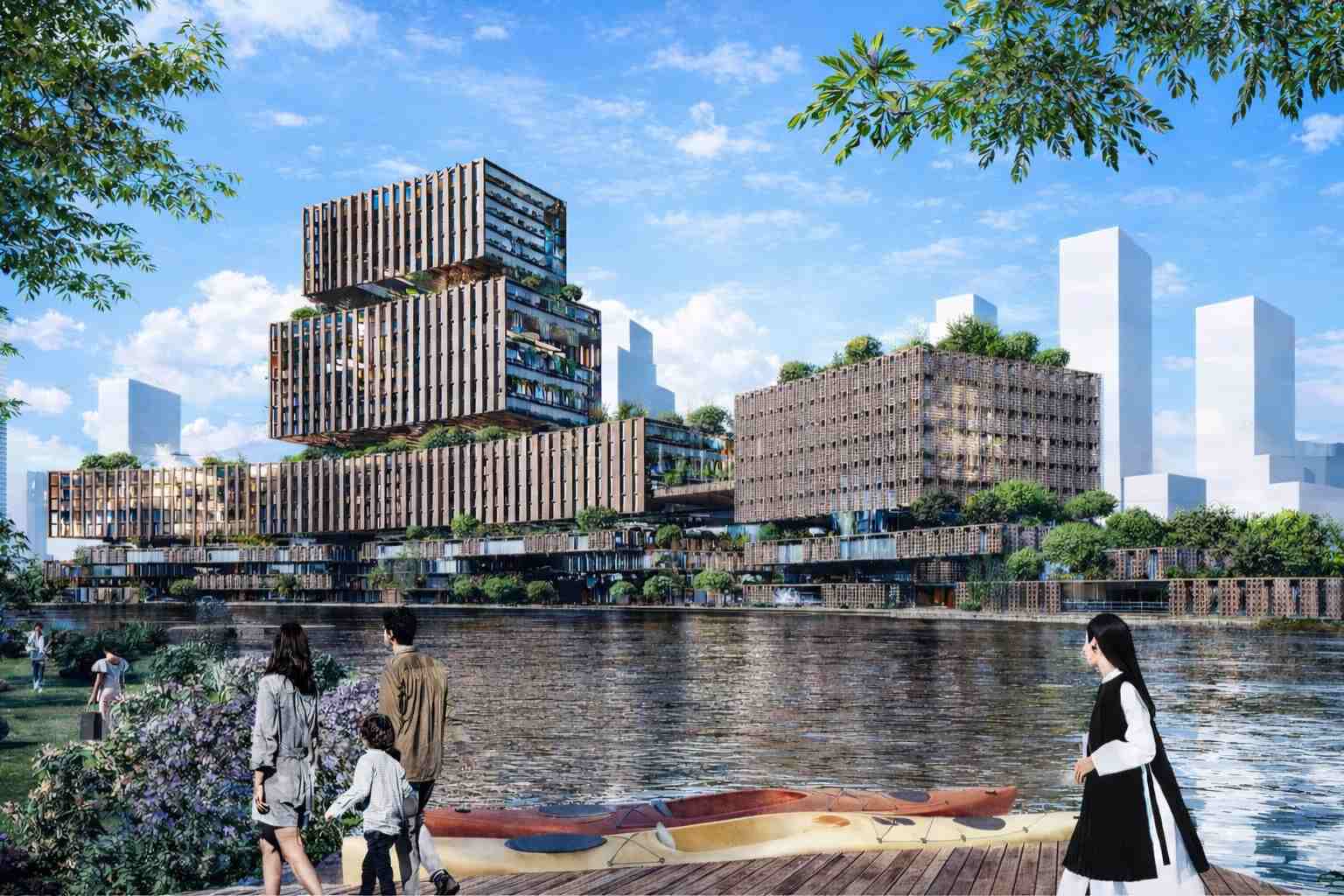
Also according to the Ho Chi Minh City People's Committee, the new administrative center is located in the core area of Thu Thiem peninsula, directly opposite the historical center across the Saigon River.
This location creates a close connection in terms of space, landscape and vision with the existing central axis, while directly connecting key functional areas such as the financial center, commercial - service and mixed urban areas.
Regarding transport infrastructure, the area possesses the advantage of multi-directional access. Mai Chi Tho Avenue plays the role of a strategic radial axis, connecting with Thu Thiem tunnel and the existing central area. To Huu and Nguyen Co Thach routes play the role of the urban backbone of Thu Thiem, ensuring connection with the financial center and neighboring functional areas.
In addition, Metro Line No. 2 (Ben Thanh - Thu Thiem section) and oriented metro lines will enhance the continuous connectivity between Thu Thiem and the center and surrounding areas, reducing dependence on personal vehicles.
The multimodal linkage structure, integrating roads, river tunnels, waterways and urban railways, helps distribute traffic flow and improve transport capacity throughout the region.
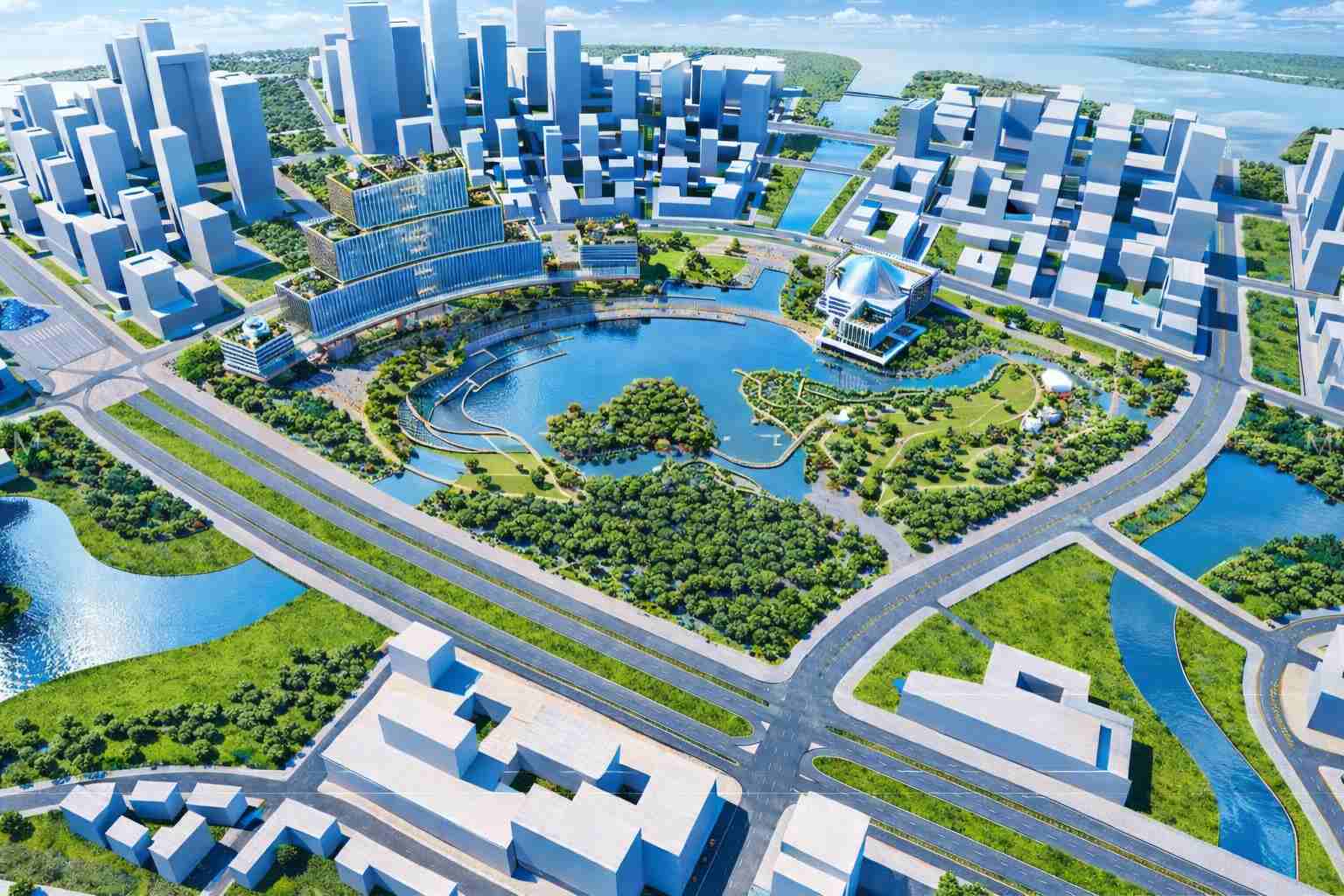
The new Political - Administrative Center of Ho Chi Minh City is designed according to the "open office" model, integrating smart digital infrastructure, creating a professional, transparent and efficient working environment.
Functional areas are arranged in a multi-functional direction, using common infrastructure such as meeting rooms, conference rooms and flexible working spaces, in order to optimize usage efficiency, avoid waste and meet the operating requirements of a large city.


