
Year-end seaport bustling
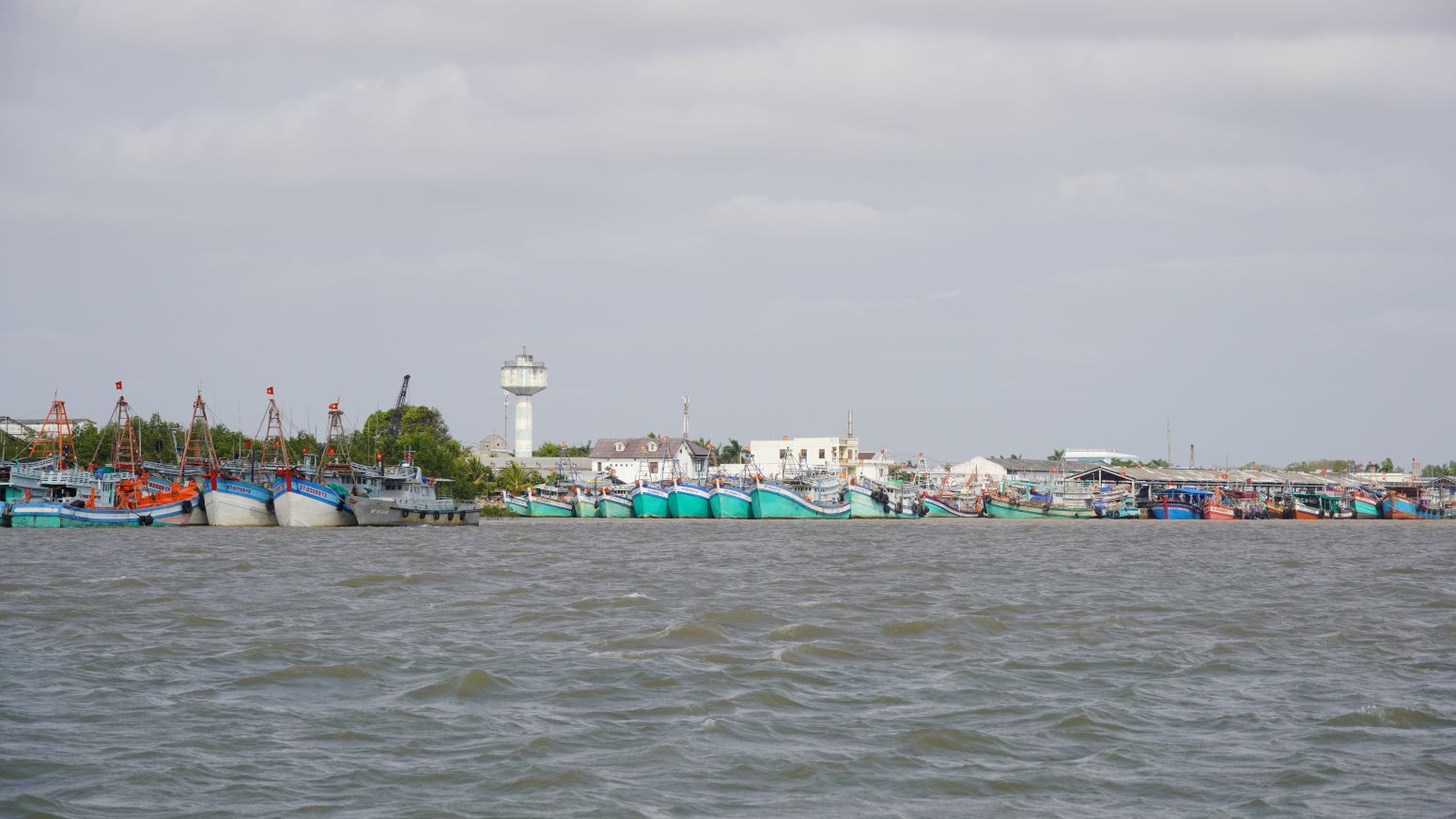
In the days leading up to Tet, at Tran De Fishing Port (Can Tho City), groups of fishing boats line up to dock after a long journey at sea. From early morning, the atmosphere was already bustling when seafood was loaded and unloaded, and traders came and went bustlingly.
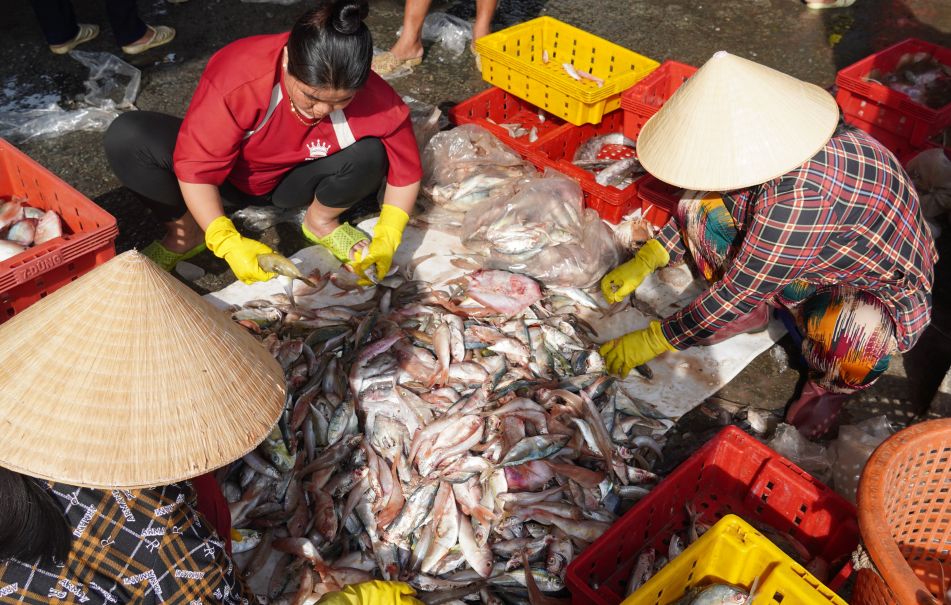
Ms. Quach Thi Phung, who has been attached to the fishing profession since 2011, said that her family currently has 2 fishing vessels. The peak of exploitation is usually from June of the lunar calendar to near Tet. Each vessel has about 5 workers. If a trip is successful, after 10-15 days each person can earn about 4 million VND, but there are also trips that are loss-making.
In the days leading up to Tet, the output is somewhat higher than at the beginning of the season. Just hoping to have enough expenses, a little surplus to take care of Tet for the family is already happy," Ms. Phung confided.
Mr. Le Hoai Thuong, who is managing about 15 offshore fishing vessels, said that there are trips lasting up to 6 months, estimated to reach 300-400 tons if favorable. After deducting fuel costs, ice salt, and fishing gear, each worker can divide about 110 million VND for half a year of sticking to the sea.
My ship operates almost throughout the year, many brothers celebrate Tet right offshore, and only return to shore when the trip is completed," Mr. Thuong shared.
According to Mr. Thuong, the most favorable fishing time usually falls in March-April of the lunar calendar, when the weather is stable, the source of cowfish and fish is only abundant. However, squid production this year decreased compared to before, although the price of stone squid fluctuates from 200,000-300,000 VND/kg, dried squid from 700,000 VND to 1 million VND/kg.
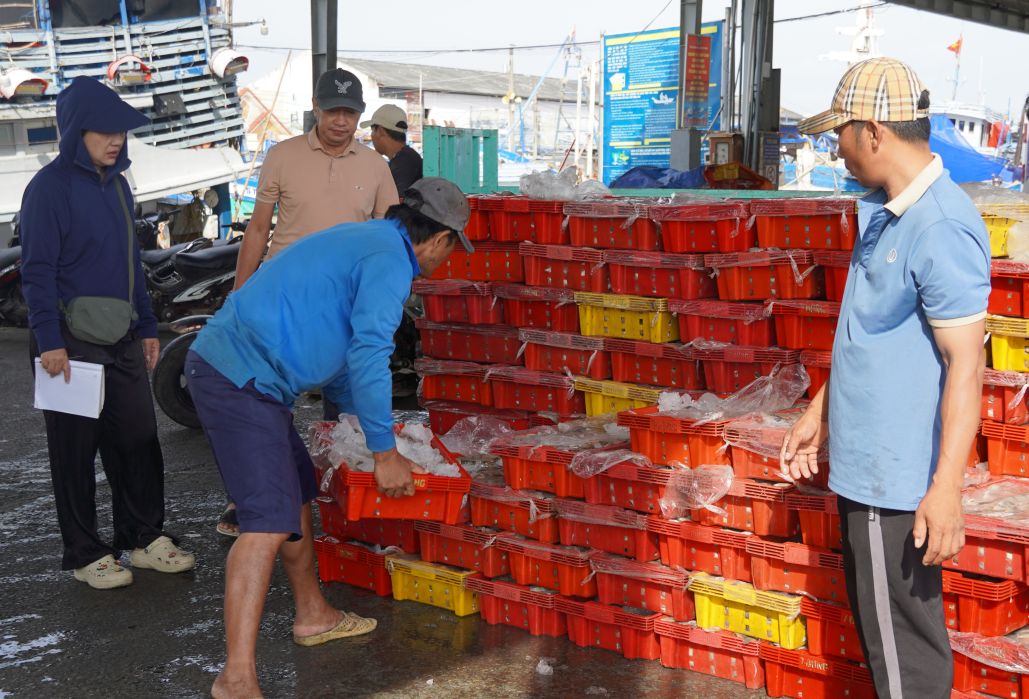
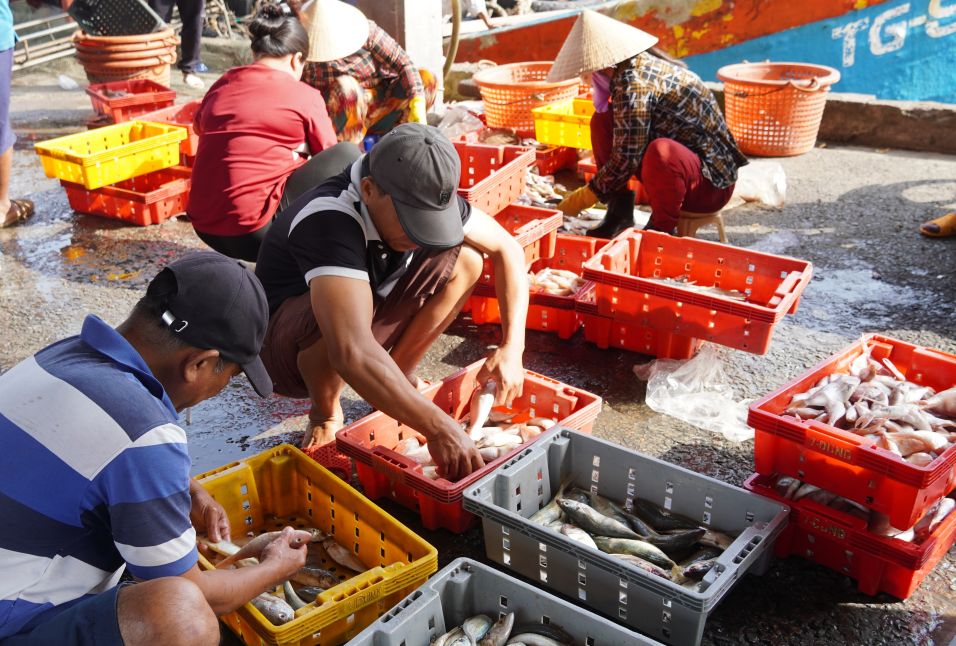
Mr. Nguyen Van Quy, who has been at sea for more than 25 years and currently owns 5 pair trawlers specializing in offshore fishing, said: "Compared to last year, the output is slightly higher, so brothers can rest assured to stick to the sea. Each sea trip lasts more than 3 months, fishing boats periodically load fish every 5-10 days. Each load, if successful, is more than 30 tons, and on average is also over 20 tons. Such a sea trip usually has about 12-15 loads.
According to Mr. Quy, seafood prices this year are generally stable, not increasing sharply but also not decreasing. However, the cost for each sea trip is very large. Oil alone has cost about 50,000–60,000 liters, equivalent to nearly 1 billion VND, not including ice, food, fishing gear and ship depreciation.
If it's a bumper crop, after deducting all expenses, the ship owner will have about 500–600 million VND left. If there are crop failures, it's considered break-even, but on average, after going through, there is still a little profit," he added.
Expectation for the new sea season
After a year of sticking to the sea, most boats have been painted and decorated by ship owners; torn nets have also been promptly patched before the first sea trip of the new year. For fishermen, the first sea trip of the year is an important fishing trip. Therefore, many expectations are placed on this sea trip.
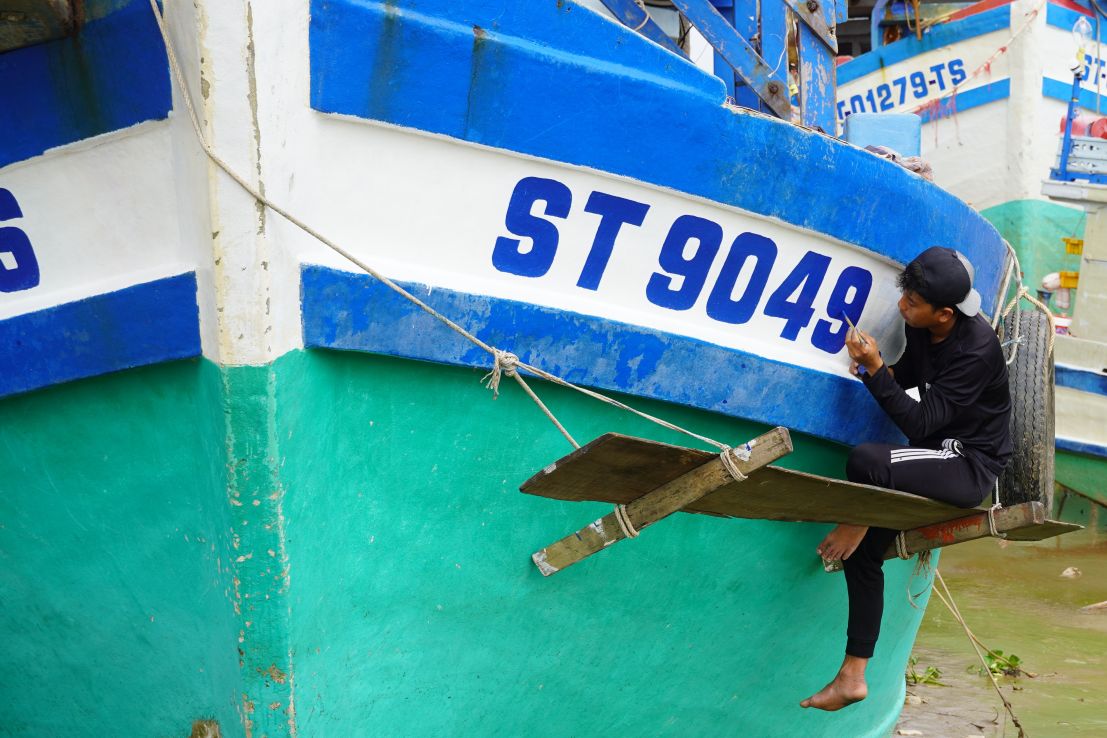
Fisherman Nguyen Hoang Tam said: "Hopefully, the first sea trip of 2026 will bring us good luck to start a successful new year.
Mr. Tran Van Than said that the cost of each sea trip is increasing, especially oil and labor costs, while seafood prices have not increased, so profits are low. Fishermen hope that seafood prices will stabilize to make a profit, because they have encountered many difficulties in the past.
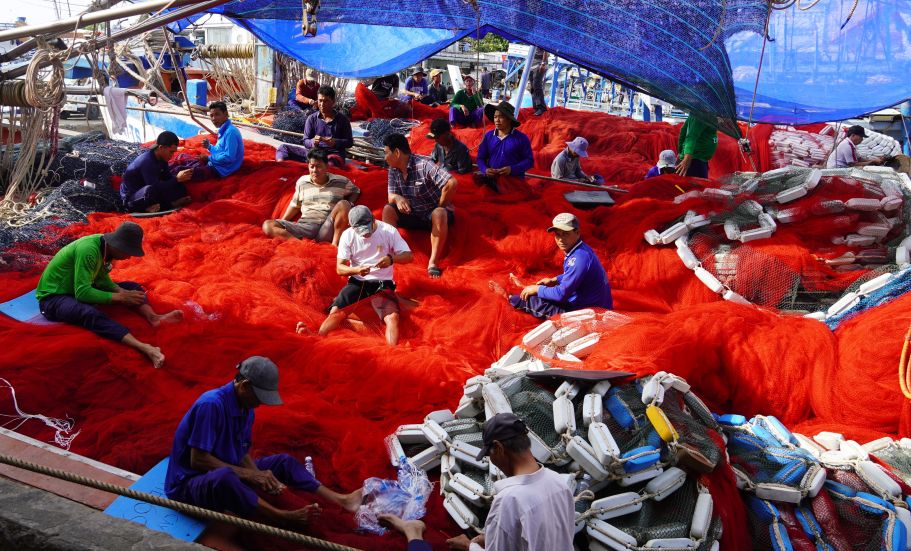
Mr. Quan Duc Danh - Deputy Head of the Management Board of Tran De Fishing Port (Can Tho City) said that in the last days of the year, most fishing boats have finished their sea trips to go ashore for maintenance and repair of machinery, preparing for the first sea trip of the year after Tet.
Mr. Danh informed that in 2025, seafood exploitation activities at the port were quite stable, with about 4,300 fishing boats docking, of which about 22% were ships from other provinces. The number of ships directly loading seafood was about 2,500, with a total estimated output of 42,000 tons, an increase compared to the level of 39,000 tons in the previous year.


