After many decades lying underground, each set of martyr remains enters a new journey at the DNA Examination Center, carrying a hope of reunion.
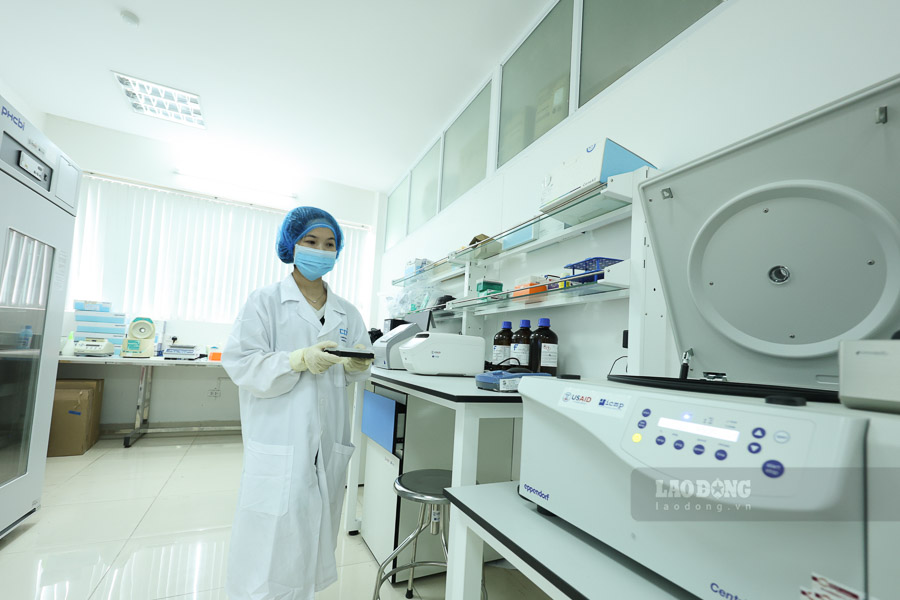
Behind the laboratory door of the Center for DNA Examination (Institute of Biology, Vietnam Academy of Science and Technology), scientists are racing against time to find the identities of those who have sacrificed.
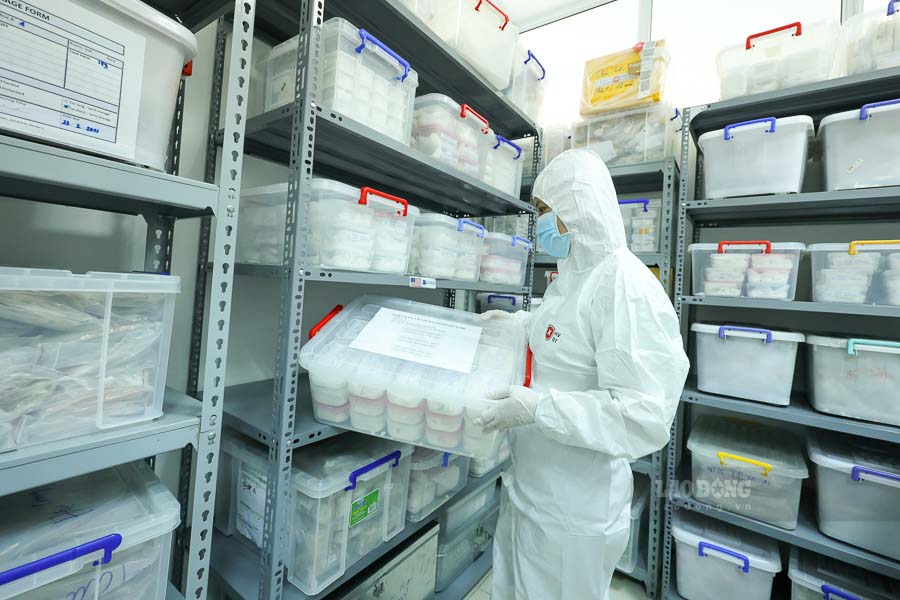
The sample storage of the DNA Examination Center is preserving thousands of bone and tooth samples collected from martyrs' cemeteries across the country. In the 500-day and night campaign to promote the search, collection and identification of martyrs' remains (500-day and night campaign), the unit was assigned to examine more than 6,600 samples of remains, and so far the number of samples to be verified has exceeded 10,000.
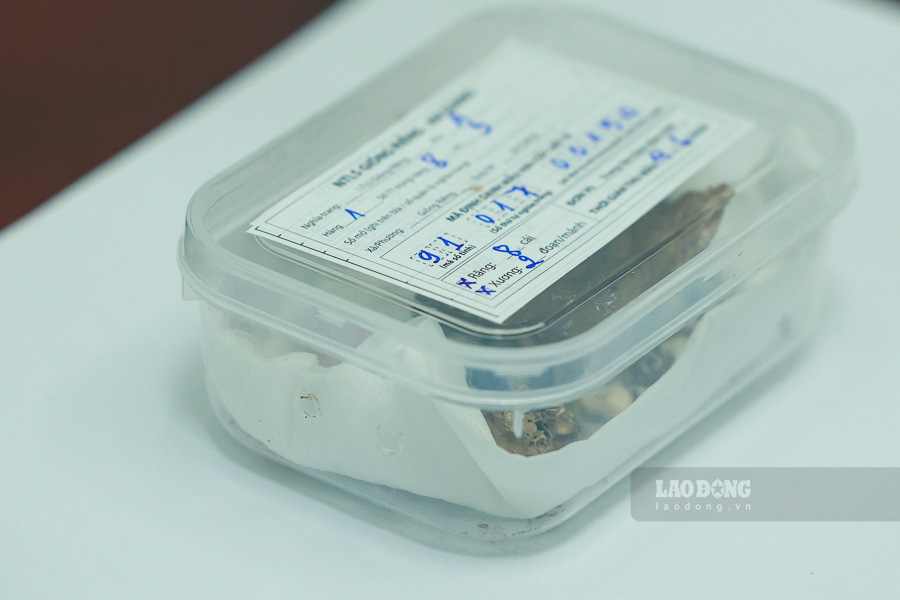
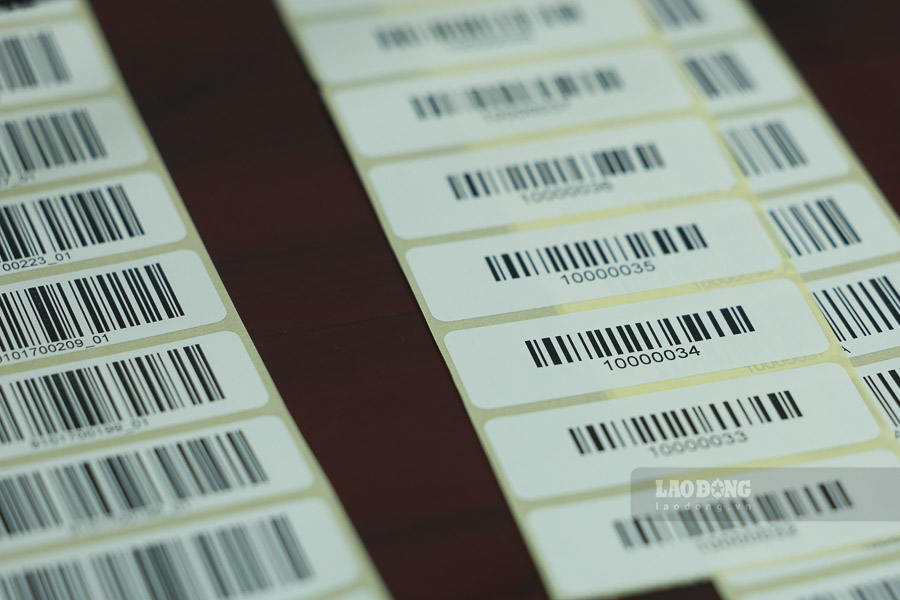
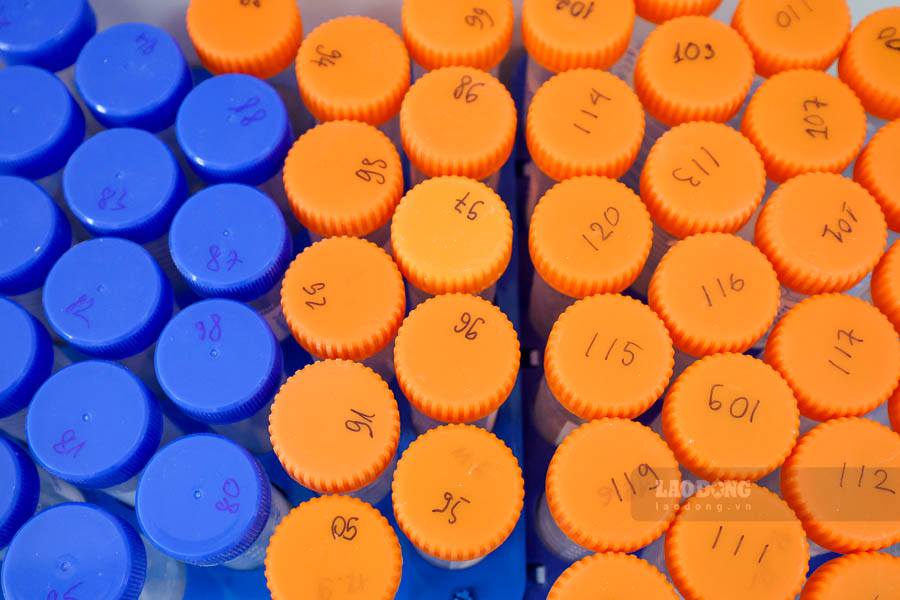
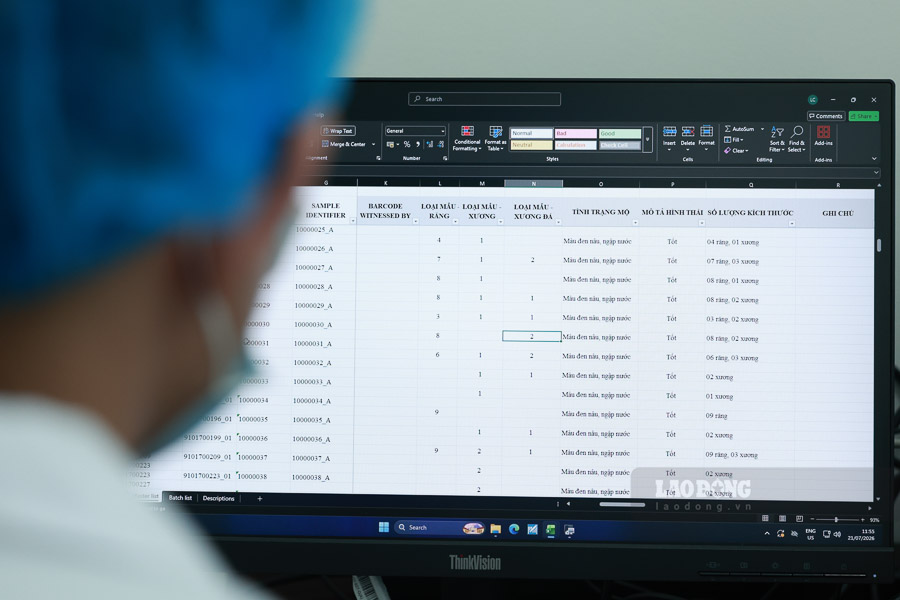
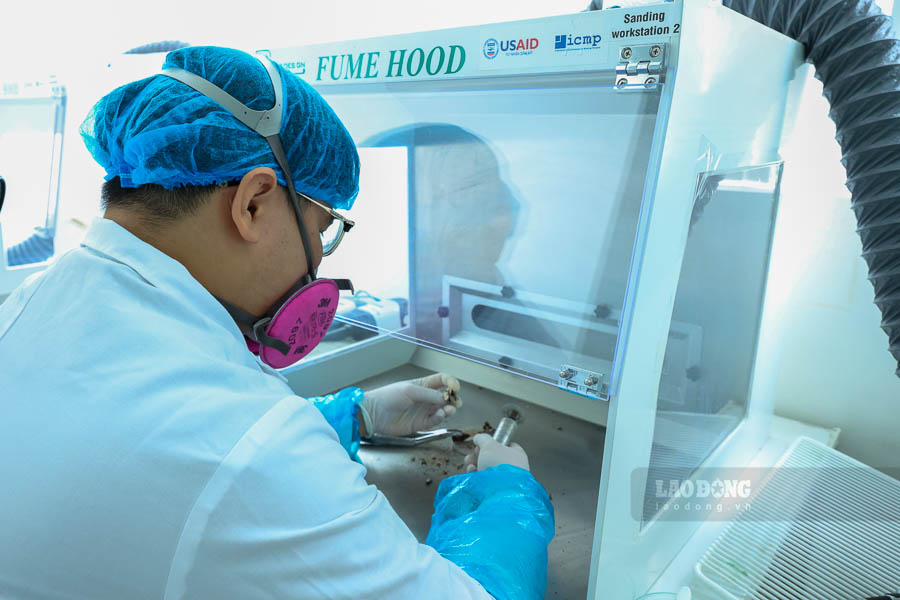
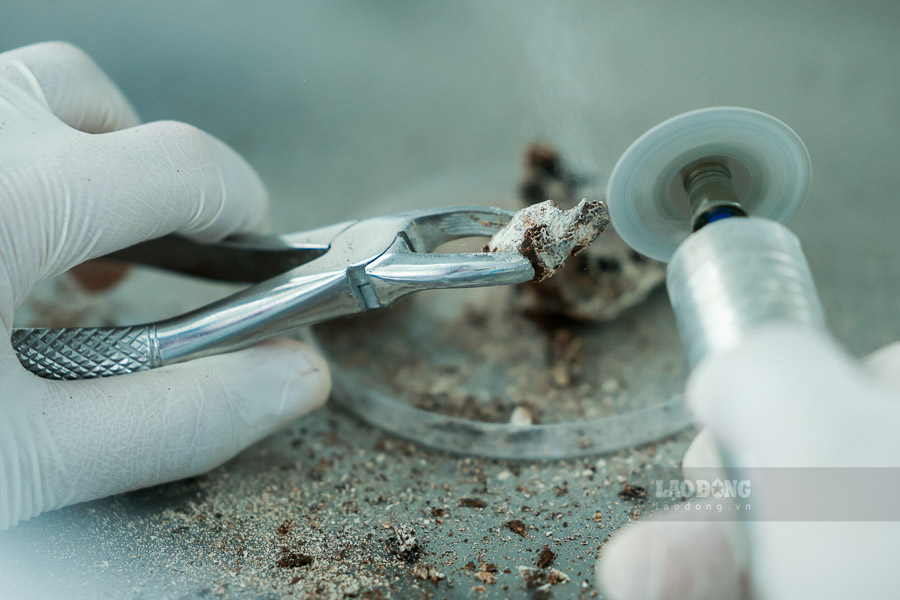
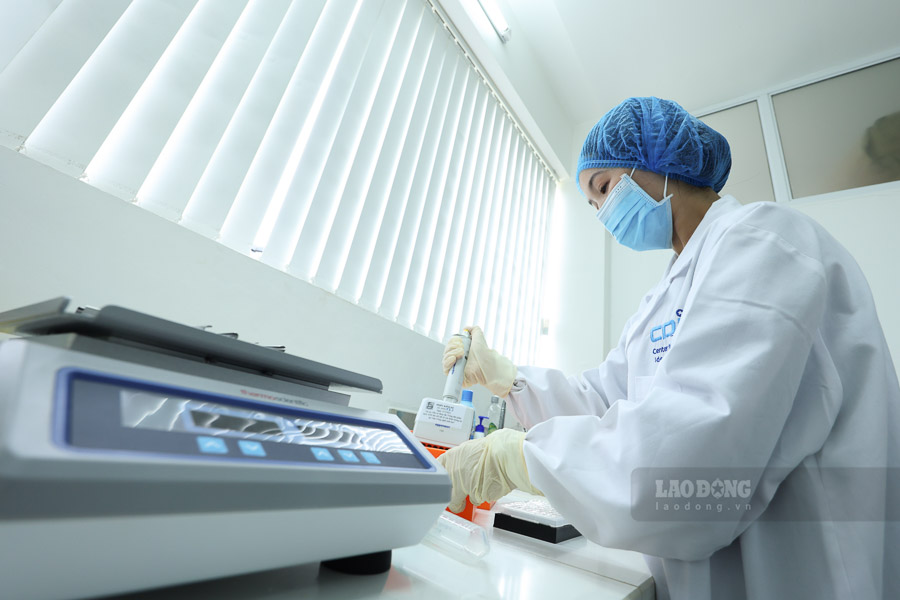
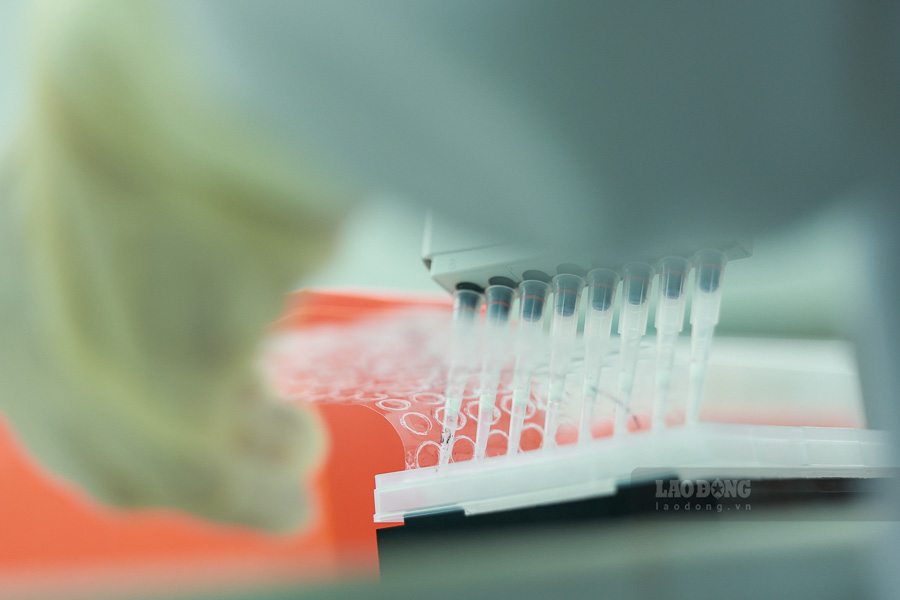
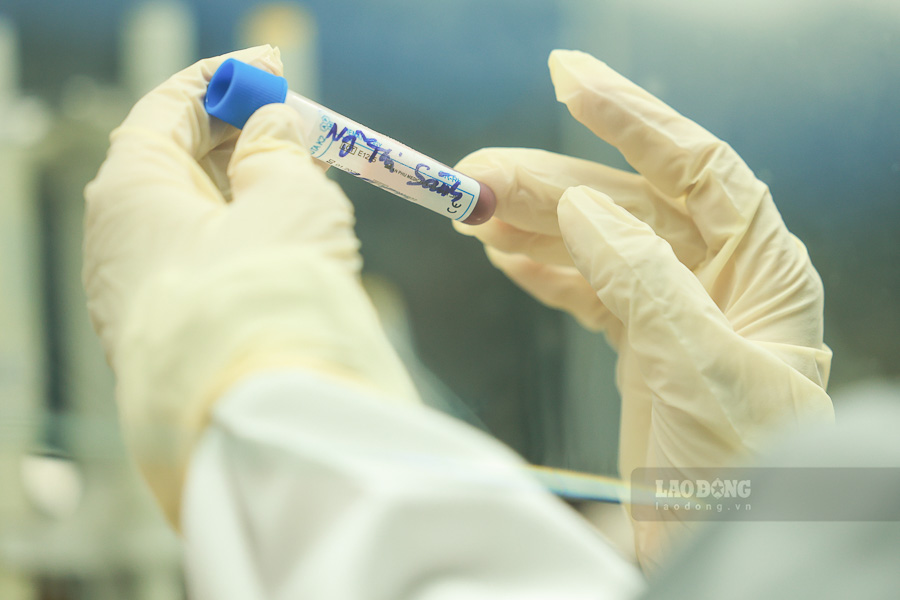
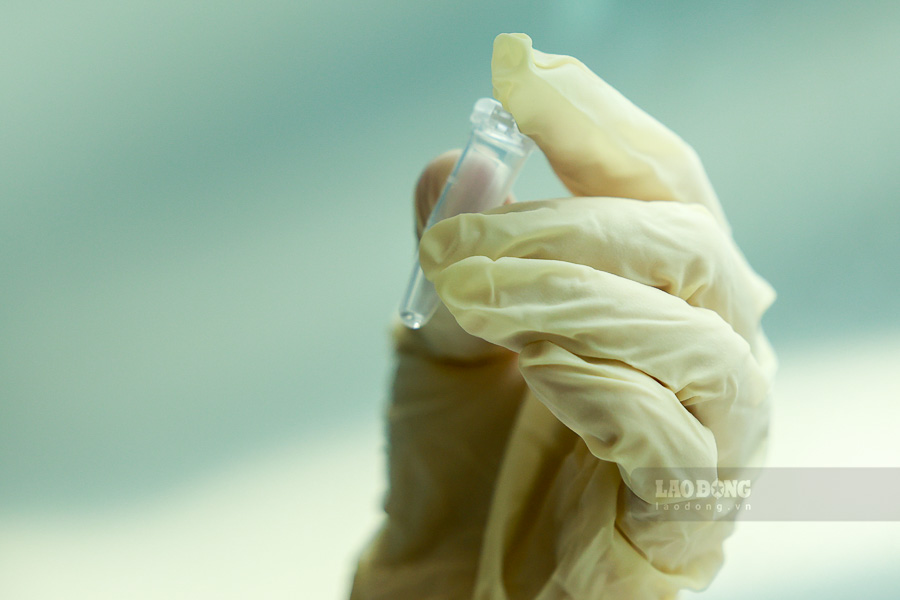
Thousands of martyr remains samples are stored and preserved in strict conditions before entering the DNA testing process.Each box brought here carries the hope of helping a family find their loved one's name after a period of waiting.Immediately upon receipt, each remains sample is issued a unique identification code. All information about the current status of the sample, images, number of bones and processing steps are managed by a digital system, helping to accurately trace throughout the examination process.Attaching a unique identification code will help the data tracking process be accurate throughout the processing process.After decades underground, the bone surface is often contaminated with bacteria, soil and impurities from the environment. Technicians must completely grind off the outer layer, keeping only the cleanest core before grinding it into fine powder to extract DNA.According to Dr. Tran Trung Thanh, Director of the DNA Examination Center, this is one of the most important stages. The quality of this stage significantly determines the ability to recover genetic information from severely decomposed remains samples.Researcher Hoang Thi Thuy - Family DNA Extraction Department - shared: "After being ground into powder, bone samples continue to undergo DNA extraction in a strictly controlled environment to avoid cross-infection.For scientists, this is a stage likened to "seeking a needle at the bottom of a pool", because the amount of DNA remaining after 50-70 years is usually very small, even some samples cannot recover genetic information.The DNA Examination Center is currently mastering new generation gene sequencing technology, allowing to expand the scope of relative comparison not only according to the mother line but also according to the father line and many later generations, opening up more opportunities to identify martyrs.In the DNA extraction room, each drop of solution, each operation of the technician can determine the success of a whole examination. Because behind each result is not only the achievement of science, but also an opportunity for a martyr to return to his name, for a family to close the decades-long waiting journey.According to the leader of the DNA Examination Center, DNA is the final solution when most verified information about martyrs is no longer available. However, DNA is also not a "universal key", because many samples have decomposed too strongly, so it is not possible to recover enough data for comparison. However, for people doing identification work like Ms. Thuy and more than 20 officials at the DNA Examination Center under the Institute of Biology, Vietnam Academy of Science and Technology, each DNA sample is not just scientific data but a person, a family and many years of anticipation. Behind the laboratory doors, the race of the 500-day and-night Campaign is still continuing to give more martyrs the opportunity to return to their names.
HUE - Leaders of Hue City People's Committee requested to expand the scope of searching for and repatriating martyrs' remains in the Huong Thuy station area after discovering a martyr's remain.
Lam Dong - Chairman of the Provincial People's Committee requests to accelerate the progress of the 500-day and night campaign to search, repatriate and identify the remains of martyrs.
Lai Chau - The Ministry of Construction has just announced an emergency situation for natural disasters on National Highway 279 and National Highway 32.
HUE - Leaders of Hue City People's Committee requested to expand the scope of searching for and repatriating martyrs' remains in the Huong Thuy station area after discovering a martyr's remain.
Lam Dong - Chairman of the Provincial People's Committee requests to accelerate the progress of the 500-day and night campaign to search, repatriate and identify the remains of martyrs.
Vui lòng cho phép quảng cáo xuất hiện
Advertising revenue supports our journalism and helps keep our content free for everyone. Please consider disabling your ad blocker to support our work.
Hướng dẫn tắt chặn quảng cáo
Thực hiện theo các bước sau để tắt tiện ích chặn quảng cáo
1Nhấn vào biểu tượng tiện ích trên thanh trình duyệt (góc trên bên phải)