
Remind each other to keep the journey monitoring device
If IUU is violated, not only the ship owner but also all crew members suffer losses" - Mr. Tran Thanh Tin - owner of QNa 91027 ship, Nui Thanh commune (Da Nang) - said briefly about the reason why fishermen must comply with increasingly strict regulations when going to sea.
The squid fishing trip lasted 2 months (from June to August 2026), Mr. Tin's boat exploited about 40 tons of dried squid, selling for more than 6 billion VND. After deducting expenses, each crew member earned more than 80 million VND. But an effective sea trip, according to Mr. Tin, is not only calculated by a full fish hold.
“Brothers are now reminding each other to keep the journey monitoring device always working, and keep a full exploitation log,” he said.
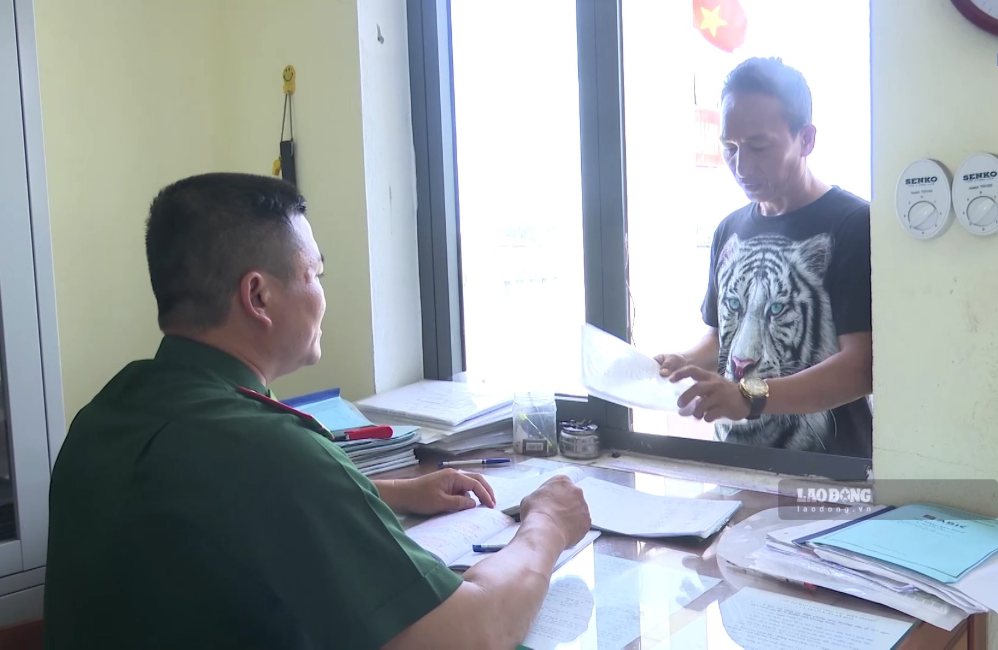
At the port, ship owners and captains must complete declarations, present papers and ensure operating conditions. For ships that are mandatory, VMS tracking devices must maintain connection.
When the ship leaves the sea gate, VMS becomes a "magic eye" throughout the journey. From the mainland, functional agencies can monitor the ship's position. When the vehicle approaches the boundary of foreign waters or the signal shows signs of abnormality, the ship owner is contacted and warned to adjust in time.
According to the Da Nang Sub-Department of Sea, Islands and Fisheries, from 2022 to now, the city has no fishing vessels violating foreign waters. After the merger, Da Nang has 4,125 fishing vessels updated to the national fisheries database; 1,192/1,193 vessels with a length of 15m or more have installed and operated vessel monitoring equipment.
At sea, in addition to finding schools of fish, the captain must also record fishing information. Time, area, species and catch output are the data that will be compared when the ship returns.
Mr. Do Kim Nung - Chairman of the Quang Phu Ward Fisheries Union, recounted that there were ship owners in the area who were fined for arbitrarily turning off the journey monitoring equipment. From there, the union became more persistent in propaganda, and at the same time supported older fishermen to complete registration, inspection and necessary procedures.
Batch of fish returning to shore must have "record
After many days of drifting, the ship tied ropes to the wharf, but the sea trip has not ended.
Mr. Pham Trung Thanh - Deputy Head in charge of the Da Nang Ship Harbor and Fishing Port Management Board - said that at the two designated fishing ports Tho Quang and Tam Quang, 100% of fishing vessels before docking and leaving the port declare through the CDT VN application to serve management and traceability.
Along with electronic declaration instructions, forces at the port coordinate with Border Guards and local authorities to control operating conditions, not allowing "3 no" ships or ships that do not meet the conditions to depart.
When the ship returns, 100% of the ships submit a fishing log or a purchase and transshipment log. Each batch of fish and squid brought ashore is monitored for output, species composition and compared with the data of the sea trip.
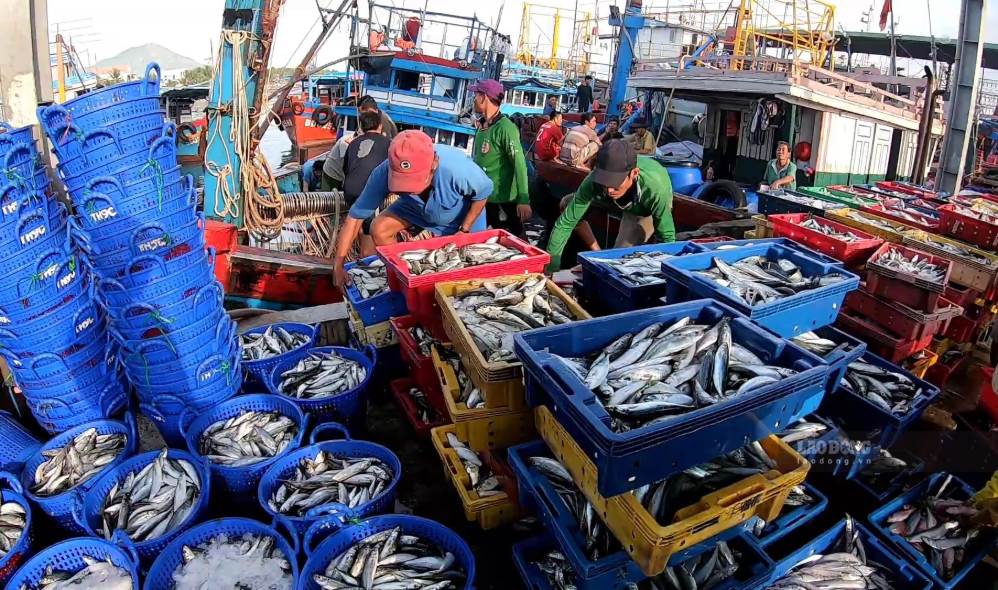
If the journey has gaps, incomplete logs, or the source of raw materials is not legally determined, the confirmation and traceability of origin will be affected.
That is also how a batch of fish has a "record": exploited by which ship, in which sea area, at what time and brought to which port.
Da Nang's peak month against IUU ended on September 15, but for fishermen, removing the "yellow card" starts from very specific things: going to the right area, fishing according to the law and bringing ashore batches of fish that can clearly prove their origin.


