
Energy security pressure and urgent requirements from policy
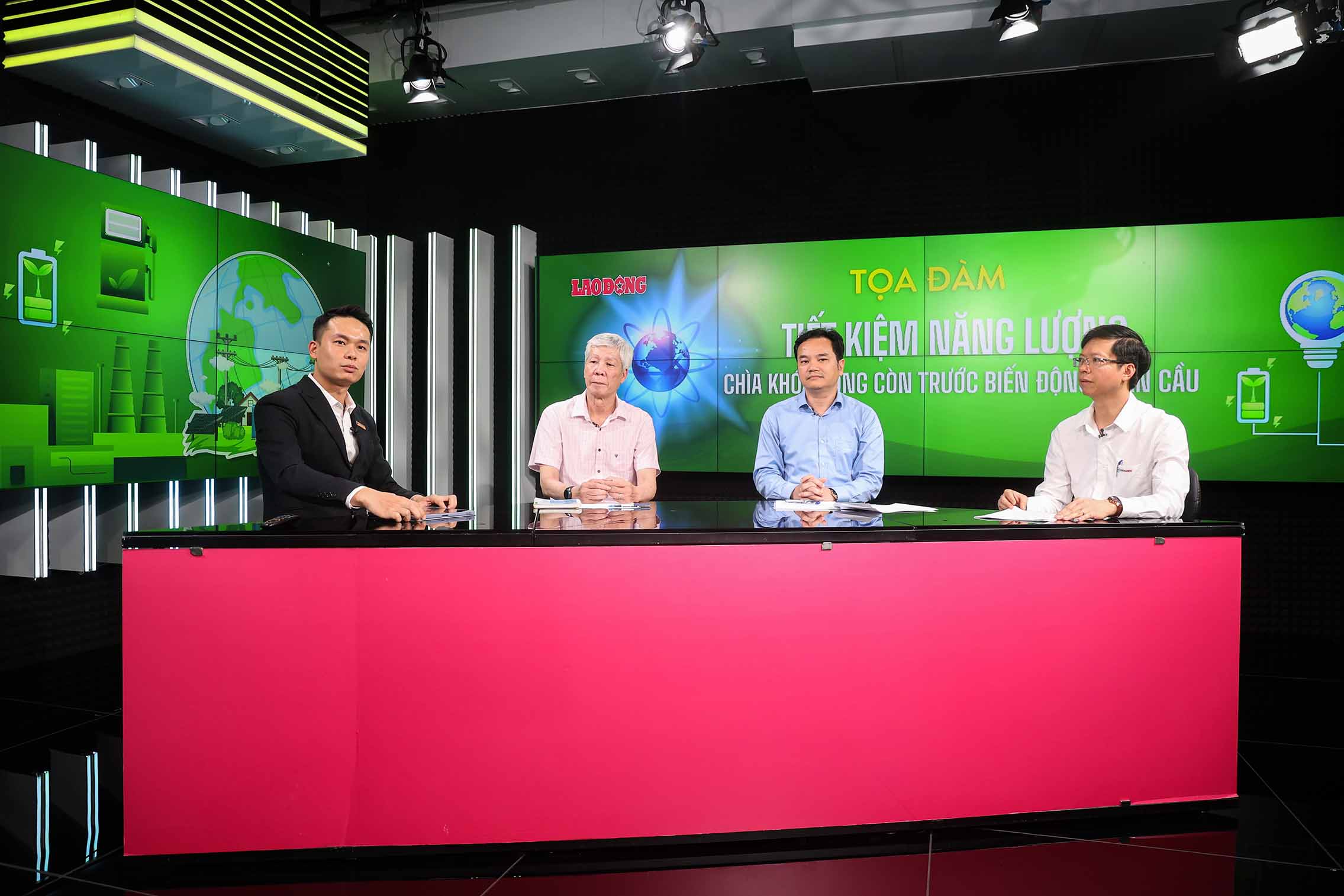
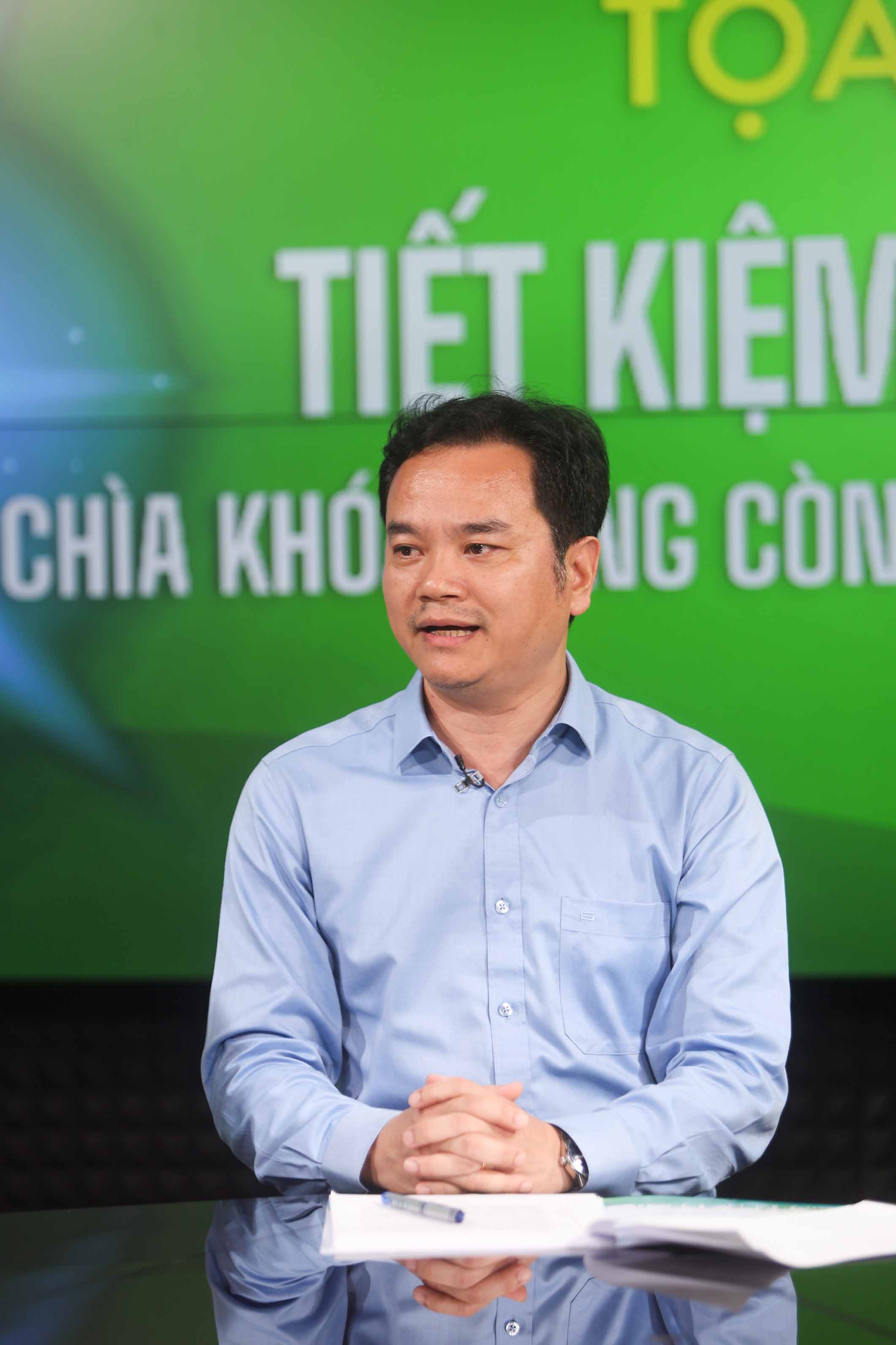
In the seminar program "Energy Saving: Key to Survival Against Global Fluctuations", recently held by Lao Dong Newspaper in Hanoi, assessing the urgency of the current energy issue in our country, Mr. Cu Huy Quang - Head of Energy Efficiency and Green Transformation Department (under the Department of Innovation, Green Transformation and Industrial Promotion, Ministry of Industry and Trade) - said that the Politburo's issuance of Conclusion No. 14-KL/TW dated March 20, 2026 on ensuring supply and stabilizing fuel prices continues to affirm that energy is a key and strategic issue for the Vietnamese economy in the new context.
This also shows the Party and State's concern in ensuring energy security, not only in the short term but also strategic and long-term. The goal is to build a sustainable energy system, reduce dependence on imports, and limit the impact of external fluctuations.
In that context, the management of energy supply needs to be innovated in a more efficient direction, while promoting the use of energy economically and efficiently. This is considered a key solution to meet the needs for economic growth and maintain social stability.
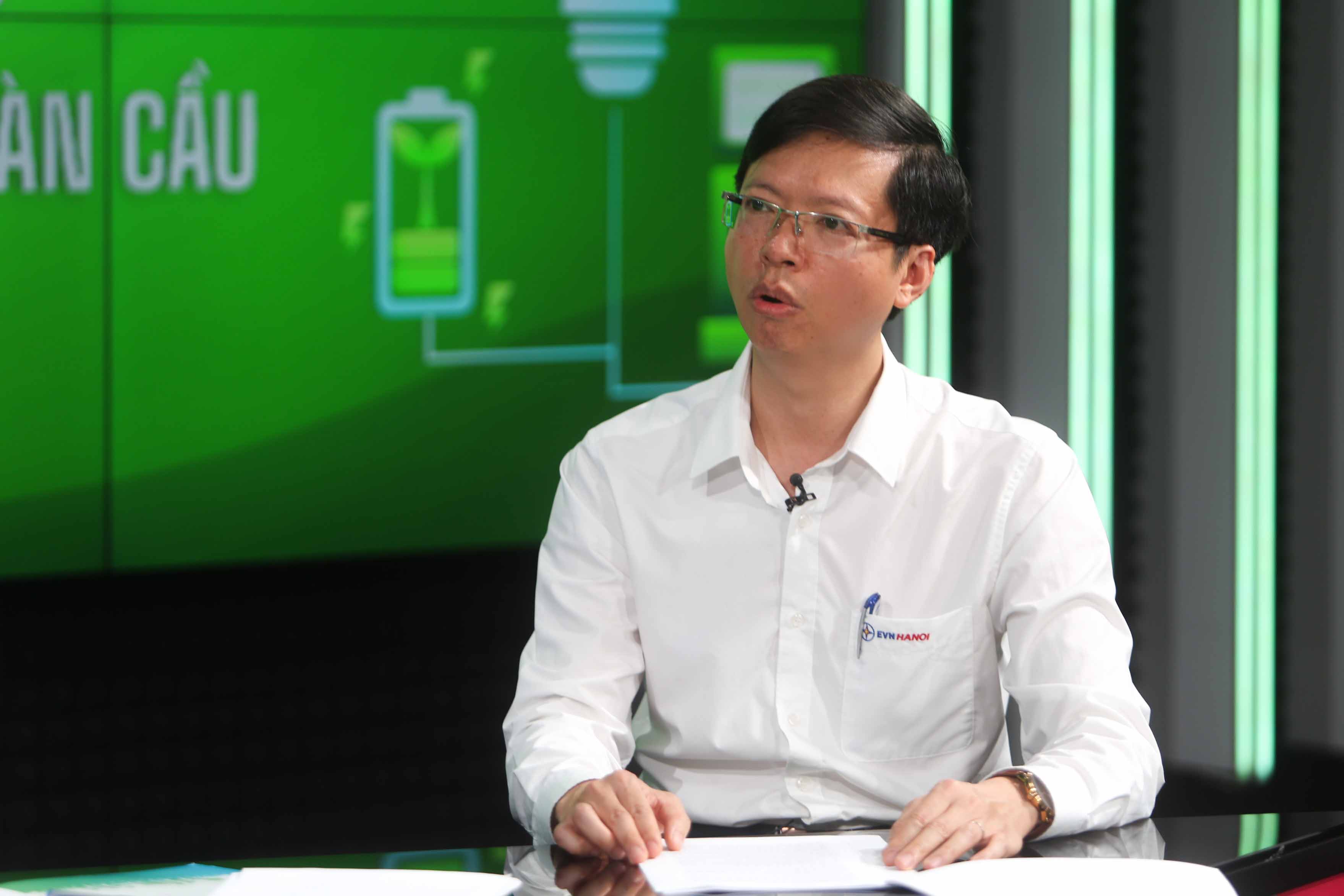
In fact, the Government's directives have been quickly implemented at the local level. In Hanoi, Hanoi Power Corporation (EVNHANOI) has coordinated with the Department of Industry and Trade to advise the City People's Committee to implement programs to use energy economically and efficiently and manage electricity demand in 2026.
Mr. Vu The Thang - Deputy Head of Business Department of EVNHANOI - said that the unit has developed a detailed plan and synchronously deployed it to affiliated units. Many specific activities have been launched such as the electricity saving campaign in response to Earth Hour 2026, load management program, as well as strengthening communication to customers.
In particular, after the Prime Minister issued Directive No. 09/CT-TTg (March 19, 2026) and Directive No. 10/CT-TTg (March 30, 2026) in March 2026 to promote energy and electricity saving, promote the transition to green energy and develop rooftop solar power, EVNHANOI has coordinated to organize a deployment meeting with the participation of departments, branches and 126 communes and wards in the area to effectively implement the Directives.
In addition, the Capital's electricity sector strengthens the direction of member units to strengthen propaganda to customers about using electricity economically and efficiently, encouraging the installation of rooftop solar power in the direction of self-production and self-consumment, contributing to the implementation of the targets of the Directive set out by the Government.
Reducing energy consumption by 1-1.5%/GDP per year is a feasible goal
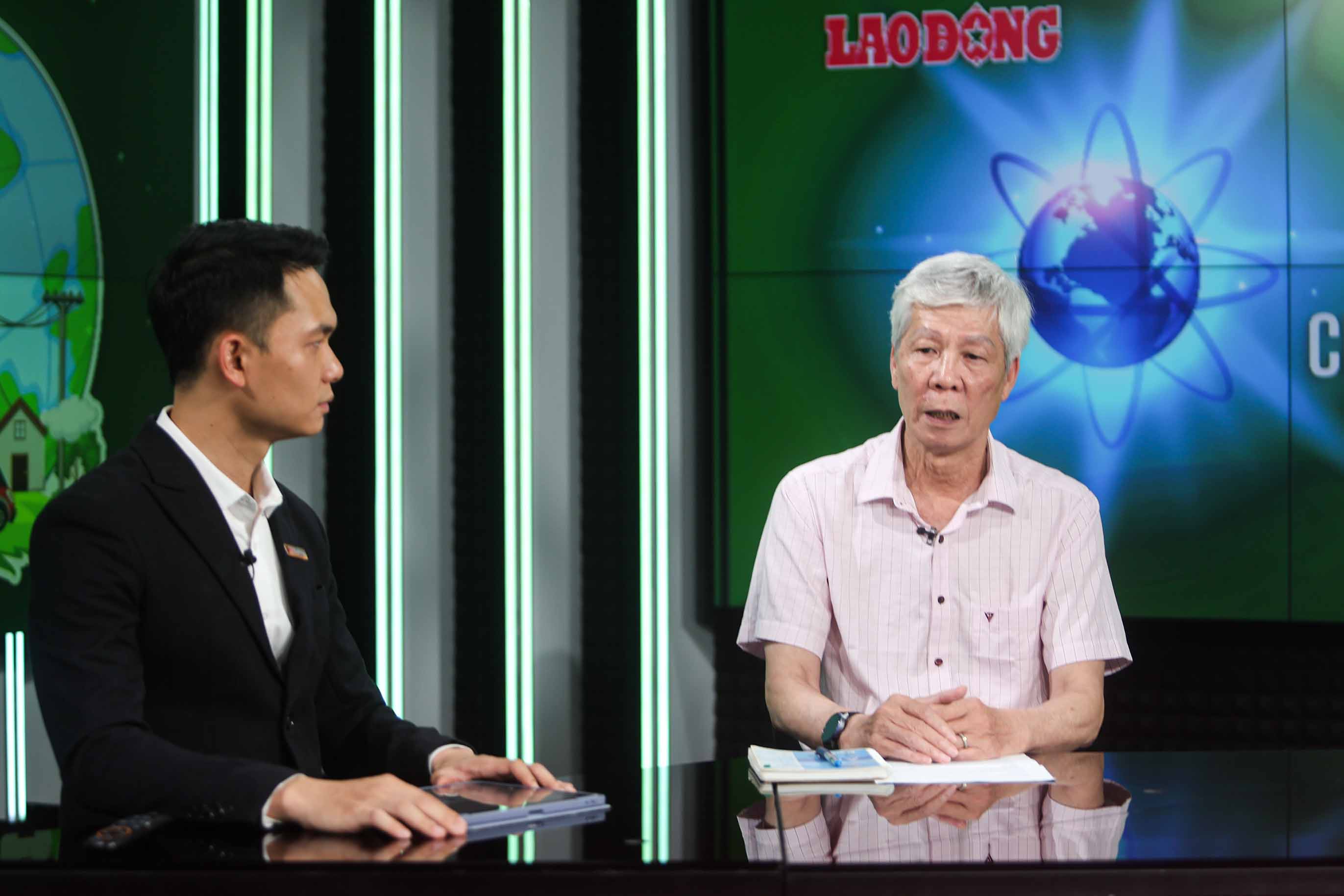
From an expert perspective, Mr. Nguyen Anh Tuan - Standing Vice Chairman of the Vietnam Energy Association - assessed that Directive No. 09 requiring increased energy saving, towards the goal of reducing energy consumption by 1-1.5%/GDP per year by 2030, is completely feasible.
According to Mr. Tuan, Vietnam still has great room to save energy due to low efficiency.
Citing data from 2024, Mr. Tuan said that Vietnam's energy intensity is at about 190 kg of oil converted/1,000 USD (fixed price), nearly double that of developed countries such as South Korea, the United States or OECD (Organization for Economic Cooperation and Development) which is about 100 kg of oil converted/1,000 USD.
Meanwhile, Vietnam's average energy consumption per capita is only more than 700 kg of oil equivalent per capita, much lower than South Korea and the United States (which is from 5,600 - 6,300 kg) and OECD countries (about 3,800 kg).
This shows that Vietnam's energy saving potential is still very large, both due to low consumption scale and due to low energy efficiency.
Notably, in Directive No. 10, the Prime Minister also assigned a specific target: to save at least 3% of electricity in 2026. This is a practical requirement, requiring sectors, localities and people to join hands.
Also according to Mr. Tuan, in terms of consumption structure, according to the Vietnam energy market assessment report in 2024, the industrial and construction sectors currently account for more than 40% of total energy demand, followed by transportation with about 22.8% and the civil sector with about 13.7%.
Notably, in industry, non-metallic and metal material manufacturing industries consume very much energy, accounting for about 33% of the total consumption of the entire industry.
Pressure from these sectors poses the requirement to restructure the economy in the direction of gradually reducing energy-consuming industries, switching to industries with high added value but using energy more efficiently. However, this process needs an appropriate roadmap to avoid causing production disruptions.
In the field of transportation, promoting electric vehicles and using biofuels such as E10 gasoline is considered a direction to be promoted. Along with that, businesses need to proactively innovate technology and optimize production processes to save energy.
Mr. Tuan believes that only by synchronously combining economic restructuring and changing energy use behavior can Vietnam reduce pressure on the energy system and ensure sustainable energy security in the long term.


