
Diseases on livestock and aquaculture are developing complicatedly
According to the Department of Agriculture and Environment of Ca Mau province, the whole province currently has more than 439,000 hectares of aquaculture. However, the intense heat in the past time has caused nearly 3,000 hectares of shrimp, crab and blood cockles to be damaged. Among them, the model of extensive shrimp farming and improved extensive farming is the most severely affected with more than 2,000 hectares damaged.
At the working session between local specialized sectors and the working delegation of the Department of Livestock and Veterinary Medicine on May 6, the key content was to strengthen disease surveillance, build disease-free zones and proactively implement disease prevention and control solutions in the entire agricultural sector.
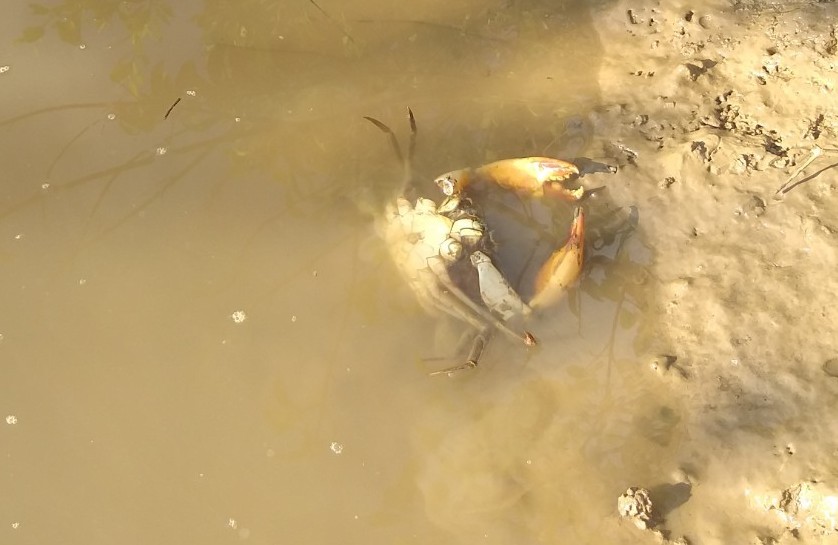
According to reports, in Dat Moi and Tan An communes alone, the damaged crab farming area has reached 369 hectares. The situation of crab deaths has appeared for about 2 months and continues to be complicated.
Mr. Le Quang Dung (resident of Trai Luoi A hamlet, Dat Moi commune) said that initially crabs died sporadically, but then spread throughout the farming area, the damage rate is estimated at about 50%. "Crabs reach a size of 200-300 grams/crab, preparing for harvest but dying en masse. People really hope to have handling instructions soon to stabilize production," Mr. Dung said.
Mass crab deaths, farmers worry about losing everything
Informing the survey team, Mr. Tran Van Nghi (resident of Trai Luoi A hamlet, Dat Moi commune) said that this year seaweed appeared densely under the farming square, covering the water surface, causing the bottom layer to rot, and the water environment to change in a direction unfavorable for farming crabs.
In Tan An commune, Mr. Nguyen Thanh Liem (resident of Tan Tien hamlet) said that crab deaths often appear around March and April in recent years. Diseased crabs show signs of slowness, the body turns pink, the shell is covered with algae, foamy and dies very quickly after being pulled out of the water.
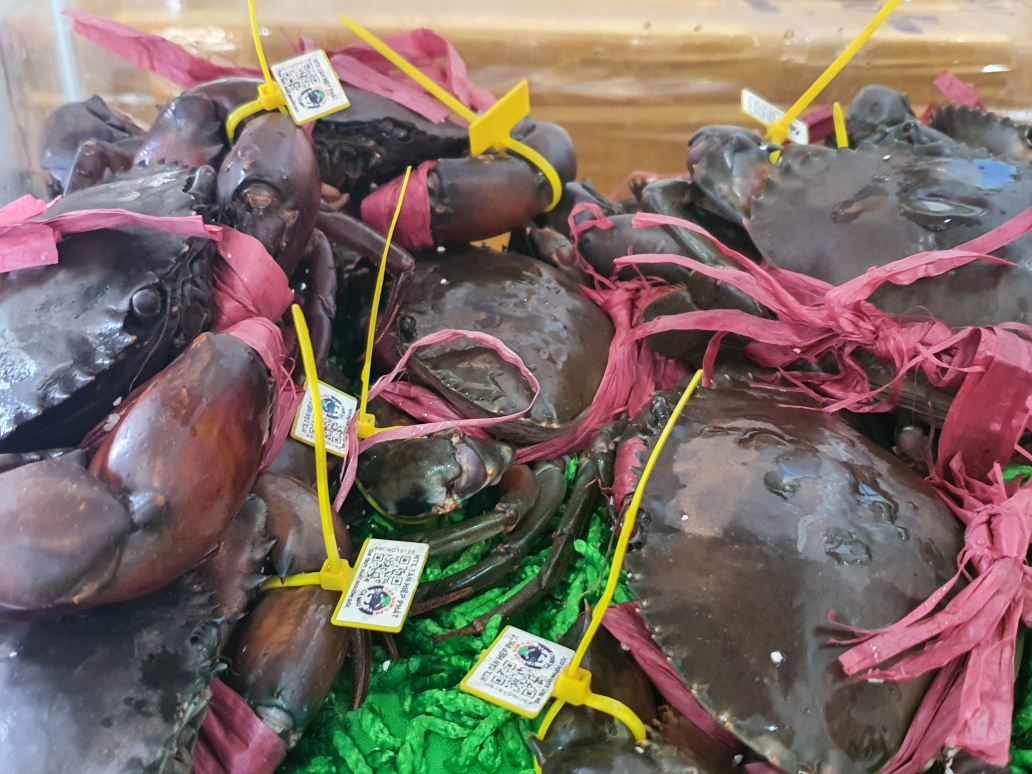
After conducting actual surveys and taking samples for testing, the working delegation of the Department of Livestock and Veterinary Medicine and the Central Center for Diagnostic and Veterinary Testing II determined that the main cause of crab death was leg-carp crustacean parasites clinging to the body, absorbing nutrients, causing crab exhaustion. Currently, there are no specific treatment measures for this type of parasite.
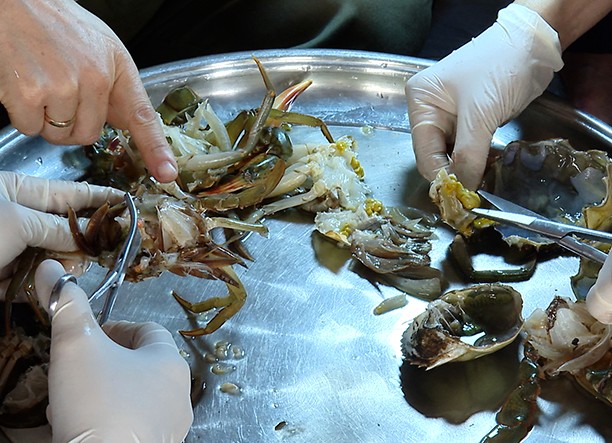
In addition to epidemic factors, prolonged hot weather causes water temperature to rise, salinity to fluctuate, causing the resistance of shrimp and crabs to decrease and the risk of damage to increase sharply.
In recent days, Mr. Huu Minh Ut's 2-hectare black tiger shrimp pond (in Tan Loc commune) has suffered damage of about half of its area when the shrimp had only been raised for more than 70 days.
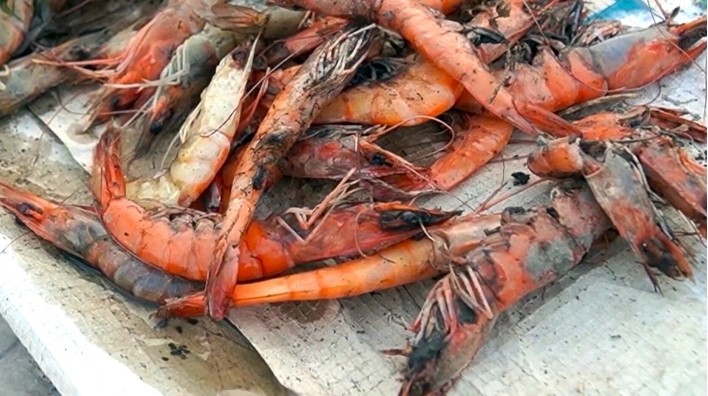
If it's favorable, in about 2 months we can earn about 50 million VND, but now nearly 10 million VND of investment is considered lost," Mr. Ut said.
Meanwhile, Mr. Dang An Hung (in Dat Moi commune) said that crab deaths after Tet have been repeated for many years every time the hot weather lasts. His family's farming area of more than 4 hectares is currently almost completely lost, with losses of up to tens of millions of VND.
According to specialized sectors, about 59% of aquaculture areas are damaged by extreme weather, the rest due to common diseases in shrimp and parasites in crabs.
Faced with the above situation, the Department of Agriculture and Environment of Ca Mau province has advised the Provincial People's Committee to implement an epidemic prevention and control plan; assigned officials to take samples, guide the handling of farming ponds, disinfect and improve the environment. Functional sectors also recommend that people adjust the crop schedule, apply multi-season farming models to reduce risks in unfavorable weather conditions.


