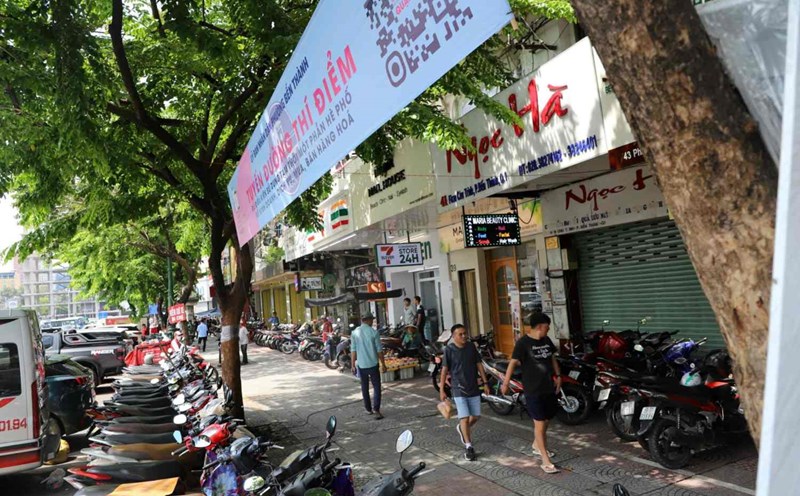
In May 2024, Mr. Tran Huy Hoang - owner of a pho restaurant on Hai Trieu street (Saigon ward, District 1 previously) - was one of the first households to register to temporarily use sidewalks for business according to Ho Chi Minh City regulations.
Mr. Hoang registered to use 8 m2 of sidewalk in front of the shop with a fee of 100,000 VND/m2 per month. This area helps the shop have more space to arrange two tables to serve customers while still ensuring a clear walkway.
“Initially, I paid fees quarterly, then switched to paying for the whole year because I found the fee level suitable for the central location. With a proper license, I am more assured to trade,” Mr. Hoang shared.
However, from November 2025, when Ho Chi Minh City abolished Decision 32/2023/QD-UBND on temporary management and use of a part of the roadway and sidewalk, Mr. Hoang will no longer be allowed to continue registering to use sidewalks for business.
I hope the city will soon allow the re-implementation so that people can use it legally, both convenient for business and ensuring urban aesthetics" - Mr. Hoang said.
According to statistics, from May 2024 to July 2025, Ho Chi Minh City collected about 8.5 billion VND from temporary leasing of roads and sidewalks to serve business services, trading goods and parking.
However, after the Road Law and the Law on Road Traffic Order and Safety take effect, from November 2025, the city will no longer license business activities on sidewalks. Currently, only a few special cases are considered for temporary use of sidewalks such as serving construction, material gathering, funeral organization or parking.
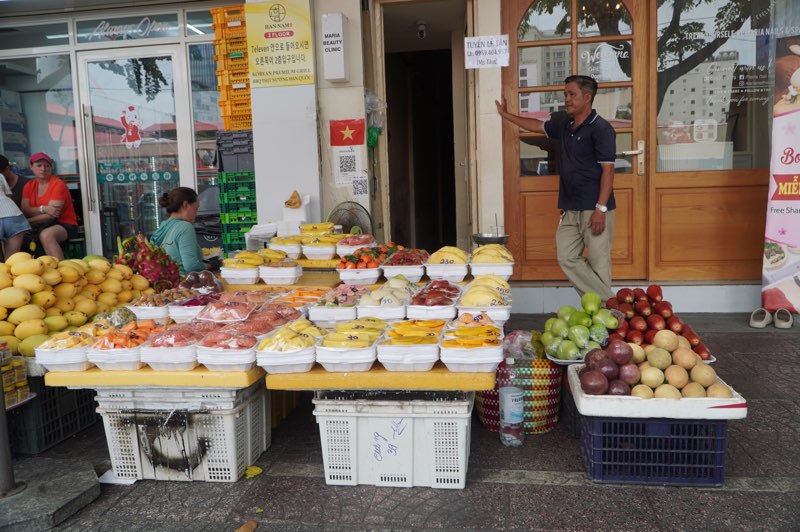
However, the demand for using sidewalks for business in Ho Chi Minh City is still very large, especially in the central area.
Recently, An Dong ward (formerly District 5) became the first locality to pilot software to register for temporary use of roadways and sidewalks online through websites and applications from May 15. After 10 days of implementation, the locality received 58 dossiers.
Mr. Nguyen Xuan Thanh - Vice Chairman of An Dong Ward People's Committee - said that most of the current demand is to use sidewalks for business and trading, but the law does not allow it.
From this reality, the locality proposes that Ho Chi Minh City soon issue a suitable legal basis for people to register for legal business on sidewalks, both meeting livelihood needs and in line with urban development practices" - Mr. Thanh said.
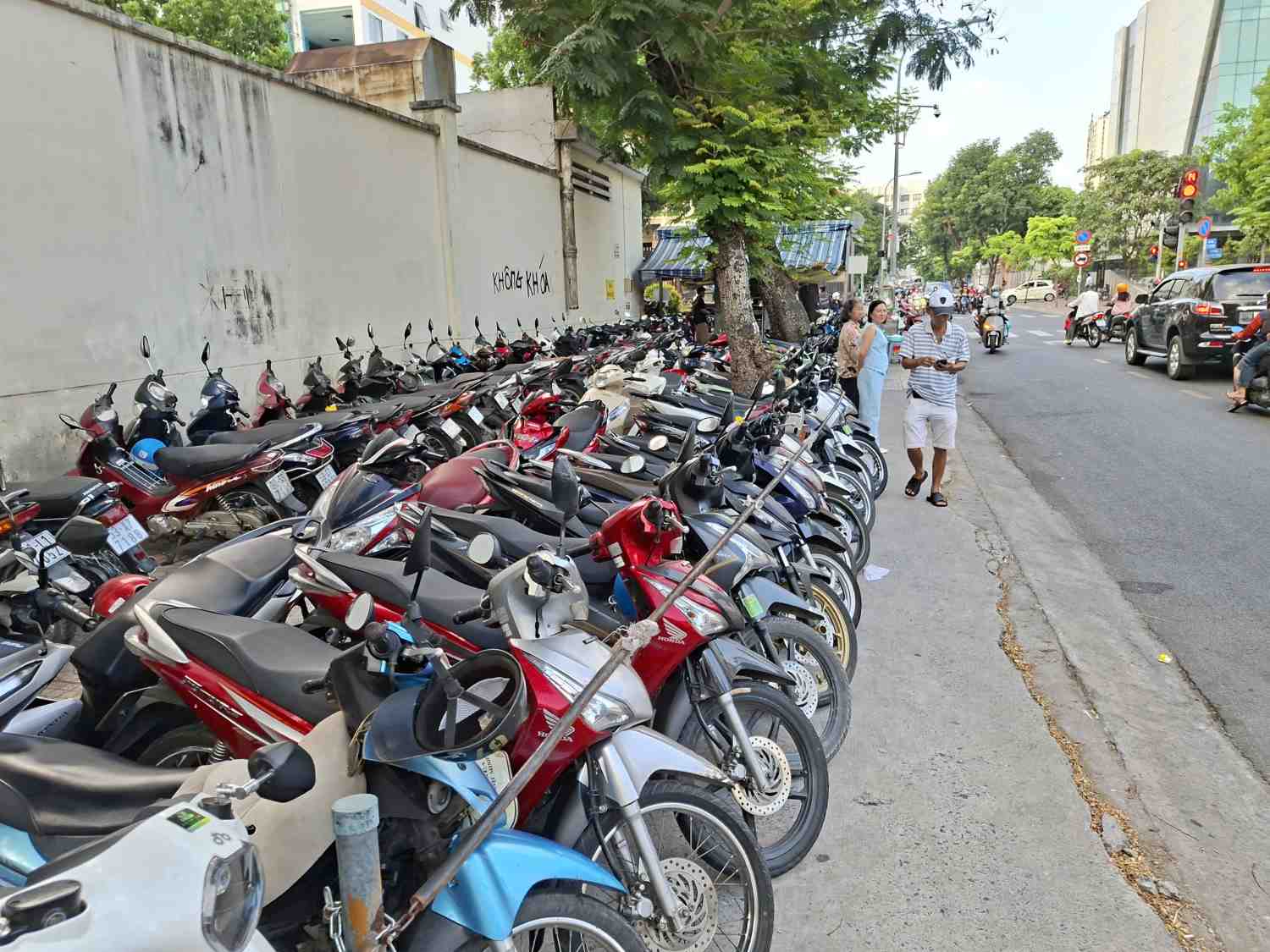
Over the past time, functional forces in Ho Chi Minh City have maintained inspection and handling of urban order violations throughout the area. According to the Ho Chi Minh City Police, from February 6 to May 18, functional forces have fined more than 33,000 cases of urban order violations with a total amount of nearly 29 billion VND; dismantled more than 2,200 encroaching signboards and advertisements and handled 408 unlicensed parking lots.
Ho Chi Minh City Police said they will coordinate with departments and branches to review roads with wide sidewalks to advise on the implementation of specific models such as food streets, night economy streets with clear planning, separating areas for pedestrians, businesses and traffic.
According to this orientation, the city will stipulate standards for stalls and vending carts; requirements for fire prevention and fighting, environmental sanitation and escape routes to ensure urban aesthetics and safety while still creating conditions for people to legally earn a living.
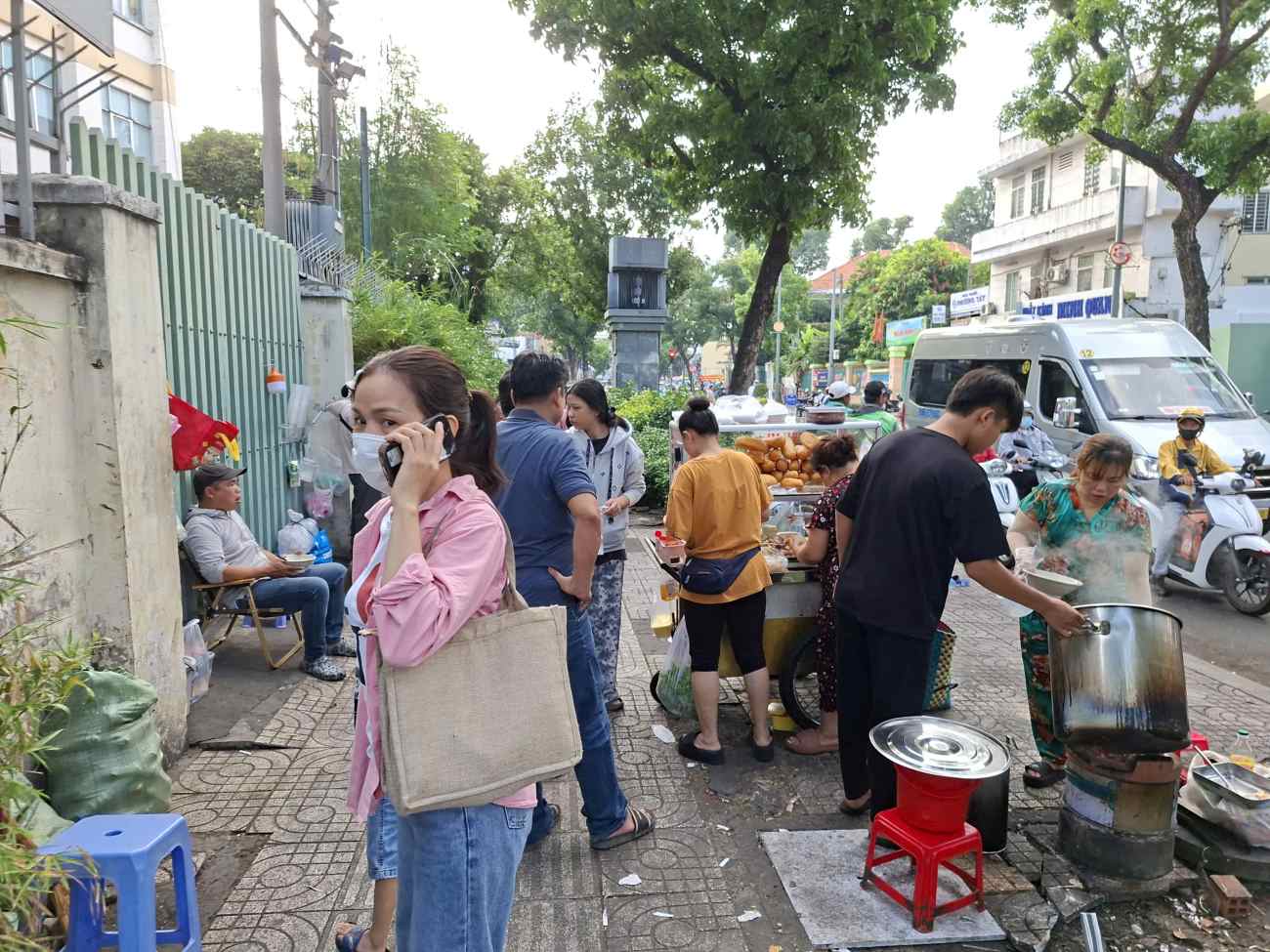
The Ho Chi Minh City Department of Construction said that after the merger, the demand for temporary use of roadways and sidewalks for business and production increased sharply, and the number of applications for licensing increased by more than 200% compared to before.
Vice Chairman of Ho Chi Minh City People's Committee Bui Xuan Cuong said that in the coming time, Ho Chi Minh City may study and apply new regulations of the Law on Construction, the Law on Road Traffic Order and Safety and the Law on Special Urban Areas to be more proactive in managing and exploiting roadways and sidewalks in accordance with the reality of special urban areas.
The Ho Chi Minh City Department of Construction recently proposed to deploy software to license and collect fees for temporary use of roads and sidewalks throughout the area to reduce administrative procedures and increase management efficiency.
The system is expected to digitize the entire process from receiving dossiers, processing, licensing to collecting fees; and integrate digital maps, electronic dossier management, statistics and centralized operation.
Leaders of the Ho Chi Minh City People's Committee requested the deployment of sidewalk usage permit software right at the beginning of June 2026 to help people reduce time and costs of carrying out procedures and gradually build a more transparent and modern sidewalk management model.