
On a cold morning, on the ancient Shan Tuyet tea hill in Ban Lien commune (Lao Cai province), Mr. Vang A Pao, a H'Mong person, quickly picks young tea buds. For nearly 10 years, tea trees have become the main source of livelihood for his family.
In the past, we did it piecemeal, selling cheaply. Now participating in the linkage group, making clean tea, with a subsidy cooperative, I am very reassured. With stable jobs, I am even more determined to stick to the land, stick to the village," Mr. Pao said.
In many highland communes of Lao Cai, ethnic minorities are changing their production thinking, shifting from self-sufficiency to commodity economy. Green tea hills, cinnamon forests, and medicinal forests not only bring income but also help people stay attached to the border for a long time.
Not only on the fields, the spirit of labor emulation also spreads strongly at border projects and factories. At Nam Na 2 Hydropower Plant (Lai Chau province), Mr. Nguyen Van Hoa, an operating worker, is used to long shifts between mountains and forests.
Working in border areas is more difficult, but the brothers clearly define their responsibilities. Safe labor and effective operation are the most practical achievements to celebrate the success of the 14th Party Congress," Mr. Hoa said.
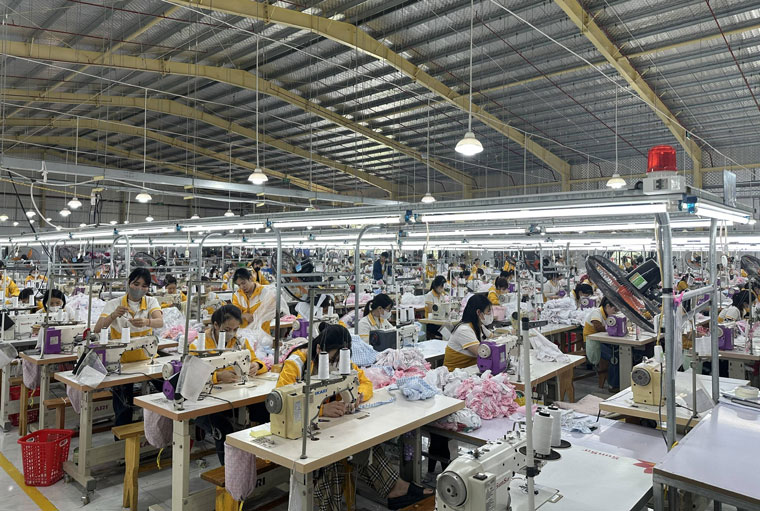
At Mai Son Industrial Park (Son La province), Ms. Lo Thi Mai, a Thai person, is working in an export agricultural product processing factory. From a non-professional agricultural worker, she was trained and had a stable job with enough income to raise her children to study.
With factories in the countryside, workers do not have to go far. I hope the upcoming Party Congress will have more policies for businesses to invest in the highlands," Ms. Mai expressed.
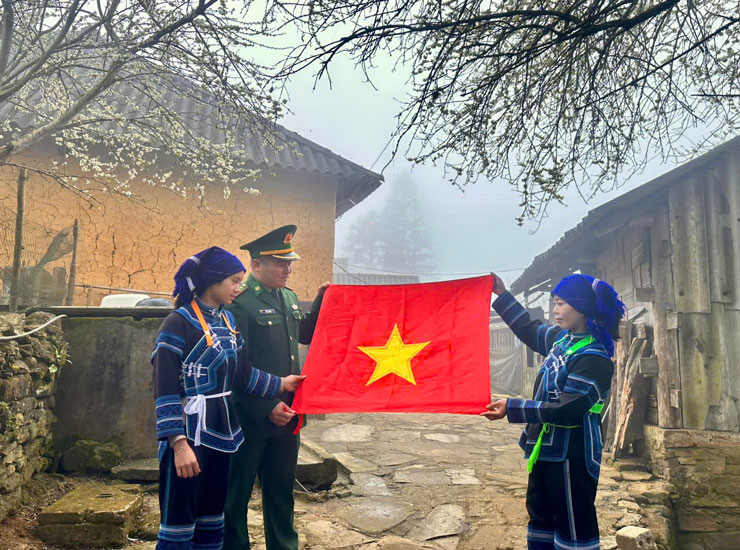
Or in Sin Thau commune (Dien Bien province), bordering three countries Vietnam - Laos - China, Mr. Ly A Chu, a Ha Nhi village elder, still regularly participates in the self-management team of borders and markers.
Working on the hills during the day, patrolling with soldiers at night. If there is land left, if the village is left, we can still do business," Mr. Chu said simply.
For people in border areas, production labor is closely linked to the responsibility of keeping land, keeping forests, and keeping peace in villages. Concrete roads and civil works built from the hands of workers have contributed to changing the face of the border.
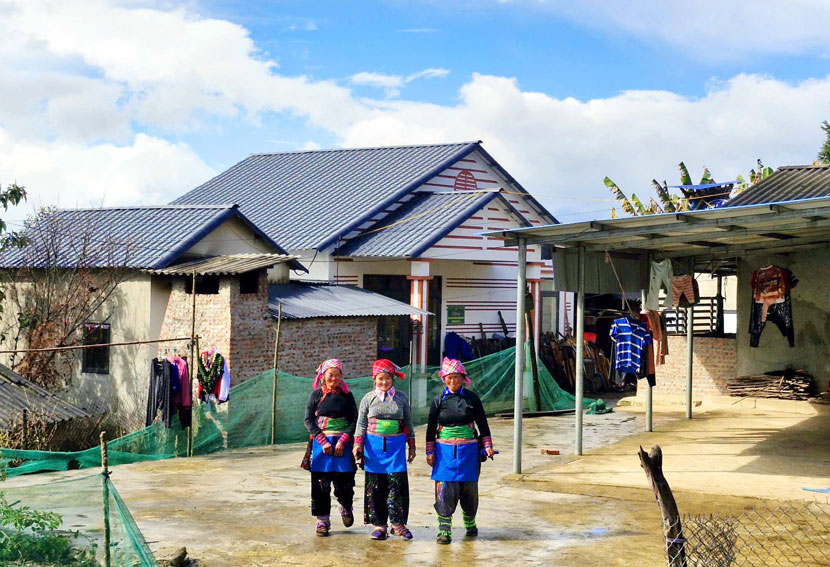
Mr. Ly Gio Luy, 70 years old, former Secretary of the Party Committee, Chairman of the People's Committee of Y Ty commune, Lao Cai province shared: "Previously, the commune's infrastructure was very difficult, but now it has been synchronously invested in electricity, roads, schools, and stations. Ethnic minorities are supported in removing temporary houses, everyone is enthusiastically working and producing, and life is increasingly prosperous.
I believe that the 14th Party Congress will continue to have a special mechanism to help people in mountainous and border areas reduce poverty sustainably, be attached to their homeland, and build a peaceful and beautiful border land.


