
"Conserving the forest is saving our lives and our children and grandchildren"
On the dirt road leading to Nam Luc 2 village (Bac Ha - Lao Cai), Mr. Lu Seo Pao - the leader of the shock team, quickly walked along the mountainside, observing each forest after the dry days. The flashlight, walkie-talkie and mini fire extinguisher are always carried by the papo as indispensable items. He said that since joining the shock team, he seems to be more attached to the forest than to his family's corn and cardamom fields.
"In the past, forest fires occurred frequently. One year, the fire spread to the old forest, burning down more than ten hectares. When they heard the villagers shouting and calling the forest rangers, it took them an hour to get there. Now, our people proactively see the fire and immediately rush in to put out it. Preserving the forest is not only for the State, but also for our own lives and those of our children and grandchildren, Mr. Pao shared.
Nam Luc 2's shock team was established in 2020, initially with only 5 people, mainly healthy young men, knowledgeable about the terrain and ready to operate day and night. To date, the group has 11 members. Each person was properly trained in forest fire identification skills, using a ventilator, excavator, blocking the fire area and coordinating with forest rangers when there was an incident.
Not only patrolling at night, the shock team also directly mobilized each H'Mong and Dao ethnic household not to bring fire into the forest, not to burn incense on a day with strong winds. Village activities all mention forests and community responsibility. A person who violates the regulation will be reminded in public, pledging not to repeat the offense.
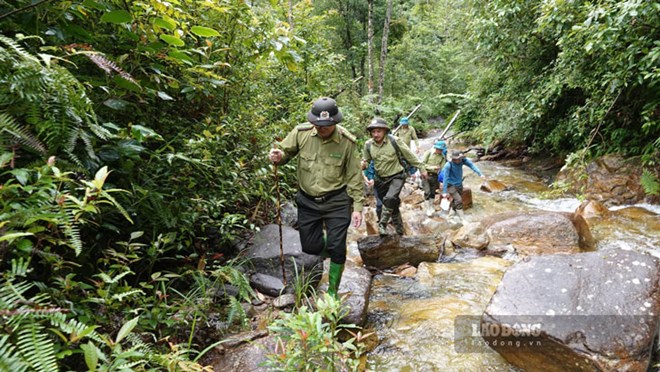
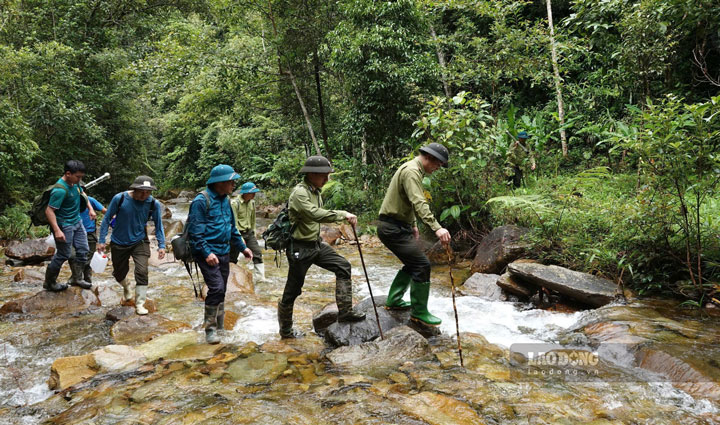
From that change in awareness, people increasingly consider forest protection as house protection. The last major forest fire in Nam Luc commune occurred in 2019. For the past 6 years, the locality has not had any more serious fires - a result with a clear mark of the volunteer shock force in the highlands.
On duty 24/7 to prevent forest encroachment
Without salary or fixed allowances, the activities of shock troops mainly rely on the voluntareness and sense of responsibility of the people for the forest. However, this model is most durable in the most difficult places.
In Si Ma Cai, 13 villages and hamlets regularly maintain shock troops with more than 150 members. In the early winter days, the village chief Tan Lao Lo led us down the slope to the border protection forest area.
She said that in the past, the forest in Nan San was a "hot spot" for illegal exploitation. People in the village often discovered it but did not dare to stop it for fear of revenge. When the shock team was established, the members went into groups, with people on duty 24/7, and the situation of forest encroachment immediately decreased significantly.
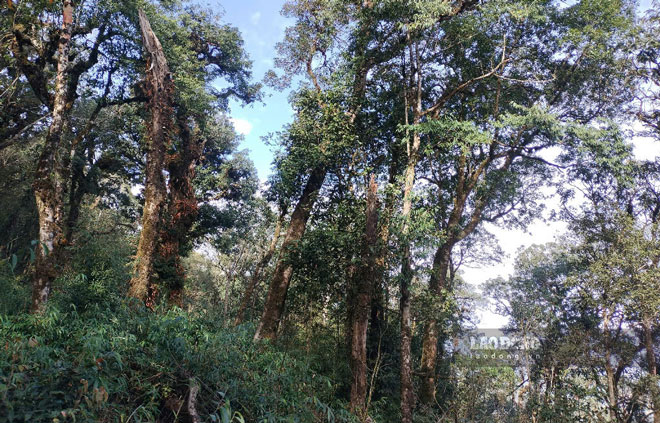
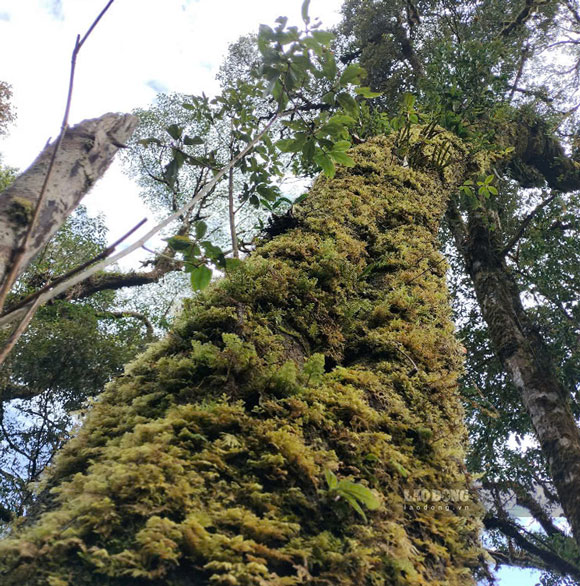
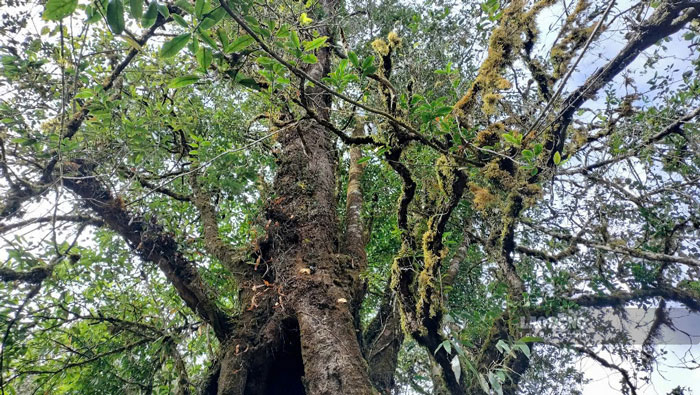
"Now, just hearing the unusual sound of the locomotive in the forest helps us run away and report to the forest rangers. Since the tightening of such regulations, no illegal mining has been successful. People are also afraid of being reminded and criticized by the community," said Ms. Lo.
In Mu Cang Chai area, there are over 103 shock troops with nearly 1,000 members of the shock team. These teams operate according to the "four on-site" principle (on-site forces, on-site command, on-site vehicles and on-site logistics). During each dry season, the teams are consolidated and assigned specific forest routes and households to take charge of.
Mr. Tran Xuan Duong - Head of the Forest Protection Department of Mu Cang Chai area said: Thanks to the members of the shock team having a firm grasp of the area, when a fire occurs, they are always the first to warn the people, local Party committees, authorities, forest owners and forest rangers. Handling work was carried out promptly, limiting the spread of fires, especially in border areas. Many fires were detected early and extinguished thanks to their regular patrolling activities.
According to the report of Lao Cai Forest Protection Department, in the period of 2021 - 2024, the whole province recorded a decrease of 45% in the number of forest fires compared to 5 years ago. In mountainous communes such as Nam Luc, N San, Pa Cheo, Thanh Kim, Sa Pa... the number of forest fires has decreased by 55 - 60%. The forest coverage of the whole province is currently over 58%, higher than the national average.
In Sa Pa, there have been no major fires in the past two years, nor have there been any illegal cremation incidents that pose a risk of spreading the fire. People are used to reporting in advance when burning the ground cover, there are shock teams to monitor and guide how to keep it safe. Thanks to that, the environment has improved significantly. The domestic water source for 160 households is stable throughout the dry season - something rarely seen before.
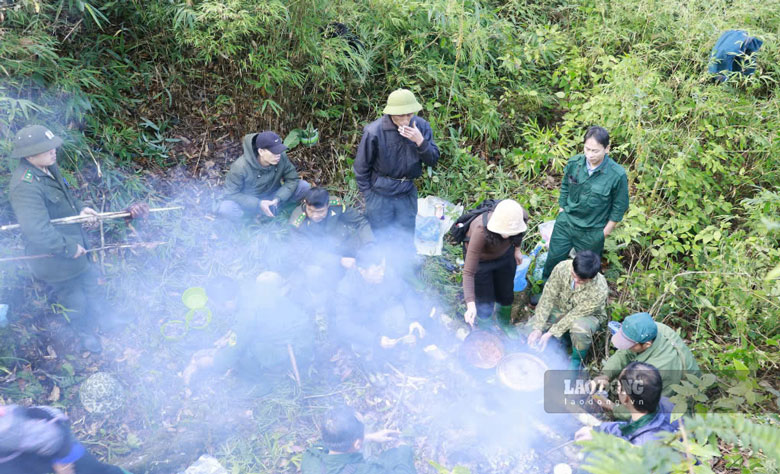
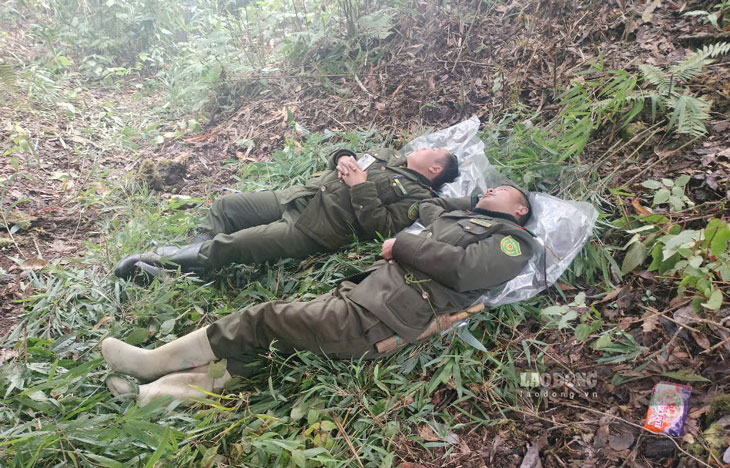
"There are forests where if the fire spreads for just 30 minutes, it could take dozens of hectares. However, thanks to the support of the shock team, small fires were handled very quickly. The more important thing is that people's awareness has always been different, considering forests as the property of the community, not just anyone's," shared the leader of the Lao Cai Forest Protection Department.
Green leaf for the environment
Not only saving forests from the risk of fire, the shock team model also contributes to saving livelihoods for people in poor areas. In many communes, regenerated forests have created a favorable environment for the development of eco-tourism and community tourism. Trekking tourists increasingly come to villages such as Thanh Kim, Ta Phin, Sa Pa to explore pristine nature and cool streams.
Young people in the shock team in many places became non-professional tour guides, taking visitors to the forest, telling stories about the customs of the H'Mong and Dao people, showing visitors how to recognize medicinal plants and how to make terraced fields. Thanks to that, they have extra-curricular income.
In Ta Phin village, Ms. Ly May Chao's family opened a small homestay after the road to the forest was cleared and the landscape was more beautiful. "The day before, the forest burned down, the stream ran aground, and no visitors came. Now that the forest is green again, the environment is clean, tourists in Sa Pa are starting to choose their village to experience. Every year, my family earns an additional 60 - 70 million VND from homestays and selling agricultural products," Ms. Chao shared.
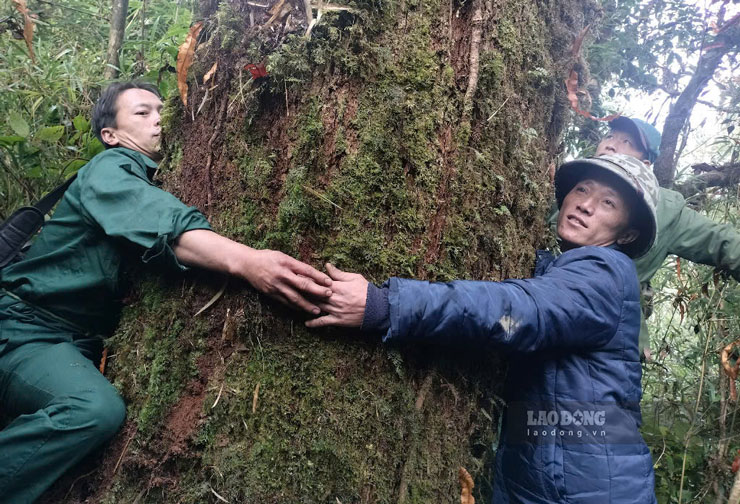
Households participating in the shock team also benefit from the policy of paying for forest environmental services. Each hectare of forest that is well preserved brings a small, but steady source of income, helping people have more motivation to continue to stick with the forest.
The good news in many mountainous areas is that forest protection is gradually becoming a habit, a new cultural feature in the community. In Ta Phin village, every festival of the Red Dao people, the village chief always reminds the people to enjoy the festival but must keep the forest clean, not release garbage, and not burn fire haphazardly. Students are taken to the forest by teachers once a month to clean up trash, learn about the ecosystem and listen to stories about environmental protection.
Many villages have also established self-management groups for waste and collected plastic waste around the forest routes. The change in environmental awareness spreads from adults to children, from village activities to village meetings.
The shock team has also become an important force in preventing illegal logging. Just seeing a strange motorbike running into the forest or hearing an unusual wind, the members immediately checked and reported it to the authorities. This quick response helps to minimize violations.
Amidst the mounting difficulties of the Lao Cai highlands - where life is still lacking, the roads are dangerous, and the risk of forest fires is always lurking - volunteer shock troops have become a green shield for the environment.
They are not only putting out the fire to protect the forest, but are also preserving the water resources, climate and livelihoods of the community. From the rough hands of farmers in poor areas, forests are being revived, bringing hope for a more sustainable development future for the highlands.


