
On July 31, the Delegation of National Assembly Deputies of Quang Ninh province issued Official Dispatch No. 86/ĐĐBQH to the Chairman of the National Assembly, requesting consideration of supplementing the expressway connecting from Hai Phong - Ha Long expressway to Ring Road 5 - Hanoi Capital Region into the Road Network Plan for the period 2021-2030, vision to 2050.
According to the proposal, the expressway is about 55km long. The starting point is at Ha Long Xanh intersection, Km6+700 on the Hai Phong - Ha Long - Mong Cai expressway, belonging to Tuan Chau ward, Quang Ninh province.
The end point of the route connects to Ring Road 5 - Hanoi Capital Region in Tran Nhan Tong ward, Hai Phong city.
The road is expected to be invested according to 6-lane expressway standards, design speed from 100-120km/h. At the end point of the route, an intersection will be arranged connecting to Ring Road 5 - Hanoi Capital Region.
In parallel with the proposed expressway, Quang Ninh province is deploying a 4-lane service road system on both sides and is expected to be completed in 2026.
According to the document of the Delegation of National Assembly Deputies of Quang Ninh province, Quang Ninh province has basically completed site clearance work within the proposed route.
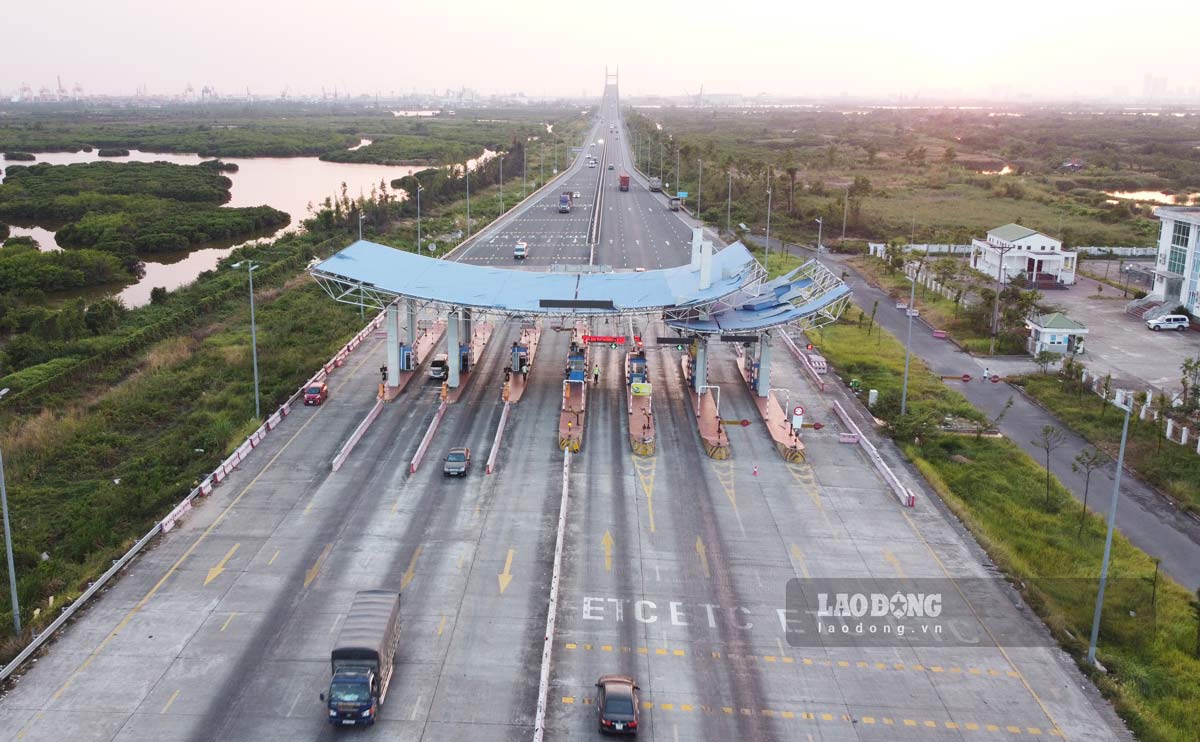
The province allocates capital from the local budget to implement investment, ensuring the effectiveness of the national transport infrastructure system, creating new development momentum for Quang Ninh province and the Northern region.
The document of the Delegation of National Assembly Deputies of Quang Ninh province clearly states that the addition of the expressway not only completes the national transport network but also opens up a new development corridor between Quang Ninh, Hai Phong and localities in the Capital Region.
The route is expected to strengthen regional linkages, improve transport capacity, promote industrial, logistics, tourism and service development; effectively exploit the advantages of strategic infrastructure projects such as seaports, airports, economic zones and cultural heritage sites, scenic spots of the region. Thereby contributing to ensuring national defense, security and creating sustainable development space for the Northeast region in the new period.


